
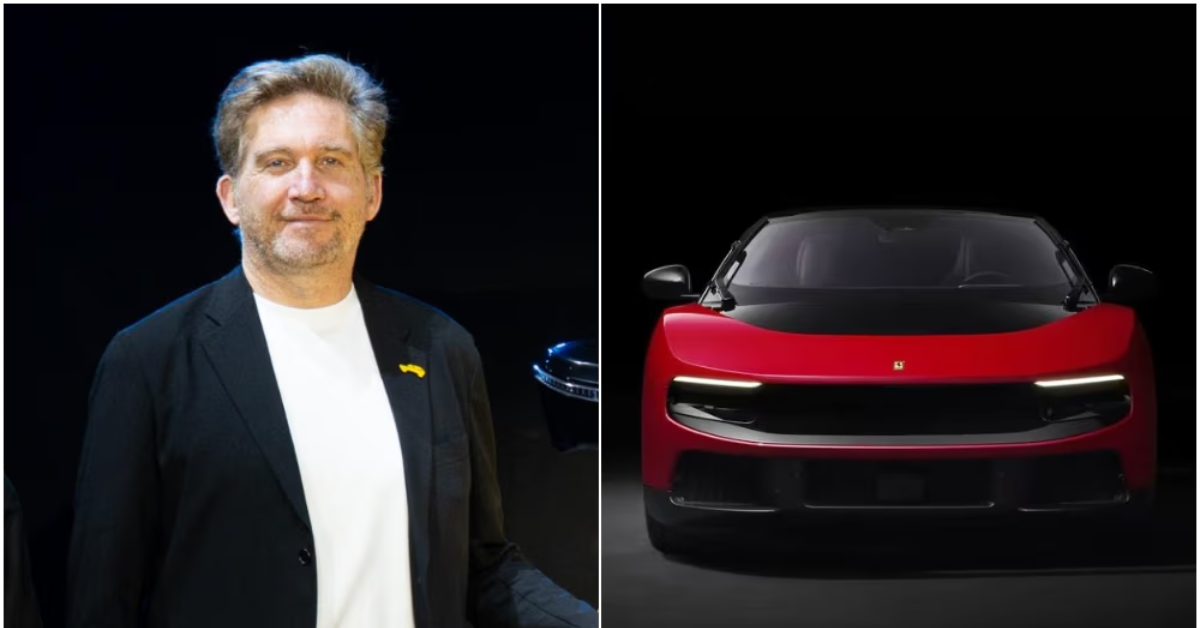
The automotive Tata industry is currently experiencing one of the most significant transformations in its history. Electric vehicles are rapidly replacing traditional combustion-engine cars, introducing new technologies, new manufacturing approaches, and entirely new design possibilities.
While electrification has opened doors to innovation, it has also created an interesting challenge for designers around the world. As manufacturers focus heavily on aerodynamics, efficiency, battery packaging, and futuristic styling, many modern electric vehicles are beginning to look surprisingly similar.
Smooth body surfaces, closed grilles, connected LED light bars, flush door handles, and coupe-inspired silhouettes have become common design themes across the industry. As a result, maintaining a unique brand identity has become increasingly difficult.
This challenge has sparked discussions among automotive design leaders globally. The debate revolves around a crucial question: How can manufacturers create electric vehicles that remain distinctive while still meeting efficiency and performance requirements?
The answer lies in balancing innovation with individuality.
Let’s explore why unique automotive design matters, how the EV revolution is changing styling trends, and why avoiding “sameness” could become one of the most important factors in future vehicle success.
The Evolution of Automotive Design
For over a century, vehicle design has played a crucial role in shaping consumer preferences.
People don’t buy cars solely for transportation.
They also purchase vehicles because of:
- Style
- Identity
- Emotional appeal
- Brand loyalty
- Personal expression
Historically, every major automotive brand developed a distinctive visual identity.
Luxury manufacturers emphasized elegance.
Sports car brands focused on aggression and performance.
Family-oriented vehicles prioritized practicality.
These unique characteristics helped buyers instantly recognize a vehicle from a distance.
The Rise of Electric Vehicles
The transition toward electric mobility has fundamentally changed how vehicles are designed.
Traditional internal combustion vehicles require:
- Large engine bays
- Cooling systems
- Exhaust systems
- Fuel tanks
- Mechanical transmissions
Electric vehicles eliminate many of these components.
This creates new opportunities for designers but also introduces new constraints.
Benefits of EV Platforms
Electric vehicle architectures allow:
- Greater interior space
- Flexible cabin layouts
- Improved aerodynamics
- New exterior proportions
These advantages have encouraged manufacturers to rethink vehicle design from the ground up.
Why Many EVs Look Similar
One criticism frequently directed at modern EVs is that they often share similar styling characteristics.
There are several reasons for this trend.
Aerodynamic Efficiency
Range remains one of the most important factors in EV development.
Reducing air resistance directly improves efficiency.
To achieve this, designers often adopt:
- Smooth body surfaces
- Rounded shapes
- Integrated lighting
- Flush handles
While effective, these solutions can make vehicles appear visually similar.
Battery Packaging Requirements
Battery placement influences vehicle proportions.
Many EVs feature:
- Long wheelbases
- Short overhangs
- Flat floors
- Elevated body structures
These common characteristics contribute to a uniform appearance across the segment.
Technology-Driven Design
Manufacturers increasingly use:
- Full-width light bars
- Minimalist front ends
- Digital-inspired styling
As these trends become widespread, differentiation becomes more challenging.
Why Distinctive Design Matters
In a highly competitive marketplace, design often becomes a deciding factor for consumers.
Emotional Connection
People form emotional relationships with vehicles.
A distinctive design can create:
- Pride of ownership
- Brand attachment
- Stronger customer loyalty
Without emotional appeal, cars risk becoming mere appliances.
Brand Recognition
Unique styling helps consumers immediately identify a vehicle’s manufacturer.
Strong visual identity strengthens:
- Marketing effectiveness
- Brand value
- Customer trust
Competitive Advantage
When multiple vehicles offer similar performance and technology, design often becomes the key differentiator.
This is especially true in the electric vehicle market.
The Challenge of Balancing Individuality and Efficiency
Creating unique designs is not as simple as adding dramatic styling elements.
Automotive designers must balance numerous priorities.
Efficiency Requirements
Electric vehicles require excellent aerodynamic performance.
Designers must ensure that visual creativity does not compromise:
- Range
- Efficiency
- Performance
Manufacturing Constraints
Modern vehicles must also meet:
- Cost targets
- Production requirements
- Safety regulations
These factors influence design decisions significantly.
Customer Expectations
Consumers increasingly expect:
- Futuristic styling
- Premium appearance
- Advanced technology integration
Meeting these expectations while remaining unique is a complex task.
Design as a Brand Signature
The most successful manufacturers create design languages that remain recognizable across multiple models.
Consistency Matters
A strong design language helps unify an entire lineup.
Benefits include:
- Improved brand identity
- Easier product recognition
- Greater customer familiarity
Evolution Rather Than Revolution
Successful brands often evolve their designs gradually.
This allows innovation without losing identity.
Examples of design consistency may include:
- Signature lighting elements
- Distinctive proportions
- Unique surface treatments
These features help create lasting visual recognition.
The Role of Innovation in Future EV Design
Electric vehicles provide opportunities that were previously impossible.
Designers can now explore new concepts and layouts.
Flexible Architecture
EV platforms enable:
- Larger cabins
- Shorter front sections
- Improved packaging efficiency
This flexibility encourages experimentation.
Advanced Lighting Technology
Lighting has become a powerful design tool.
Manufacturers increasingly use:
- Dynamic LED signatures
- Animated lighting effects
- Interactive displays
These features create distinctive visual identities.
Digital Integration
Future vehicles may integrate design and technology more closely than ever before.
This includes:
- Smart surfaces
- Interactive interiors
- Personalized experiences
Such innovations can help brands stand apart.
Consumer Preferences Are Changing
Modern buyers evaluate vehicles differently than previous generations.
While performance remains important, customers increasingly prioritize:
- Design
- Technology
- Sustainability
- Connectivity
As a result, aesthetics have become even more critical.
Younger Buyers Want Individuality
Many younger consumers seek products that reflect their personalities.
Unique vehicle design supports this desire for self-expression.
Social Media Influence
Visually striking vehicles often receive greater attention online.
Distinctive design can generate:
- Organic marketing
- Increased visibility
- Stronger brand engagement
This makes originality even more valuable.
The Importance of Design in Premium Segments
Luxury and premium brands face particularly high expectations.
Customers spending significant amounts on vehicles expect exclusivity.
Standing Out Matters
Premium buyers often seek:
- Unique styling
- Exclusivity
- Prestige
Design becomes an important part of the ownership experience.
Beyond Technology
While advanced technology is important, design often creates the first impression.
A memorable appearance can influence purchasing decisions long before buyers experience performance or features.
Future Trends in Automotive Design
The next generation of vehicles is likely to feature several emerging trends.
Personalized Styling
Manufacturers may increasingly offer:
- Custom lighting signatures
- Configurable design elements
- Individualized aesthetics
Sustainable Materials
Eco-friendly materials will become more common in both interiors and exteriors.
AI-Enhanced Design
Artificial intelligence may assist designers in developing more efficient and innovative vehicle shapes.
Human-Centered Experiences
Future design will likely focus on improving how people interact with their vehicles.
This includes both physical and digital environments.
Why Originality Will Define Future Success
As technology becomes standardized across the industry, differentiation will become increasingly difficult.
Most vehicles may eventually offer:
- Similar battery ranges
- Comparable charging speeds
- Advanced connectivity
- Autonomous capabilities
In such a market, design could become the ultimate competitive advantage.
Vehicles that establish strong emotional connections with customers are more likely to succeed.
This makes originality not merely desirable but essential.
Lessons for the Automotive Industry
Manufacturers can learn several important lessons from current design debates.
Innovation Should Be Meaningful
Unique styling should serve a purpose rather than exist purely for attention.
Brand Identity Must Be Protected
Companies should avoid chasing trends at the expense of their own character.
Efficiency and Creativity Can Coexist
The best designs successfully balance performance requirements with visual distinction.
Customers Value Authenticity
Consumers often appreciate designs that feel genuine and consistent with a brand’s heritage.
Final Verdict
The electric vehicle revolution is transforming not only how cars are powered but also how they are designed. While efficiency, aerodynamics, and technological integration have become critical priorities, maintaining a unique visual identity remains equally important.
As more manufacturers enter the EV space, the risk of design uniformity continues to grow. However, the brands that successfully combine innovation with individuality will likely enjoy stronger customer loyalty, greater brand recognition, and long-term success.
The future of automotive design will not be defined solely by efficiency or technology. Instead, it will belong to manufacturers capable of creating vehicles that are instantly recognizable, emotionally engaging, and unmistakably original.
In an era where many vehicles risk looking alike, standing out may prove to be the most valuable innovation of all.