
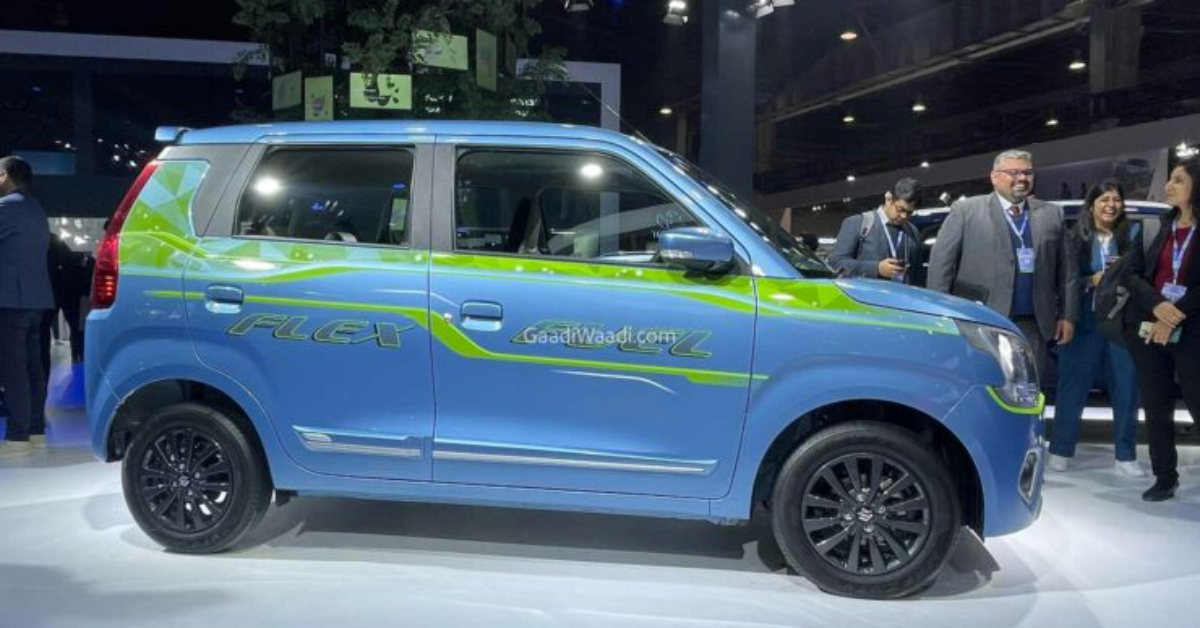
Maruti Suzuki is reportedly preparing to launch a new flex fuel vehicle in India on June 5, and strong speculation suggests the upcoming model could be the Wagon R E100. The move signals a major step toward alternative fuel technology and greener mobility solutions in the Indian automobile market.
As fuel prices continue rising and environmental concerns become increasingly important, automobile manufacturers are actively exploring cleaner and more sustainable fuel options. Flex fuel vehicles have emerged as one of the most promising alternatives because they can operate using a mixture of petrol and ethanol-based fuels.
Maruti Suzuki, India’s largest car manufacturer, now appears ready to enter this segment aggressively. The expected Wagon R E100 could become one of the first mass-market flex fuel hatchbacks in India designed for affordable and environmentally friendly mobility.
The launch could play a crucial role in accelerating India’s transition toward cleaner automotive technologies while still maintaining affordability for middle-class buyers.
Here’s everything expected from Maruti Suzuki’s upcoming flex fuel vehicle and why it could become a major development for the Indian auto industry.
What Is a Flex Fuel Vehicle?
A flex fuel vehicle is specially designed to operate using multiple fuel blends.
These vehicles can typically run on:
- Petrol
- Ethanol-blended fuel
- High ethanol fuel mixtures like E100
The upcoming Maruti Suzuki model is expected to support ethanol-rich fuel compatibility.
Ethanol is a biofuel usually produced from agricultural sources such as:
- Sugarcane
- Corn
- Biomass materials
Flex fuel technology allows vehicles to switch between petrol and ethanol blends without major driving differences.
This technology is already used successfully in several international markets.
Wagon R E100 Could Become India’s Affordable Green Car
The Wagon R has long been one of India’s most popular family hatchbacks because of:
- Affordable pricing
- Spacious cabin
- Low running costs
- Fuel efficiency
- Easy maintenance
Using the Wagon R platform for flex fuel technology makes strategic sense for Maruti Suzuki.
The company may position the Wagon R E100 as:
- An affordable eco-friendly hatchback
- A practical urban family car
- A fuel-saving mobility solution
- A greener alternative to regular petrol cars
This could help flex fuel technology reach mass-market buyers instead of remaining limited to premium segments.
Why Flex Fuel Technology Matters for India
India has been actively promoting ethanol blending to reduce dependence on imported fuel and lower carbon emissions.
Flex fuel vehicles offer several potential advantages including:
- Reduced fuel import dependency
- Lower emissions
- Support for agricultural industries
- Cleaner combustion
- Potential fuel cost savings
The Indian government has already increased focus on ethanol-blended fuels in recent years.
Automakers are now gradually adapting their products to support this transition.
Expected Engine and Performance
The Wagon R E100 is expected to use a modified petrol engine capable of handling higher ethanol concentrations.
Possible highlights may include:
- Ethanol-compatible fuel system
- Updated engine tuning
- Improved combustion technology
- Optimized ECU calibration
Performance is expected to remain practical for daily urban usage.
The vehicle may continue focusing on:
- Smooth city driving
- Fuel efficiency
- Affordable maintenance
- Comfortable commuting
Maruti Suzuki is unlikely to compromise the Wagon R’s easy-driving nature.
Expected Mileage and Fuel Efficiency
Fuel efficiency remains one of the biggest priorities for Indian buyers.
The flex fuel Wagon R may offer competitive mileage figures depending on ethanol blend usage.
Possible advantages may include:
- Lower running costs with ethanol
- Improved combustion efficiency
- Reduced long-term fuel expenses
Actual mileage could vary depending on:
- Fuel blend percentage
- Driving conditions
- Engine calibration
Maruti Suzuki may focus heavily on balancing performance and efficiency.
Eco-Friendly Benefits Could Attract Buyers
Environmental awareness is increasing rapidly among Indian consumers.
Flex fuel vehicles may offer lower emissions compared to standard petrol cars.
Possible environmental advantages include:
- Reduced carbon footprint
- Cleaner fuel combustion
- Lower greenhouse gas emissions
- Better sustainability support
Ethanol is considered a renewable fuel source, making it an important part of future sustainable mobility strategies.
The Wagon R E100 could become highly attractive for eco-conscious buyers.
Exterior Design Likely to Remain Familiar
The Wagon R E100 may largely retain the familiar Wagon R design.
Possible visual updates could include:
- Flex fuel badging
- Minor grille revisions
- New color options
- Eco-themed design accents
Maruti Suzuki may prioritize keeping production costs affordable rather than making major cosmetic changes.
The practical tall-boy design is expected to continue offering:
- Spacious headroom
- Easy entry and exit
- Urban practicality
The Wagon R’s strong practicality remains one of its biggest strengths.
Interior Features Expected
The upcoming flex fuel Wagon R may continue offering practical and technology-focused interiors.
Expected features may include:
- Touchscreen infotainment system
- Smartphone connectivity
- Steering-mounted controls
- Digital MID display
- Automatic climate control in higher variants
- Rear parking sensors
- Power windows
Maruti Suzuki may also introduce fuel-monitoring information related to ethanol usage.
The cabin is expected to remain spacious and family-friendly.
Safety Features Could Continue Improving
Modern buyers increasingly prioritize safety features.
Expected safety equipment may include:
- Dual airbags
- ABS with EBD
- Rear parking sensors
- Seatbelt reminders
- Electronic stability control in select variants
- Reverse parking camera
Maruti Suzuki has gradually improved safety standards across its newer models.
The flex fuel Wagon R may continue following updated safety norms.
Flex Fuel Could Reduce Fuel Import Dependency
India imports a significant portion of its crude oil requirements.
Flex fuel vehicles could help reduce this dependency by encouraging ethanol usage.
Possible national-level advantages include:
- Lower oil imports
- Stronger energy security
- Support for local agriculture
- Reduced foreign exchange burden
This is one reason why flex fuel technology is receiving increasing policy attention in India.
Automobile manufacturers are expected to play an important role in this transition.
Ethanol Industry Could Benefit Strongly
The expansion of flex fuel vehicles could significantly support India’s agricultural economy.
Increased ethanol demand may benefit:
- Sugarcane farmers
- Biofuel producers
- Rural industries
- Ethanol processing sectors
This creates broader economic benefits beyond the automobile industry itself.
Flex fuel technology may eventually become an important part of India’s long-term sustainability strategy.
Maruti Suzuki’s Green Mobility Strategy
Maruti Suzuki appears to be adopting a multi-pathway approach toward cleaner mobility.
The company is currently exploring:
- CNG vehicles
- Flex fuel technology
- Hybrid systems
- Electric vehicles
- Improved fuel efficiency solutions
Rather than depending entirely on EVs immediately, Maruti appears focused on offering multiple affordable alternatives.
This strategy may help the company adapt better to varying customer needs and infrastructure conditions.
Competition Could Increase in Alternative Fuel Segment
The flex fuel vehicle segment may become increasingly competitive in the coming years.
Several manufacturers are expected to explore:
- Ethanol-compatible engines
- Hybrid technologies
- Biofuel solutions
- Sustainable mobility platforms
Maruti Suzuki’s early entry into affordable flex fuel cars could provide a strong first-mover advantage.
The company’s massive service network may further support widespread adoption.
Why the Wagon R Platform Makes Sense
The Wagon R remains one of India’s most trusted and practical hatchbacks.
Its strengths include:
- Affordable ownership
- Spacious cabin
- Urban practicality
- Low maintenance costs
- Strong resale value
Introducing flex fuel technology on such a popular platform could accelerate public acceptance.
Mass-market buyers are more likely to trust new technology when offered in familiar vehicles.
Expected Pricing in India
The Wagon R E100 is expected to remain competitively priced.
Possible pricing may range between:
₹6 lakh to ₹8 lakh depending on variant and feature levels.
Maruti Suzuki may attempt to keep the price premium over standard petrol variants minimal.
Affordable pricing will likely become critical for wider adoption of flex fuel technology.
Launch on June 5 Could Mark a Major Milestone
The expected June 5 launch may become an important milestone for India’s alternative fuel vehicle market.
The launch could highlight:
- India’s ethanol ambitions
- Maruti’s sustainability plans
- Affordable green mobility solutions
- New-generation fuel technologies
The company may also showcase future plans for expanding flex fuel compatibility across additional models.
Future of Flex Fuel Vehicles in India
Flex fuel vehicles could become increasingly common over the next decade as India pushes for cleaner transportation.
Key factors supporting growth include:
Rising Fuel Prices
Consumers are actively seeking lower running costs.
Government Ethanol Push
Ethanol blending programs continue expanding.
Environmental Concerns
Cleaner mobility solutions are gaining importance.
Affordable Transition Technology
Flex fuel provides an easier transition compared to full EV adoption.
This technology could become especially important for mass-market vehicles.
Final Verdict
Maruti Suzuki’s upcoming flex fuel vehicle, likely the Wagon R E100, could become a significant step toward affordable and sustainable mobility in India. By combining a trusted hatchback platform with ethanol-compatible technology, Maruti appears ready to introduce greener transportation without sacrificing practicality or affordability.
The expected launch reflects India’s growing focus on alternative fuels, reduced emissions, and lower fuel dependency. For buyers, the flex fuel Wagon R may offer a practical balance between fuel savings, environmental benefits, and daily usability.
If Maruti Suzuki successfully prices the vehicle competitively while ensuring reliability and easy ownership, the Wagon R E100 could play a major role in popularizing flex fuel technology across the Indian automobile market in the coming years.