
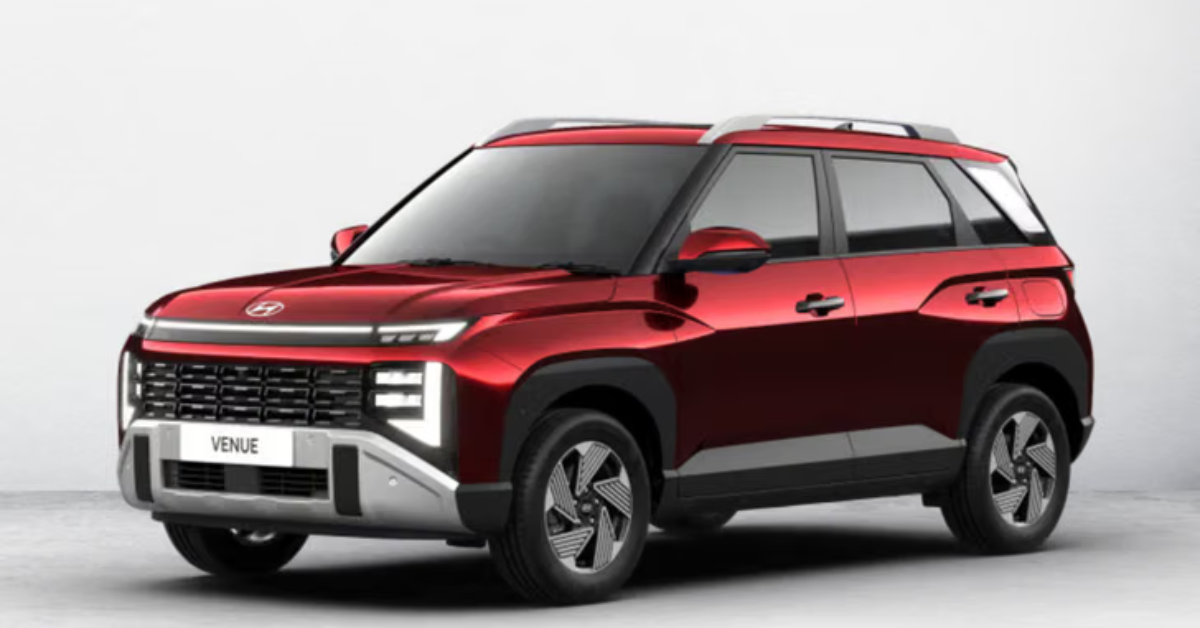
India’s automotive industry is entering a new era where speed, innovation, and technology have become critical factors for success. Consumer expectations are changing rapidly, competition is intensifying, and new technologies are emerging at an unprecedented pace. In this dynamic environment, automakers are under increasing pressure to bring new products to market faster than ever before.
Recognizing this shift, Maruti Suzuki is targeting a 25 percent reduction in product development timelines. This ambitious goal reflects the company’s commitment to enhancing innovation, improving responsiveness to market demands, and strengthening its position in one of the world’s most competitive automobile markets.
The move could have far-reaching implications not only for Maruti Suzuki but also for customers, suppliers, competitors, and the broader automotive ecosystem. Faster product development means quicker launches, more frequent updates, improved technology integration, and a greater ability to adapt to changing consumer preferences.
Let’s explore what this strategy means and why it could reshape the future of India’s automotive industry.
Understanding Product Development in the Automotive Industry
Developing a new vehicle is one of the most complex processes in manufacturing.
A modern automobile requires coordination between multiple departments, including:
- Design teams
- Engineering divisions
- Safety specialists
- Software developers
- Manufacturing experts
- Supply chain partners
Every vehicle must undergo extensive testing and validation before reaching customers.
Typical development activities include:
- Concept creation
- Design engineering
- Prototype development
- Performance testing
- Safety evaluation
- Manufacturing preparation
Traditionally, these processes can take several years.
Reducing development time while maintaining quality requires significant innovation and efficiency improvements.
Why Faster Development Matters Today
The automotive market is changing faster than ever.
Several trends are driving this transformation:
Rapid Technology Evolution
Consumers increasingly expect vehicles equipped with:
- Advanced infotainment systems
- Connected car technologies
- Smart safety features
- Artificial intelligence capabilities
- Electric mobility solutions
Technology that appears cutting-edge today may become standard within a few years.
Faster development allows manufacturers to stay ahead of these changes.
Changing Consumer Expectations
Modern customers want:
- Frequent model updates
- New design language
- Better features
- Improved efficiency
- Advanced safety technologies
Manufacturers must respond quickly to remain competitive.
Growing Competition
The Indian market now features strong competition across virtually every segment.
Companies constantly introduce:
- New products
- Updated technologies
- Innovative features
- Improved ownership experiences
Reducing development cycles allows automakers to react more effectively.
Maruti Suzuki’s Strategic Vision
Maruti Suzuki has long been recognized as one of India’s most influential automotive brands.
Its success has been built on:
- Reliability
- Affordability
- Fuel efficiency
- Wide service network
- Strong customer trust
However, the future automotive landscape demands more than traditional strengths.
The company is increasingly focusing on:
- Advanced technologies
- Smart mobility
- Electrification
- Digital transformation
- Innovation-driven growth
Accelerating product development aligns perfectly with these objectives.
The Benefits of a 25% Faster Development Cycle
Reducing development time by 25 percent can create significant advantages.
Faster Product Launches
One of the most obvious benefits is quicker market introduction.
This means:
- More frequent launches
- Faster response to customer demand
- Better alignment with market trends
Customers gain access to new technologies sooner.
Improved Competitiveness
In a highly competitive industry, timing is critical.
Faster development helps manufacturers:
- Enter emerging segments quickly
- Respond to competitors effectively
- Capitalize on market opportunities
This flexibility can strengthen long-term market position.
Technology as the Key Enabler
Achieving a 25 percent reduction in development timelines requires advanced tools and processes.
Digital Engineering
Modern digital engineering techniques allow manufacturers to:
- Simulate vehicle performance
- Conduct virtual testing
- Optimize designs rapidly
- Identify issues earlier
These capabilities significantly reduce development complexity.
Artificial Intelligence and Data Analytics
AI-powered systems can improve:
- Design efficiency
- Testing accuracy
- Manufacturing planning
- Product optimization
By analyzing large amounts of data, companies can make faster and more informed decisions.
Virtual Prototyping
Traditional prototype development is expensive and time-consuming.
Virtual prototyping enables engineers to:
- Test designs digitally
- Reduce physical prototype requirements
- Accelerate validation processes
This contributes substantially to shorter development cycles.
Impact on Future Vehicle Launches
Faster development could influence the way new vehicles are introduced.
More Frequent Updates
Consumers may benefit from:
- Regular feature enhancements
- Improved technology packages
- Updated designs
- Enhanced safety systems
Instead of waiting several years for major changes, customers could see more continuous improvements.
Quicker Adaptation to Trends
Market preferences can change rapidly.
Manufacturers that develop products faster can respond more effectively to:
- SUV demand
- Hybrid technology adoption
- Electric vehicle growth
- Connected mobility trends
This flexibility becomes increasingly valuable.
Supporting India’s EV Transition
The automotive industry is moving toward electrification.
Manufacturers are investing heavily in:
- Electric vehicles
- Battery technology
- Charging solutions
- Sustainable mobility
Faster development timelines could help accelerate this transition.
Faster EV Rollouts
Reducing development cycles may allow:
- Quicker introduction of EV models
- Faster battery technology integration
- Improved electric mobility solutions
This could support India’s long-term sustainability goals.
Greater Innovation
Shorter development periods create opportunities for:
- Rapid experimentation
- Technology improvements
- Enhanced customer feedback integration
These factors help drive innovation.
Strengthening Manufacturing Efficiency
Product development and manufacturing are closely connected.
Improved development processes often lead to:
- Better production planning
- Increased efficiency
- Reduced waste
- Faster plant readiness
These improvements can positively impact overall operations.
Supply Chain Coordination
Modern vehicle manufacturing relies on extensive supplier networks.
Faster development encourages:
- Better collaboration
- Improved communication
- Enhanced planning accuracy
This strengthens the entire automotive ecosystem.
Benefits for Customers
Ultimately, faster product development is designed to improve customer experience.
Access to New Technology
Consumers gain quicker access to:
- Advanced safety systems
- Improved infotainment
- Enhanced efficiency
- Modern connectivity features
This improves overall value.
Better Product Relevance
Vehicles can be designed more closely around current consumer needs.
This leads to:
- Higher satisfaction
- Improved usability
- Greater market appeal
Customers benefit from products that better reflect contemporary expectations.
Maintaining Quality While Increasing Speed
One common concern is whether faster development could affect quality.
However, modern automotive engineering emphasizes both speed and precision.
Advanced technologies help ensure:
- Rigorous testing
- Accurate simulations
- Improved validation
- Consistent quality standards
The objective is not simply to move faster but to move smarter.
Quality remains essential for long-term success.
The Role of Innovation Culture
Accelerating development requires more than technology.
It also depends on organizational culture.
Successful innovation often involves:
- Cross-functional collaboration
- Agile decision-making
- Continuous improvement
- Creative problem-solving
Companies that embrace these principles can achieve significant efficiency gains.
Industry-Wide Impact
Maruti Suzuki’s focus on faster development may influence the broader market.
Competitors may also increase investments in:
- Digital engineering
- AI-driven development
- Advanced manufacturing
- Product innovation
This could accelerate technological progress across the entire industry.
Consumers ultimately benefit from stronger competition and faster innovation.
Future Challenges
While the opportunities are significant, achieving a 25 percent reduction is not without challenges.
Potential obstacles include:
- Technology integration complexity
- Regulatory compliance requirements
- Supply chain coordination
- Software development demands
- Global market uncertainties
Successfully navigating these challenges will require strategic planning and sustained investment.
Why This Strategy Matters for the Future
The future automotive industry will be defined by speed, adaptability, and innovation.
Manufacturers that can quickly respond to:
- Emerging technologies
- Consumer preferences
- Sustainability goals
- Competitive pressures
will be best positioned for success.
Maruti Suzuki’s initiative reflects a broader transformation occurring throughout the global automotive sector.
The ability to develop vehicles faster may become one of the most important competitive advantages in the years ahead.
Final Verdict
Maruti Suzuki’s goal of reducing product development timelines by 25 percent represents a bold and forward-looking strategy. As automotive technology evolves and customer expectations continue to rise, faster development cycles will play a crucial role in determining market leadership.
By leveraging digital engineering, virtual testing, artificial intelligence, advanced manufacturing processes, and stronger collaboration across the value chain, the company aims to deliver vehicles more efficiently while maintaining high standards of quality and reliability.
For consumers, this could mean faster access to new technologies, more frequent vehicle updates, improved safety features, and a stronger pipeline of innovative products. For the broader automotive industry, it signals an increasing emphasis on agility, innovation, and rapid adaptation.
As India moves toward a future defined by smart mobility, electrification, and connected technologies, Maruti Suzuki’s accelerated development strategy could become a key driver of the next generation of automotive innovation.