
The Indian two-wheeler market is witnessing a major transformation as manufacturers explore alternative fuel technologies to reduce fuel costs and environmental impact. While electric scooters and motorcycles have gained significant attention over the last few years, flex-fuel technology is emerging as another practical solution for millions of daily commuters.
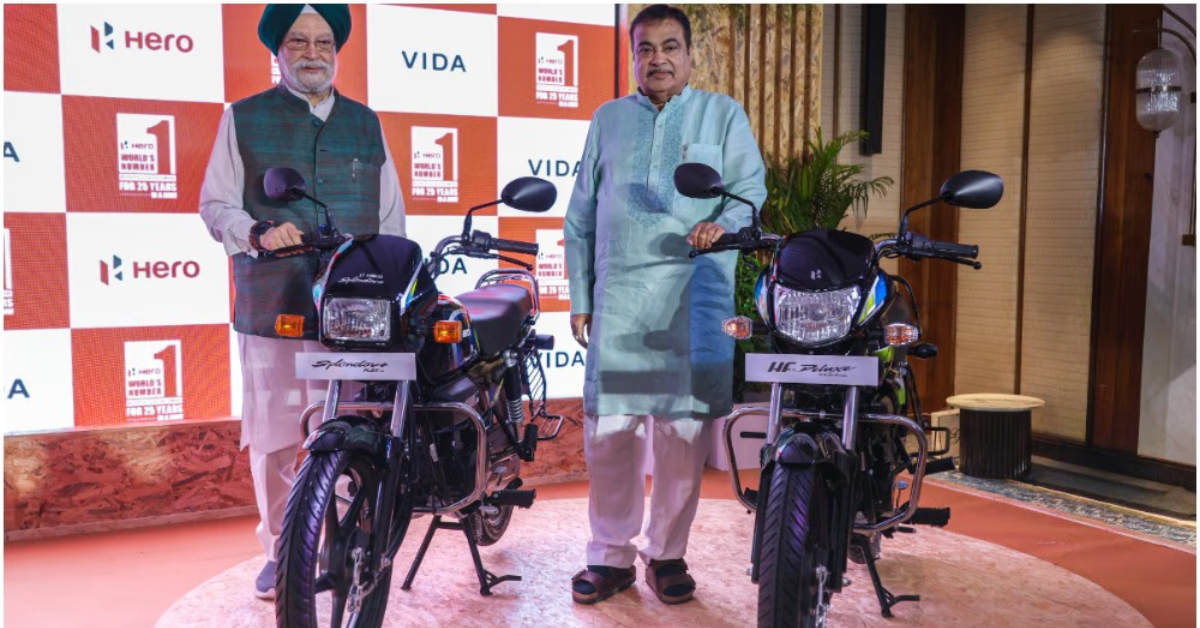
Hero MotoCorp has taken a significant step in this direction by introducing the Splendor Plus Flex Fuel and HF Deluxe Flex Fuel. These motorcycles are based on two of the most trusted and highest-selling commuter bikes in the country, making them ideal platforms for introducing next-generation fuel technology.
The launch marks an important milestone in India’s journey toward cleaner and more sustainable transportation. By bringing ethanol-compatible motorcycles to the mass market, Hero MotoCorp is opening new possibilities for riders seeking lower running costs and reduced dependence on conventional petrol.
Let’s take a detailed look at these new flex-fuel motorcycles and understand why they could become game changers in the commuter segment.
Understanding Flex Fuel Technology
Before discussing the motorcycles themselves, it’s important to understand what flex-fuel technology actually means.
Flex-fuel vehicles are designed to operate on different fuel mixtures containing varying amounts of ethanol and petrol. Unlike conventional engines, flex-fuel engines can automatically adjust their operating parameters according to the fuel composition present in the tank.
This means riders can use:
- Standard petrol
- Ethanol-petrol blends
- High ethanol fuel mixtures
- Alternative approved fuel combinations
The engine management system continuously monitors fuel composition and optimizes performance accordingly.
This flexibility is the foundation of flex-fuel technology.
Why Hero Chose Splendor and HF Deluxe
Few motorcycles enjoy the level of trust that the Splendor Plus and HF Deluxe have earned over the years.
These bikes are popular because of:
- Outstanding fuel efficiency
- Low maintenance costs
- Proven reliability
- Affordable ownership
- Strong resale value
- Wide service network
Since these models already dominate the commuter motorcycle segment, they are ideal candidates for introducing new fuel technologies to a large audience.
Hero’s strategy appears focused on bringing alternative fuel technology to everyday consumers rather than limiting it to premium products.
Familiar Design with Modern Purpose
One of the most interesting aspects of the new flex-fuel motorcycles is that they retain the familiar styling of their standard counterparts.
Hero Splendor Plus Flex Fuel
The motorcycle continues to feature:
- Classic commuter styling
- Comfortable seating position
- Practical body graphics
- Simple controls
- Lightweight construction
The design remains instantly recognizable to existing Splendor customers.
Hero HF Deluxe Flex Fuel
The HF Deluxe follows a similar philosophy.
Highlights include:
- Functional commuter design
- Easy handling characteristics
- Comfortable ergonomics
- Daily-use practicality
- Familiar appearance
This approach ensures that customers can adopt new fuel technology without feeling disconnected from the motorcycles they already trust.
Engine Technology: The Biggest Change
While the design remains familiar, the major advancements are found inside the engine.
Flex-fuel motorcycles require several engineering modifications to handle ethanol-rich fuels efficiently.
Ethanol-Compatible Components
Ethanol behaves differently from petrol and requires specialized materials.
Key modifications include:
- Fuel system upgrades
- Ethanol-resistant fuel lines
- Modified injectors
- Enhanced seals and gaskets
- Specialized engine calibration
These changes ensure long-term durability and reliability.
Advanced Engine Management
The engine control system continuously adjusts parameters based on fuel composition.
This allows:
- Consistent performance
- Smooth operation
- Improved combustion efficiency
- Better fuel adaptability
Riders do not need to make any manual adjustments.
Performance Expectations
One common misconception is that alternative fuels automatically reduce vehicle performance.
Modern flex-fuel technology has largely addressed this concern.
Smooth Everyday Riding
The Splendor Plus Flex Fuel and HF Deluxe Flex Fuel are expected to deliver:
- Predictable throttle response
- Comfortable acceleration
- Smooth power delivery
- Reliable city performance
These characteristics remain critical for commuter motorcycles.
Suitable for Daily Commuting
The motorcycles continue to focus on:
- Urban travel
- Rural transportation
- Office commutes
- Small business use
- Daily errands
The goal is to maintain the dependable riding experience customers already expect.
Fuel Economy and Running Cost Benefits
The biggest attraction of flex-fuel technology is its potential impact on running costs.
Reduced Dependence on Petrol
By utilizing ethanol-rich fuels, riders may benefit from:
- Greater fuel flexibility
- Alternative fuel options
- Reduced reliance on petrol
- Potential cost savings
For daily commuters, even small reductions in operating expenses can have a significant impact over time.
Affordable Mobility
The commuter motorcycle segment is highly sensitive to fuel prices.
Flex-fuel technology aims to:
- Improve affordability
- Reduce transportation expenses
- Offer sustainable alternatives
- Support budget-conscious riders
This could become a major advantage in the years ahead.
Environmental Advantages
Environmental sustainability is one of the key reasons flex-fuel technology is gaining attention.
Lower Emissions
Ethanol-based fuels can contribute to:
- Reduced greenhouse gas emissions
- Cleaner combustion
- Lower environmental impact
- Improved sustainability
These benefits align with broader efforts to reduce transportation-related pollution.
Renewable Energy Source
Unlike conventional petrol, ethanol is produced from renewable agricultural resources.
This makes it:
- More sustainable
- Locally producible
- Less dependent on crude oil
- Better aligned with future energy goals
The use of renewable fuels is expected to play an increasingly important role in transportation.
Benefits for Rural India
The introduction of flex-fuel motorcycles could have a particularly strong impact in rural regions.
Support for Agricultural Economies
Ethanol production creates additional demand for agricultural products.
This can benefit:
- Farmers
- Rural businesses
- Agricultural supply chains
- Local economies
The economic impact extends beyond transportation alone.
Improved Energy Security
Greater reliance on domestically produced fuels can strengthen national energy independence.
Benefits include:
- Reduced fuel imports
- Better supply stability
- Enhanced energy resilience
- Stronger local industries
These factors contribute to long-term economic sustainability.
Ownership Experience
Hero motorcycles are known for their practical ownership experience.
The flex-fuel versions are expected to maintain these strengths.
Extensive Service Network
Owners benefit from:
- Wide dealership presence
- Easy service accessibility
- Spare parts availability
- Established support infrastructure
This is particularly important when introducing new technologies.
Familiar Maintenance Requirements
Hero aims to ensure that flex-fuel technology remains practical and user-friendly.
Owners can expect:
- Reliable operation
- Everyday usability
- Practical maintenance schedules
- Long-term durability
These qualities are essential for commuter motorcycles.
How Flex-Fuel Bikes Compare to Electric Two-Wheelers
The rise of electric vehicles has created new choices for consumers.
However, flex-fuel motorcycles offer distinct advantages.
Advantages of Flex-Fuel Bikes
- Traditional refueling process
- No charging downtime
- Familiar ownership experience
- Existing infrastructure utilization
- Lower transition barriers
These benefits make adoption easier for many riders.
Advantages of Electric Vehicles
- Zero tailpipe emissions
- Lower energy costs
- Advanced technology
- Quiet operation
Both technologies may coexist as part of a diversified mobility ecosystem.
Challenges Facing Flex-Fuel Adoption
While promising, flex-fuel technology also faces challenges.
Fuel Availability
Successful adoption depends on:
- Expanded ethanol distribution
- Consistent fuel availability
- Wider fueling infrastructure
Availability will play a crucial role in market acceptance.
Consumer Awareness
Many riders are unfamiliar with:
- Ethanol fuels
- Flex-fuel technology
- Fuel compatibility
- Long-term benefits
Education will be essential for widespread adoption.
Why This Launch Matters
The launch of the Splendor Plus Flex Fuel and HF Deluxe Flex Fuel represents more than just two new motorcycles.
It signals:
- The evolution of commuter mobility
- Greater fuel diversification
- Increased sustainability efforts
- Broader adoption of alternative fuels
By choosing mass-market products rather than niche models, Hero has significantly increased the visibility of flex-fuel technology.
The Future of Ethanol-Powered Two-Wheelers
The future of flex-fuel motorcycles appears promising as governments and manufacturers continue exploring cleaner transportation solutions.
Key growth drivers include:
- Expanding ethanol production
- Growing environmental awareness
- Rising fuel costs
- Technological advancements
- Increased consumer acceptance
These trends could accelerate adoption in the coming years.
Final Verdict
The Hero Splendor Plus Flex Fuel and HF Deluxe Flex Fuel represent an important step toward the future of affordable and sustainable transportation. By combining trusted commuter motorcycle platforms with advanced ethanol-compatible technology, Hero MotoCorp has created products that balance practicality, efficiency, and environmental responsibility.
For millions of riders who depend on motorcycles for their daily mobility needs, flex-fuel technology offers a compelling alternative that requires minimal lifestyle changes while potentially delivering long-term economic and environmental benefits.
As ethanol infrastructure expands and awareness grows, these motorcycles could play a significant role in shaping the next chapter of India’s commuter mobility story. The launch demonstrates that the future of transportation may not depend on a single solution but rather a combination of technologies designed to meet different needs, and flex-fuel motorcycles are clearly positioned to be an important part of that future.