
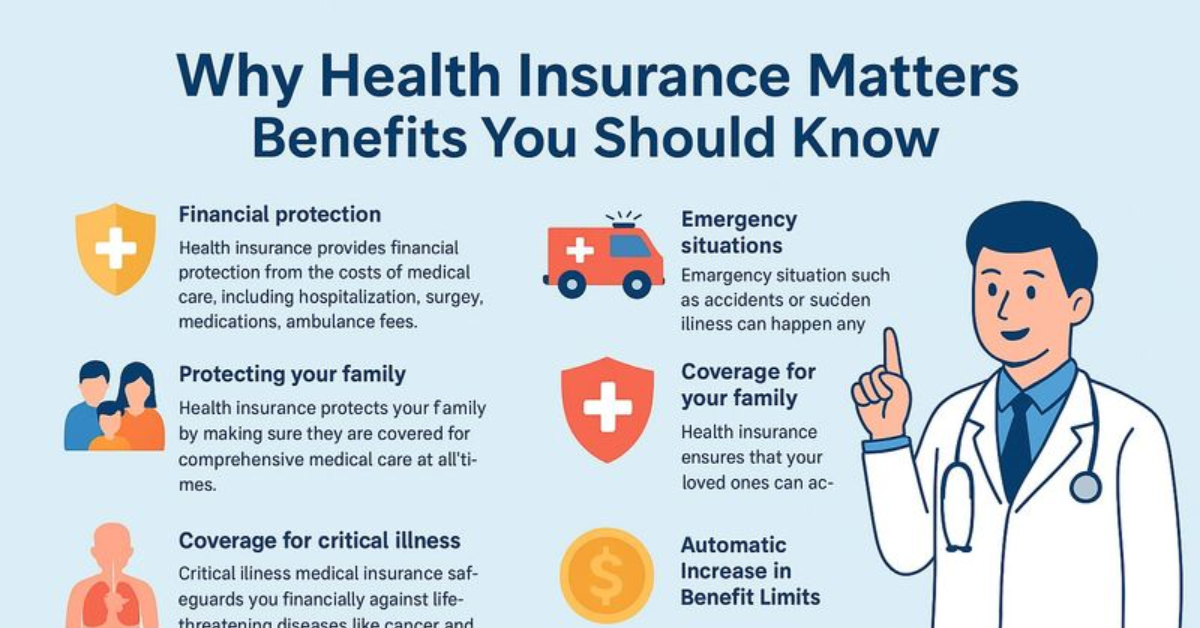
Health insurance is one of the most valuable financial assets a person can own. It protects individuals and families from unexpected medical expenses and ensures access to quality healthcare when it is needed most. However, simply purchasing a health insurance policy is not enough. To maximize its benefits, policyholders must review their health insurance coverage regularly.
Many people buy a policy and continue renewing it year after year without checking whether it still meets their healthcare needs. As life circumstances change and medical costs increase, an outdated policy may leave you underinsured or paying for benefits you no longer require. Regular policy reviews help ensure that your health insurance remains aligned with your lifestyle, family situation, healthcare needs, and financial goals.
A periodic review allows you to identify coverage gaps, evaluate policy benefits, compare costs, and make informed decisions about your healthcare protection. It is an important step in maintaining both financial security and peace of mind.
In this article, we will explore the importance of reviewing your health insurance policy, its key benefits, and practical tips for ensuring that your coverage continues to provide maximum value.
What Is a Health Insurance Policy Review?
A health insurance policy review is the process of carefully evaluating your current health insurance coverage to determine whether it still meets your medical and financial requirements.
The review generally includes:
- Assessing the sum insured
- Evaluating coverage benefits
- Reviewing policy exclusions
- Checking premium affordability
- Examining claim-related features
- Reviewing network hospitals
- Assessing add-on covers
- Analyzing family healthcare needs
The objective is to ensure that your policy continues to provide adequate protection against rising healthcare expenses and unexpected medical emergencies.
Why Reviewing Your Health Insurance Policy Is Important
Healthcare needs change over time. A policy that was suitable when you purchased it may not be sufficient years later.
Several factors contribute to changing insurance requirements, including:
- Marriage
- Parenthood
- Career advancement
- Lifestyle changes
- Aging
- Medical history updates
- Rising healthcare costs
Reviewing your policy helps ensure that it adapts to these life changes and continues to provide comprehensive protection.
Rising Healthcare Costs Require Better Planning
Medical inflation is one of the biggest reasons why health insurance reviews are necessary.
Healthcare expenses continue to rise due to:
- Advanced medical technology
- Specialized treatments
- Increased hospitalization costs
- Expensive medications
- Modern surgical procedures
Without reviewing your policy, your existing coverage may become inadequate over time.
A policy review helps determine whether your current sum insured can effectively handle future medical expenses.
Benefit 1: Ensures Adequate Sum Insured
The sum insured is the maximum amount your insurance company will pay for covered medical expenses during a policy year.
Many policyholders underestimate how quickly medical costs can increase.
Why Adequate Coverage Matters
A higher sum insured helps cover:
- Major surgeries
- Critical illnesses
- Emergency hospitalization
- Intensive care treatment
- Long-term medical care
If your current coverage is insufficient, a policy review allows you to increase your protection before a medical emergency occurs.
Questions to Consider
Ask yourself:
- Can my current policy cover a major hospitalization?
- Is the coverage sufficient for my family’s needs?
- Has medical inflation reduced the effectiveness of my policy?
These questions can help determine whether a coverage upgrade is necessary.
Benefit 2: Helps Identify Coverage Gaps
Healthcare requirements evolve throughout life.
A policy review helps identify important areas where coverage may be lacking.
Examples include:
- Critical illness protection
- Maternity benefits
- Preventive healthcare
- Family coverage
- Accident-related benefits
- Wellness programs
Identifying these gaps early helps improve overall healthcare protection.
Benefit 3: Keeps Coverage Aligned with Life Changes
Major life events often require adjustments to health insurance coverage.
Marriage
After marriage, many individuals choose to include their spouse under a family health insurance plan.
Parenthood
The birth of a child introduces additional healthcare needs and expenses.
Aging Parents
Many families consider extending healthcare protection to elderly parents.
Career Growth
Increased income may allow individuals to purchase more comprehensive coverage.
Regular policy reviews ensure that insurance benefits remain relevant as life circumstances change.
Benefit 4: Improves Financial Security
Unexpected medical expenses can significantly impact financial stability.
Without sufficient coverage, healthcare costs may force individuals to:
- Use emergency savings
- Withdraw investments
- Delay financial goals
- Take personal loans
Health insurance acts as a financial shield by reducing out-of-pocket medical expenses.
Reviewing your policy ensures that this protection remains strong and effective.
Benefit 5: Optimizes Premium Costs
Many people assume that reviewing a policy automatically leads to higher premiums.
In reality, policy reviews can help optimize costs.
How Policy Reviews Save Money
A review may reveal opportunities to:
- Remove unnecessary add-ons
- Adjust coverage levels
- Improve policy efficiency
- Select more suitable benefits
The goal is to maximize value rather than simply minimize premium expenses.
A well-balanced policy provides strong protection at a reasonable cost.
Benefit 6: Enhances Claim Experience
One of the most overlooked advantages of policy reviews is improved claim preparedness.
Many claim disputes arise because policyholders are unfamiliar with:
- Coverage conditions
- Exclusions
- Waiting periods
- Documentation requirements
Reviewing your policy helps you understand how claims work before a medical emergency occurs.
This knowledge can simplify claim settlement and reduce stress during treatment.
Benefit 7: Verifies Network Hospital Availability
Cashless hospitalization is one of the most important features of modern health insurance plans.
Under cashless treatment:
- Eligible expenses are settled directly between the insurer and hospital.
- Patients avoid large upfront payments.
- Administrative procedures become simpler.
A policy review helps verify that your preferred hospitals remain part of the insurer’s network.
This can be particularly important if you relocate or if hospital networks change over time.
Benefit 8: Keeps You Updated on New Benefits
The health insurance industry evolves continuously.
Insurance providers frequently introduce new features such as:
- Telemedicine consultations
- Wellness rewards
- Preventive health checkups
- Digital claim processing
- Advanced treatment coverage
Reviewing your policy helps determine whether newer plans offer benefits that may better suit your healthcare needs.
Remaining informed allows you to take advantage of valuable healthcare innovations.
Benefit 9: Supports Family Healthcare Planning
Family healthcare needs often change as children grow and parents age.
Regular policy reviews help ensure that:
- All family members have adequate protection
- Coverage remains sufficient
- Medical expenses are manageable
Family health insurance should evolve alongside household healthcare requirements.
Evaluate Family Medical History
Consider factors such as:
- Hereditary conditions
- Chronic illnesses
- Long-term healthcare risks
These considerations can influence future coverage decisions.
Benefit 10: Helps Manage Critical Illness Risks
Serious illnesses can create significant financial challenges.
Examples include:
- Cancer
- Heart disease
- Stroke
- Kidney failure
- Organ-related disorders
Treatment for these conditions may require prolonged hospitalization and advanced medical care.
A policy review helps determine whether your current plan provides adequate protection against these risks.
Additional critical illness coverage may be worth considering.
Benefit 11: Prevents Policy Lapses
Many policyholders overlook renewal dates or fail to review policy updates.
Regular reviews help prevent:
- Missed premium payments
- Policy lapses
- Coverage interruptions
- Benefit reductions
Continuous coverage is important for maintaining long-term healthcare security.
Why Policy Lapses Can Be Problematic
A lapsed policy may result in:
- Loss of accumulated benefits
- Additional waiting periods
- Limited coverage options
- Higher future premiums
Regular monitoring helps avoid these issues.
Benefit 12: Encourages Preventive Healthcare
Modern health insurance plans increasingly emphasize preventive care.
Benefits may include:
- Annual health checkups
- Wellness programs
- Health screenings
- Lifestyle management initiatives
Preventive healthcare helps identify medical concerns early and supports better long-term health outcomes.
Reviewing your policy ensures that you take full advantage of these valuable services.
How Often Should You Review Your Health Insurance Policy?
Experts generally recommend reviewing your health insurance policy:
- Once every year
- Before renewal
- After marriage
- After the birth of a child
- Following major income changes
- When healthcare needs change
Regular reviews help maintain optimal protection.
Key Questions to Ask During a Policy Review
When reviewing your policy, consider the following:
Is My Sum Insured Sufficient?
Medical inflation may require increased coverage.
Have My Family Needs Changed?
Family size and healthcare requirements often evolve over time.
Are Premiums Affordable?
Long-term affordability supports continuous coverage.
Are My Preferred Hospitals Included?
Network hospital access improves convenience.
Do I Need Additional Protection?
Critical illness and wellness benefits may strengthen coverage.
Answering these questions can help guide effective policy decisions.
Common Mistakes to Avoid
When reviewing your policy, avoid these common mistakes:
- Focusing only on premium costs
- Ignoring exclusions
- Delaying reviews
- Overlooking family healthcare needs
- Choosing inadequate coverage
- Forgetting renewal dates
A proactive approach leads to stronger financial and healthcare protection.
Final Thoughts
Reviewing your health insurance policy is one of the smartest financial habits you can develop. As healthcare costs rise and personal circumstances evolve, regular policy evaluations ensure that your coverage remains effective, affordable, and aligned with your family’s needs.
The benefits of reviewing your health insurance policy are substantial. It helps maintain adequate coverage, identify protection gaps, improve claim readiness, optimize premium costs, support family healthcare planning, and strengthen long-term financial security.
Rather than treating health insurance as a one-time purchase, view it as an evolving financial tool that should be reviewed and adjusted regularly. By taking a proactive approach, you can ensure that your health insurance continues to provide the protection, confidence, and peace of mind needed to navigate future healthcare challenges successfully.