
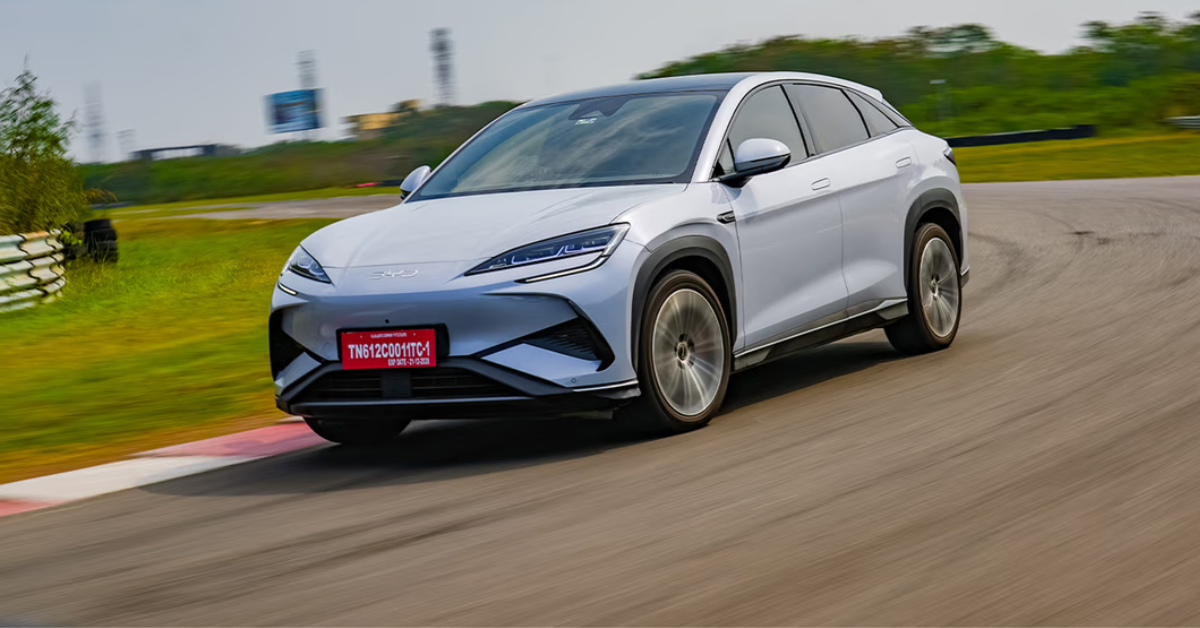
The electric vehicle (EV) market in India is gaining momentum, but rising costs are beginning to shape buyer decisions. In a recent development, BYD India has announced a price increase across its car lineup starting May 1, 2026. This move reflects broader industry trends and highlights the evolving dynamics of the electric mobility ecosystem.
For potential EV buyers, this announcement is more than just a routine price revision—it offers insight into the future of electric car pricing, market demand, and investment value.
Why BYD Is Increasing Prices
Price hikes in the automotive sector are often driven by a combination of economic and technological factors. In the case of BYD India, several key reasons are likely behind this decision.
1. Rising Battery Costs
Batteries are the most expensive component in an electric vehicle. Fluctuations in the cost of raw materials such as lithium and other critical elements can significantly impact overall vehicle pricing.
2. Global Supply Chain Pressures
Even as supply chains stabilize, logistics and component sourcing continue to present challenges. These factors contribute to higher production costs.
3. Currency Exchange Impact
As a global brand, BYD relies on imported components and technology. Currency fluctuations can directly affect pricing strategies in the Indian market.
4. Technological Advancements
BYD vehicles are known for advanced battery technology, premium features, and high safety standards. Continuous innovation often leads to increased costs, which are reflected in the final price.
Impact on the Indian EV Market
BYD’s price hike is not an isolated event—it has broader implications for the entire EV market in India.
1. Shift in Buyer Behavior
Potential buyers may rush to purchase vehicles before May 1 to avoid higher costs. This could lead to a short-term spike in demand.
2. Increased Price Sensitivity
Even in the premium EV segment, buyers are becoming more price-conscious. A price hike could influence decision-making and brand preferences.
3. Competitive Market Dynamics
Other EV manufacturers may either follow similar pricing strategies or maintain current prices to gain a competitive edge.
What This Means for EV Buyers
If you’re planning to buy an electric car, timing and strategy are crucial.
Buying Before May 1
- Lock in current prices
- Potential access to ongoing offers or benefits
- Faster decision-making advantage
Buying After May 1
- Possible introduction of updated features
- Improved availability of newer variants
For most buyers, purchasing before the price increase is likely the more cost-effective option.
Understanding the Value Proposition of BYD Cars
Despite the price hike, BYD vehicles continue to offer strong value, particularly in terms of technology and performance.
Advanced Battery Technology
BYD’s battery systems are designed for safety, longevity, and efficiency.
Long Driving Range
One of the key advantages of BYD vehicles is their ability to deliver extended range, reducing range anxiety.
Premium Features
From advanced infotainment systems to high-end interiors, BYD cars are positioned in the premium EV segment.
Low Running Costs
Compared to traditional fuel vehicles, EVs offer lower operating and maintenance costs.
These factors make BYD cars appealing even with a price increase.
Luxury EV Segment: A Growing Opportunity
The premium electric vehicle segment in India is expanding rapidly. Consumers are increasingly willing to invest in high-end EVs that offer:
- Advanced technology
- Sustainable mobility solutions
- Enhanced driving experience
BYD’s pricing strategy reflects confidence in this growing demand.
Long-Term Ownership Perspective
When evaluating a price hike, it’s important to consider long-term benefits rather than just the initial cost.
1. Lower Fuel Expenses
Electric vehicles significantly reduce fuel costs over time.
2. Reduced Maintenance
Fewer moving parts result in lower maintenance requirements.
3. Environmental Benefits
EVs contribute to reduced emissions and a cleaner environment.
4. Resale Value
As EV adoption increases, resale values are expected to improve.
Market Trends Driving EV Price Changes
Several broader trends are influencing EV pricing in India:
Battery Innovation
Continuous research and development in battery technology can both increase and decrease costs over time.
Government Policies
Incentives and regulations play a major role in shaping EV pricing.
Infrastructure Development
Expansion of charging networks can boost demand and influence pricing strategies.
Consumer Awareness
As more buyers understand the benefits of EVs, demand continues to rise.
Smart Strategies to Save on EV Purchases
If you’re considering a BYD vehicle or any electric car, here are some practical strategies:
1. Plan Your Purchase Timing
Buying before price hikes can lead to immediate savings.
2. Evaluate Total Cost of Ownership
Consider long-term savings on fuel and maintenance.
3. Explore Financing Options
Flexible payment plans can help manage higher upfront costs.
4. Compare Features Across Models
Ensure you’re getting the best value for your investment.
Challenges in the EV Market
While the EV market is growing, it still faces certain challenges:
Charging Infrastructure
Limited availability of charging stations in some areas.
Initial Cost Barrier
Higher upfront cost compared to conventional vehicles.
Technology Adaptation
Some consumers are still hesitant to switch to EVs.
Despite these challenges, the overall trajectory of the EV market remains positive.
The Future of BYD in India
BYD has been steadily expanding its presence in India, and this price adjustment is part of a broader growth strategy. The company is likely to continue investing in:
- New product launches
- Advanced battery technology
- Expansion of dealership networks
- Improved customer experience
These efforts aim to strengthen its position in the competitive EV market.
Final Thoughts
The upcoming price hike by BYD India is a clear indication of the evolving dynamics in the electric vehicle industry. While it may increase the initial cost for buyers, it also reflects the growing value and demand for advanced EV technology.
For consumers, the key is to stay informed and make strategic decisions. Whether you choose to buy before or after May 1, understanding market trends and evaluating long-term benefits will help you make a smarter investment.
As India moves toward a more sustainable future, electric vehicles are set to play a crucial role. Developments like these highlight both the opportunities and challenges in this rapidly changing landscape.