
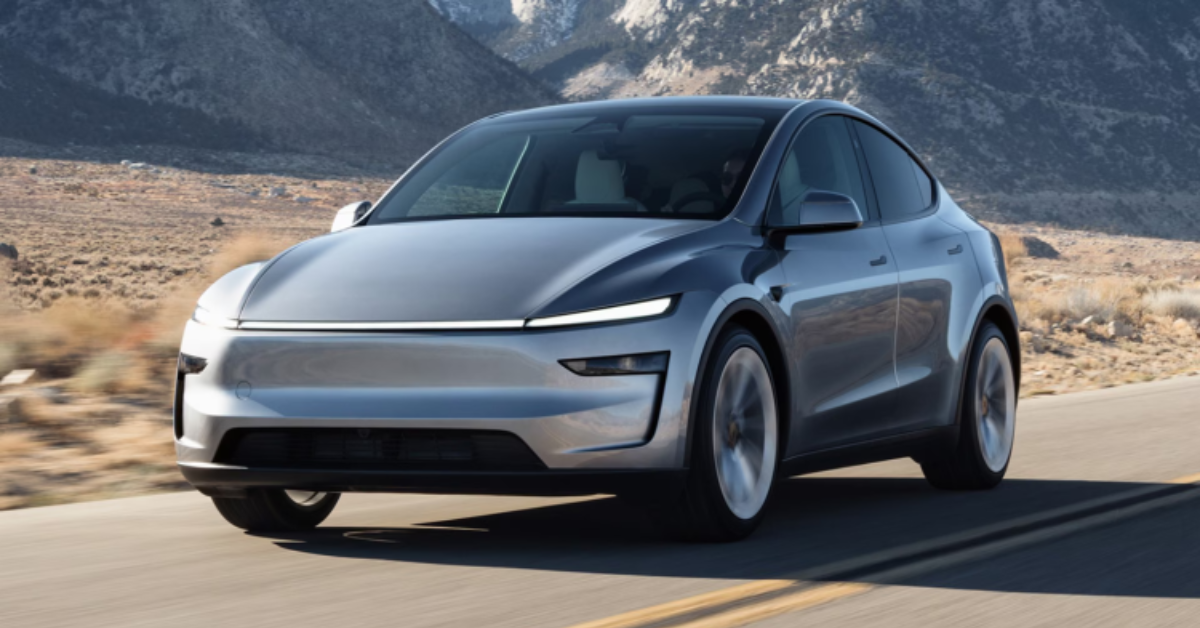
The global transportation ecosystem is undergoing one of the most significant transformations in modern history. At the heart of this shift is the rise of autonomous mobility, driven by rapid advancements in artificial intelligence, machine learning, and electric vehicle technology. Among the most disruptive innovations in this space is the robotaxi—a fully autonomous ride-hailing service that promises to redefine how people move within cities.
Companies like Tesla are pushing the boundaries of what’s possible, accelerating the adoption of driverless transportation. As robotaxi services expand into more cities, they are not just introducing a new way to travel—they are reshaping urban infrastructure, economic models, and consumer behavior.
What Are Robotaxis and Why Do They Matter?
Robotaxis are self-driving vehicles designed to operate as part of a ride-hailing network without human drivers. Unlike traditional taxis or app-based cab services, these vehicles rely entirely on software, sensors, and real-time data processing to navigate roads safely.
This innovation matters because it addresses several critical challenges in modern transportation:
- Rising traffic congestion in urban areas
- Increasing demand for cost-efficient mobility solutions
- The need for safer roads with fewer human errors
- Environmental concerns related to fuel-based transportation
Robotaxis offer a scalable solution that combines efficiency, sustainability, and convenience.
The Technology Behind Autonomous Mobility
The success of robotaxis depends on a complex ecosystem of technologies working together seamlessly.
Artificial Intelligence and Machine Learning
AI is the brain of autonomous vehicles. It processes vast amounts of data from sensors and cameras to make real-time driving decisions. Machine learning algorithms continuously improve the system by learning from new data.
Advanced Sensor Systems
Robotaxis use a combination of cameras, radar, and sometimes lidar to understand their surroundings. These systems detect obstacles, identify road signs, and track other vehicles.
Real-Time Data Processing
Autonomous vehicles must analyze data instantly to respond to changing road conditions. This requires powerful onboard computing systems capable of handling millions of calculations per second.
Connectivity and Cloud Integration
Cloud connectivity allows vehicles to receive updates, share data, and improve performance over time. This creates a continuously evolving system that becomes smarter with every mile driven.
The Shift Toward Mobility-as-a-Service
One of the most significant impacts of robotaxi expansion is the shift from vehicle ownership to mobility-as-a-service (MaaS). Instead of owning a car, users can simply request a ride when needed.
This model offers several advantages:
- Lower overall transportation costs
- Reduced need for parking spaces
- Increased accessibility for non-drivers
- More efficient use of vehicles
For urban residents, this could fundamentally change the way they interact with transportation.
Economic Implications of Robotaxi Expansion
The robotaxi market is expected to become a high-value industry, attracting significant investment and innovation.
New Revenue Streams
Companies operating robotaxi networks can generate continuous income through ride services, subscription models, and data-driven insights.
Cost Reduction
Removing human drivers significantly reduces operational costs, making ride-hailing more affordable for users while increasing profit margins for operators.
Job Market Transformation
While automation may reduce demand for traditional driving jobs, it also creates new opportunities in technology, maintenance, data analysis, and infrastructure development.
Impact on Urban Infrastructure
The widespread adoption of robotaxis will require cities to adapt their infrastructure.
Smarter Traffic Management
Autonomous vehicles can communicate with each other and with traffic systems, reducing congestion and improving traffic flow.
Reduced Parking Demand
With shared mobility models, fewer vehicles will need to be parked, freeing up valuable urban space for other uses.
Integration with Smart Cities
Robotaxis will play a key role in smart city ecosystems, working alongside public transport, IoT devices, and digital platforms to create seamless mobility networks.
Safety: The Most Critical Factor
Safety is the cornerstone of autonomous mobility. Human error is responsible for the majority of road accidents, and robotaxis aim to significantly reduce this risk.
Key safety benefits include:
- Consistent adherence to traffic rules
- Elimination of distractions like mobile phone usage
- Faster reaction times compared to human drivers
However, achieving full safety requires rigorous testing, validation, and continuous improvement of the technology.
Challenges Facing Robotaxi Adoption
Despite its potential, robotaxi technology faces several challenges.
Regulatory Barriers
Different regions have varying laws regarding autonomous vehicles, which can slow down deployment.
Public Trust
Many people are still hesitant to trust driverless technology. Building confidence will require proven safety records and transparent communication.
Technical Limitations
Autonomous systems must be able to handle complex scenarios such as extreme weather, unpredictable human behavior, and poorly marked roads.
Infrastructure Gaps
Not all cities are equipped to support autonomous vehicles, particularly in developing regions.
Environmental Benefits of Robotaxis
Robotaxis are typically electric vehicles, making them a cleaner alternative to traditional transportation.
Environmental advantages include:
- Reduced carbon emissions
- Lower air pollution levels
- Improved energy efficiency
When combined with renewable energy sources, robotaxi networks can significantly contribute to sustainable urban development.
Consumer Experience: A New Way to Travel
For users, robotaxis offer a completely new travel experience.
Imagine:
- Booking a ride through a mobile app
- A vehicle arriving without a driver
- A smooth, quiet, and efficient journey
- Personalized settings for comfort and entertainment
This level of convenience and innovation is set to redefine customer expectations in the mobility sector.
The Global Race for Autonomous Dominance
While Tesla is a major player, the race for autonomous mobility includes several global competitors investing heavily in research and development.
This competition is driving rapid innovation, leading to:
- Faster technological advancements
- More affordable solutions
- Improved safety and reliability
As more companies enter the market, the pace of change will only accelerate.
What This Means for India and Emerging Markets
Although robotaxi services are currently concentrated in developed regions, their impact will eventually reach countries like India.
In the long term, autonomous mobility could help:
- Reduce urban congestion
- Improve road safety
- Provide affordable transportation options
However, challenges such as infrastructure, regulation, and cost will need to be addressed before widespread adoption becomes feasible.
The Road Ahead
The expansion of robotaxi services marks the beginning of a new chapter in transportation. As technology continues to evolve, we can expect:
- Wider adoption across major cities
- Improved AI capabilities
- Lower costs for consumers
- Greater integration with public transport systems
The journey toward fully autonomous mobility is still in progress, but the direction is clear.
Final Thoughts
The rise of robotaxis represents more than just a technological breakthrough—it’s a paradigm shift in how we think about transportation. By combining artificial intelligence, electric mobility, and innovative business models, autonomous ride-hailing services are poised to reshape the future of urban living.
As companies like Tesla continue to expand their robotaxi networks, the dream of seamless, driverless mobility is becoming a reality. While challenges remain, the potential benefits far outweigh the obstacles.