
There was a time when ordering a hot hatch in a bright, fiery yellow or a striking racing red felt like the entire point of buying a performance car VW. For years, shades like Tornado Red or electric yellow finishes were synonymous with the sporty, rebellious energy of the Volkswagen Group’s mainstream performance brand, Cupra. However, the times are changing.
Cupra, the Spanish brand under the VW Group umbrella, has made a decisive move to abandon bright colors entirely. Moving forward, the creative team is leaving the bold reds and yellows to brands like Ferrari, opting instead for a tightly curated, moody matte color palette to cement a more exclusive and distinct identity.
Moving Away From the “Seat” Origins
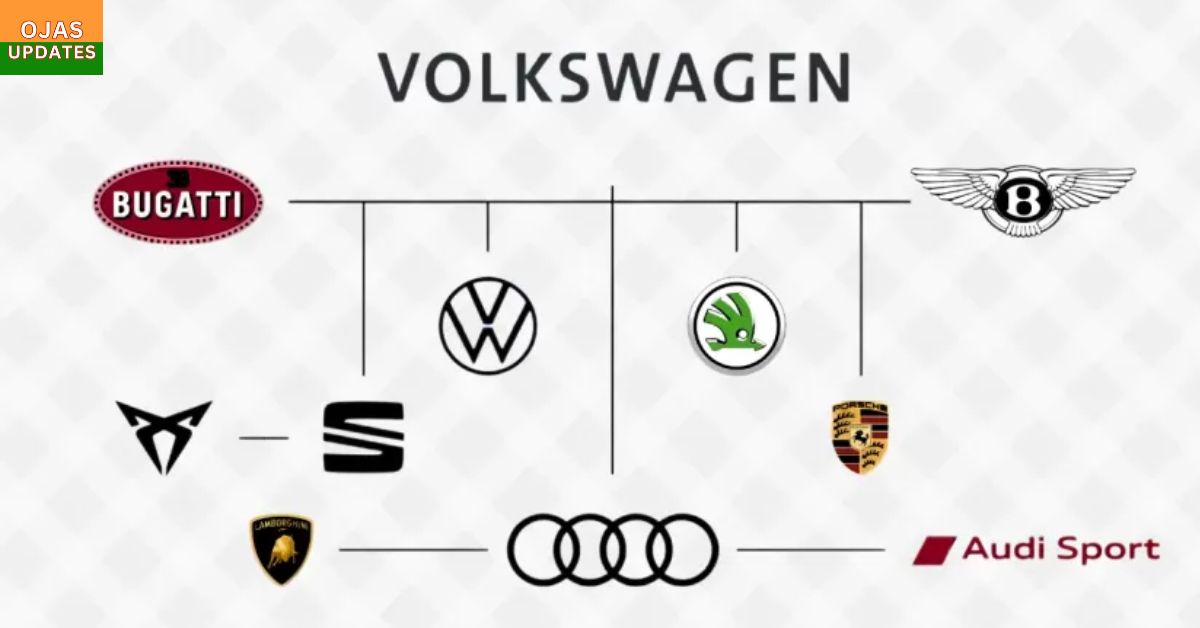
Before Cupra spun off as an independent brand in 2018, it served as the performance arm for SEAT models. Early hot hatches like the Ibiza and Leon were famous for their bright exterior finishes, which established the performance flavor. However, the company is now taking a different route to distance itself from its mainstream SEAT origins.
Did You Know? The Spanish word “Cupra” is a portmanteau of Cup and Racing, originally created to celebrate motorsport achievements in the late 1990s.
According to Jorge Diez, the creative design boss at Cupra, the brand’s color strategy is shifting toward a more premium and sophisticated design language. Copper accents, which have already become the hallmark of the brand, will be paired with earthy, moody, and matte paint finishes. The strategy emphasizes that high-performance vehicles don’t need to shout with primary colors; instead, they should exude an air of quiet confidence.
The New Color Strategy
To understand this dramatic pivot, we have to look at the psychology behind the brand identity overhaul:
- Exclusivity: By leaving loud primary colors like red and yellow to legacy sports brands such as Ferrari, Cupra is carving out its own unique design space.
- Moody Mattes: Future vehicle lineups will feature dark, high-contrast, and textured matte shades that look sleek and futuristic rather than sporty in the traditional sense.
- Premium Contrast: Rather than relying on bright body paint, the vehicles will use specific copper trim accents on the wheels, interior stitching, and badging to stand out.
What Does This Mean for the Wider VW Family?
While Cupra is ditching the bright hues, the Volkswagen brand itself is not. Volkswagen’s classic palette continues to feature iconic shades of red—ranging from the historic Coral Red of 1956 to the modern Kings Red Metallic of the 2026 Golf GTI.
Instead, the Volkswagen Group is utilizing design as a “strategic technology driver” to ensure each sub-brand maintains clear, recognizable boundaries:
| Brand / Group | Primary Design / Color Philosophy | Target Audience |
| Cupra | Moody, earthy matte tones with signature copper accents | Progressive performance lifestyle buyers |
| Volkswagen | “Pure Positive” styling (Stability, Sympathy, Secret Sauce) | Mainstream and everyday users |
| Volkswagen Group | Deep Space Blue, Vivid Green, Pure White (Corporate identity) | B2B, media, and global audiences |
The Road Ahead
Cupra’s color transition is more than just a cosmetic change; it’s a calculated repositioning within a highly competitive multi-brand universe. As automakers look for new ways to distinguish electric and hybrid vehicle lineups, clean, dark color palettes give cars a distinct sense of luxury.
While purists may miss the vibrant yellow hot hatches of the past, Cupra’s new direction reflects a mature approach to modern automotive design—letting the lines and materials speak for themselves.