

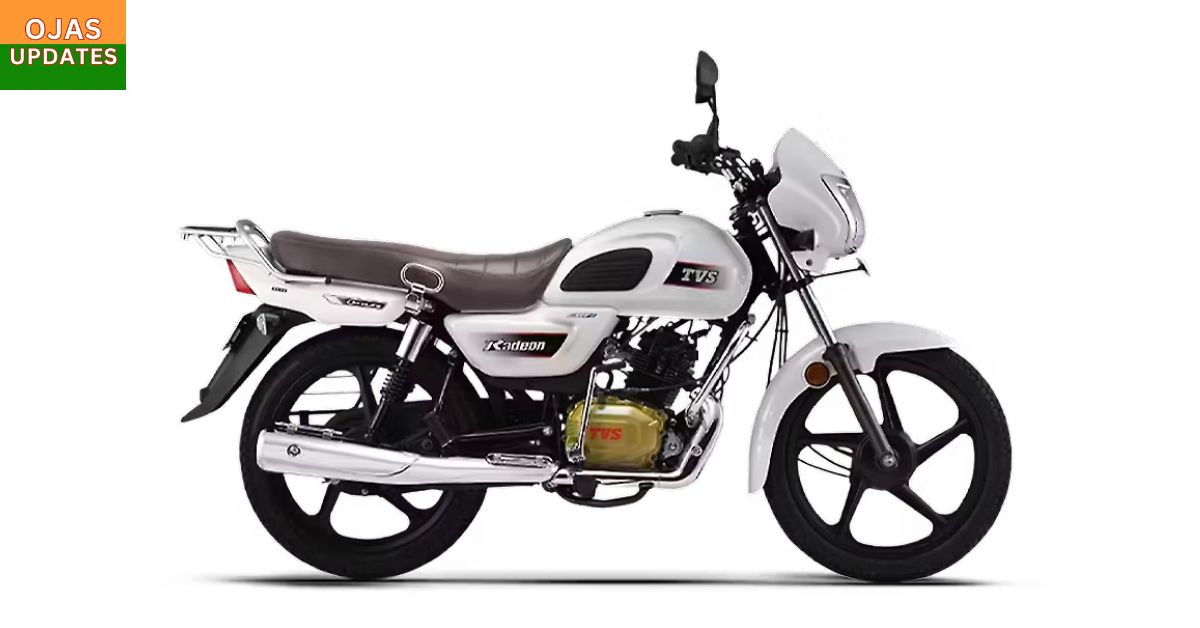
The commuter motorcycle segment in India has always been defined by affordability, practicality, and reliability. Among the popular choices, the TVS Radeon has carved out a strong presence thanks to its fuel efficiency, rugged build, and value-for-money appeal. However, in early 2026, TVS Motor Company announced a price hike for the Radeon, sparking discussions among buyers and industry watchers alike. While the increase may seem modest, it carries significant implications for the market, consumers, and the brand’s positioning.
Why the Price Hike?
Price adjustments in the two-wheeler industry are not uncommon, but the timing and reasons matter. TVS has cited several factors behind the Radeon’s price hike:
- Rising Input Costs: Raw materials like steel, aluminum, and rubber have seen global price increases, impacting manufacturing expenses.
- Regulatory Compliance: New emission norms and safety standards require additional technology, raising production costs.
- Inflationary Pressures: Broader economic conditions, including logistics and energy costs, have contributed to higher overheads.
- Feature Upgrades: TVS has introduced minor enhancements in design and performance, justifying part of the hike.
Impact on Consumers
For everyday commuters, even a small price increase can influence buying decisions. The Radeon has traditionally appealed to budget-conscious riders, particularly in semi-urban and rural markets.
- Affordability Concerns: The hike may push some buyers to consider alternatives in the same segment, such as Hero Splendor or Bajaj Platina.
- Value Proposition: Despite the increase, Radeon still offers strong mileage, durability, and comfort, which may offset concerns.
- Financing Options: With easy EMI schemes and dealer discounts, TVS aims to cushion the impact for buyers.
Market Positioning
The Radeon sits in a highly competitive segment where price sensitivity is high. TVS’s decision to raise prices reflects confidence in the product’s appeal.
- Brand Strength: TVS has built a reputation for reliability, which helps retain customer trust even with higher prices.
- Segment Dynamics: Competitors are also adjusting prices due to similar cost pressures, meaning Radeon remains competitive.
- Strategic Move: By maintaining quality and adding features, TVS positions Radeon as a slightly premium commuter bike rather than a bare-bones option.
Industry Implications
The price hike is not just about one motorcycle—it reflects broader trends in India’s two-wheeler industry.
- Shift Toward Premiumization: Even commuter bikes are gradually moving up the value chain, offering better features at higher prices.
- EV Transition Pressure: With electric two-wheelers gaining traction, traditional bikes face cost challenges in balancing affordability with compliance.
- Consumer Adaptation: Buyers are increasingly willing to pay more for reliability and brand trust, signaling a shift in consumer mindset.
Final Thoughts
The TVS Radeon price hike in 2026 is a reminder that affordability in the commuter segment is being redefined. While the increase may pinch some buyers, the Radeon continues to offer strong value through its mileage, durability, and comfort. For TVS, the move underscores confidence in its product and a strategic push toward balancing cost pressures with consumer expectations.
In the long run, The Radeon’s loyal customer base and TVS’s reputation for reliability may ensure that the price hike does not derail its popularity. Instead, it could mark the beginning of a new phase where commuter motorcycles evolve into more feature-rich, slightly premium offerings without losing their core appeal.