
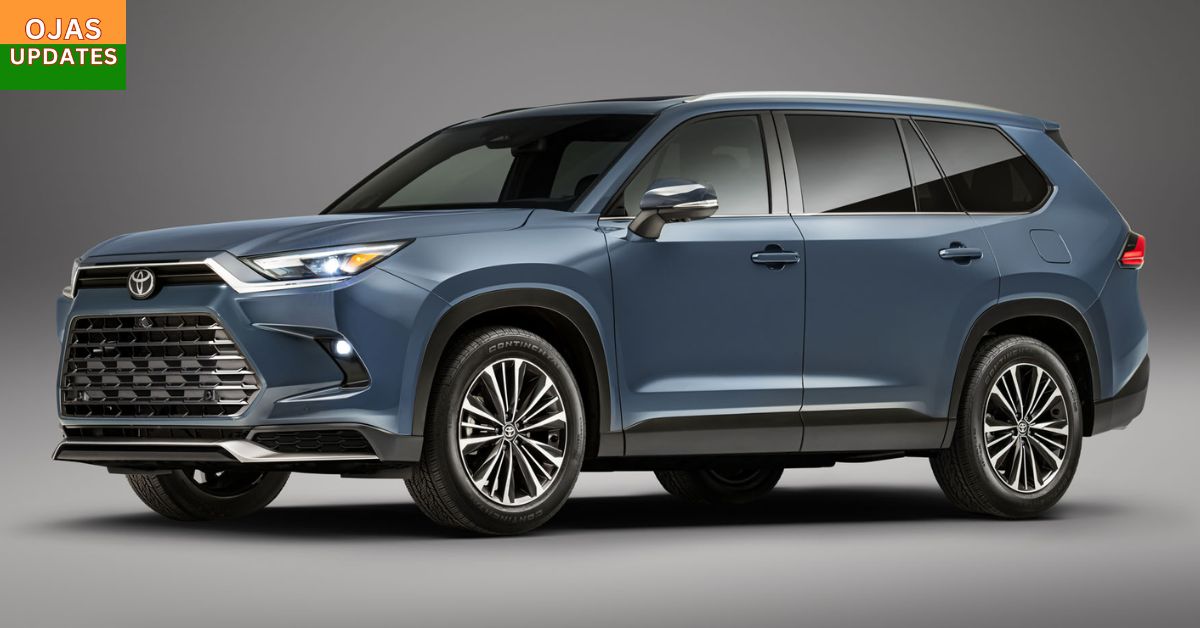
The Toyota Highlander has long been a symbol of family practicality and reliability. Toyota’s recent confirmation that the next‑generation Highlander will embrace electrification marks a major turning point for the model and for Toyota’s SUV strategy. This blog examines what Toyota confirmed, what it means for buyers, and how the Highlander’s evolution fits into the broader SUV market.
What Toyota Confirmed
Toyota has publicly confirmed that the upcoming Highlander will include electrified powertrains, completing a journey that began when the Highlander became one of the world’s first mainstream hybrid SUVs in 2005.
Toyota’s product announcements also indicate that the 2026 Highlander lineup will feature a mix of gas and hybrid grades, with all‑wheel drive becoming standard across many trims. These confirmations show Toyota is positioning the Highlander as both a family SUV and a platform for broader electrification within its global range.
Design and Powertrain Direction
Toyota’s recent materials and early reviews suggest the new Highlander will receive a comprehensive redesign that emphasizes a more modern, premium interior and a sleeker exterior profile. Early coverage highlights a focus on improved cabin materials, updated infotainment, and flexible seating for seven or eight passengers depending on trim.
On powertrains, Toyota appears to be doubling down on hybrid technology while preparing the Highlander to accept plug‑in or fully electrified variants in the future. The brand’s strategy is to offer efficient hybrid options now while keeping the architecture adaptable for higher‑voltage electrified systems later.
Technology and Safety
Toyota is equipping the Highlander with its latest connectivity and safety suite. Expect larger touchscreen options, improved smartphone integration, and Toyota Safety Sense enhancements as standard across the range. The move to standard all‑wheel drive on many grades also signals a focus on capability and confidence in varied driving conditions.
Beyond infotainment and driver aids, Toyota’s engineering emphasis on hybrid systems means the Highlander will likely benefit from refined energy management and improved fuel economy compared with previous generations. That combination of tech and efficiency is central to Toyota’s plan to keep the Highlander relevant as buyer expectations shift toward lower emissions and better real‑world economy.
Market Impact and Competition
The Highlander’s electrified confirmation arrives at a time when midsize three‑row SUVs are fiercely contested. Competitors are accelerating their own electrification plans, and buyers now expect a blend of space, comfort, and efficiency. Toyota’s hybrid heritage gives it credibility: the Highlander helped mainstream hybrid SUVs more than a decade ago, and Toyota is leveraging that legacy while modernizing the model for today’s market.
Making AWD standard across many trims strengthens the Highlander’s appeal to buyers in regions with varied weather and road conditions, and it narrows the gap to rivals that already offer electrified AWD systems. Toyota’s approach—incremental electrification with broad availability—aims to capture buyers who want improved efficiency without sacrificing the practicality and dependability the Highlander is known for.
Challenges and Opportunities
Challenges
- Perception Shift: Some buyers associate Toyota SUVs with traditional gasoline reliability; convincing them to embrace electrified variants requires clear messaging on benefits and total cost of ownership.
- Competition: Rivals are introducing plug‑in and fully electric three‑row options, raising the bar for range and charging convenience. Toyota must balance hybrid efficiency with futureproof electrified options.
Opportunities
- Hybrid Leadership: Toyota’s long experience with hybrids positions the Highlander to deliver class‑leading fuel economy and proven reliability for mainstream buyers.
- Broad Appeal: Standard AWD and upgraded tech make the Highlander attractive to families who need capability and comfort, while electrified powertrains reduce running costs and emissions.
Conclusion
Toyota’s confirmation that the Highlander will continue its electrified evolution is a strategic move that blends heritage with modern expectations. By building on the Highlander’s hybrid legacy, standardizing capability features like AWD, and updating interior technology, Toyota is positioning the model to remain a top choice in the midsize three‑row SUV segment. The Highlander’s next chapter looks to be one of pragmatic electrification—delivering efficiency and capability without abandoning the practicality that made the nameplate successful.