

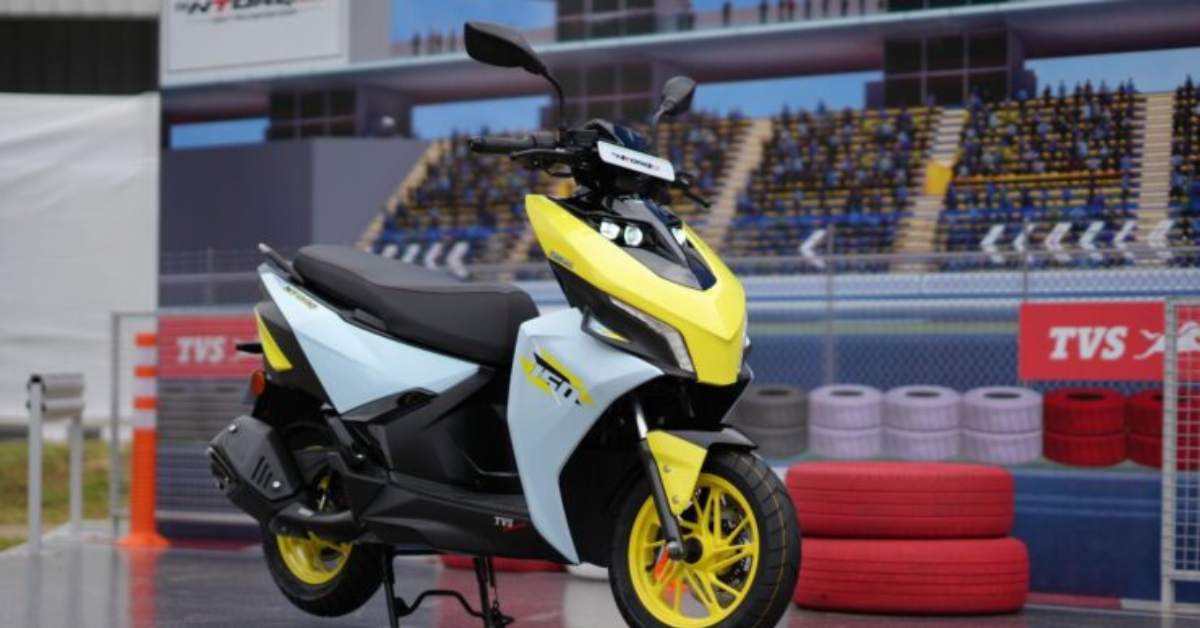
India’s two-wheeler industry continues to be one of the largest and most competitive automotive markets globally. In January 2026, major players like Hero MotoCorp, Honda Motorcycle & Scooter India, TVS Motor Company, Bajaj Auto, Royal Enfield, and Suzuki Motorcycle India continued to dominate sales charts.
With strong rural demand recovery, rising urban mobility needs, growing premium motorcycle sales, and expanding electric scooter adoption, the two-wheeler market is witnessing a significant transformation.
Let’s explore the Top 10 two-wheeler brands in January 2026 and analyze the factors driving their performance.
1. Hero MotoCorp – Market Leader Continues Stronghold
Hero MotoCorp remains India’s largest two-wheeler manufacturer in January 2026. Its strong rural distribution network and fuel-efficient commuter motorcycles keep it ahead.
Key Growth Drivers:
- Strong 100–125cc commuter segment
- Affordable pricing
- Extensive service network
- Reliable engine performance
- Strong rural demand
Hero’s focus on cost-effective motorcycles ensures consistent monthly volumes.
2. Honda Motorcycle & Scooter India – Scooter Segment Leader
Honda continues to dominate the scooter market while maintaining a strong presence in motorcycles.
Strength Areas:
- Best-selling scooters
- Smooth and refined engines
- Strong brand reliability
- Growing premium motorcycle range
Urban demand for automatic scooters plays a major role in Honda’s steady performance.
3. TVS Motor Company – Balanced Portfolio Growth
TVS has shown impressive growth in both commuter motorcycles and scooters. The company’s focus on innovation and performance models boosts its brand appeal.
Why TVS Performs Well:
- Strong 125cc segment
- Premium motorcycles expansion
- Growing electric scooter portfolio
- Export market strength
TVS continues to strengthen its urban and semi-urban presence.
4. Bajaj Auto – Performance & Export Giant
Bajaj Auto remains a strong competitor with its powerful motorcycles and export dominance.
Key Highlights:
- Strong 150–250cc motorcycle lineup
- Sporty commuter appeal
- Significant export contribution
- Value-driven pricing
Bajaj benefits from a strong global footprint and domestic sport commuter demand.
5. Royal Enfield – Premium Motorcycle Segment Leader
Royal Enfield continues to dominate the mid-capacity motorcycle category.
Growth Factors:
- 350cc & 650cc premium bikes
- Strong lifestyle branding
- Growing export demand
- Expanding dealership network
Premium motorcycle demand in urban markets continues to rise, supporting Royal Enfield’s strong January sales.
6. Suzuki Motorcycle India – Consistent Scooter Growth
Suzuki maintains steady performance with its popular scooter lineup and efficient commuter motorcycles.
Strength Points:
- Reliable scooter range
- Strong fuel efficiency
- Growing premium segment focus
Urban riders prefer Suzuki for smooth performance and modern design.
7. Yamaha India – Sporty Urban Appeal
Yamaha remains popular among young buyers due to its sporty motorcycles and performance-oriented design.
Key Drivers:
- Stylish 150cc motorcycles
- Strong brand image
- Youth-centric marketing
Yamaha’s premium urban appeal ensures steady sales in metro cities.
8. Ather Energy – Electric Revolution Rising
Electric two-wheelers continue to gain momentum in 2026, and Ather Energy remains a key player in the premium electric scooter category.
Why EV Demand Is Growing:
- Rising fuel prices
- Government subsidies
- Lower running costs
- Urban charging infrastructure expansion
EV adoption is gradually increasing in Tier 1 cities.
9. Ola Electric – High-Volume EV Contender
Ola Electric maintains strong visibility in the electric scooter market.
Key Strengths:
- Competitive pricing
- Large production capacity
- Aggressive marketing strategy
The brand continues expanding its service network to improve consumer trust.
10. Jawa & Yezdi – Niche Retro Segment Growth
Retro motorcycle brands are witnessing moderate growth in the premium niche segment.
Highlights:
- Classic styling
- Lifestyle positioning
- Limited but loyal customer base
Although smaller in volume, these brands add diversity to the two-wheeler landscape.
January 2026 Market Trends
1. Rural Recovery Driving Volumes
Improved agricultural income and financing availability are boosting commuter motorcycle demand.
2. Scooter Segment Stability
Automatic scooters remain popular among urban commuters and female riders.
3. Premium Motorcycle Growth
Mid-capacity motorcycles (350cc+) are seeing rising demand among enthusiasts.
4. Electric Two-Wheeler Expansion
EV penetration continues to increase, though still smaller compared to ICE models.
Segment-Wise Demand Overview
- 100–125cc Motorcycles: High-volume commuter category
- 150–250cc Bikes: Urban performance segment
- 350cc+ Motorcycles: Premium lifestyle segment
- Scooters: Urban daily mobility
- Electric Scooters: Emerging growth category
This diversified demand pattern supports stable industry growth.
Estimated Price Segments
- Entry commuter motorcycles: ₹65,000 – ₹90,000
- 125cc premium commuters: ₹90,000 – ₹1.2 lakh
- Performance motorcycles: ₹1.3 – ₹2 lakh
- Premium bikes: ₹2 lakh+
- Electric scooters: ₹1 – ₹1.5 lakh
Affordability remains a key growth factor in the two-wheeler market.
Challenges Facing the Industry
Despite strong January performance, the industry faces:
- Rising raw material costs
- EV subsidy policy uncertainty
- Increased competition
- Export market fluctuations
However, strong domestic demand helps balance these challenges.
Future Outlook for 2026
The two-wheeler industry is expected to witness:
- Continued rural demand recovery
- Expansion of electric vehicle production
- Launch of new performance motorcycles
- Improved financing options
- Growth in export volumes
Brands focusing on fuel efficiency, technology integration, and affordability will likely lead the market.
Final Verdict
January 2026 confirms that Hero MotoCorp, Honda, TVS, Bajaj, Royal Enfield, and Suzuki continue to dominate India’s two-wheeler market. With a balanced mix of commuter motorcycles, scooters, premium bikes, and electric models, the industry remains resilient and growth-oriented.
As urban mobility evolves and electric adoption increases, competition will intensify further in 2026. However, strong brand loyalty and expanding product portfolios ensure sustained momentum for leading manufacturers.
India’s two-wheeler revolution continues — and January 2026 proves the market remains dynamic, competitive, and full of opportunity.