
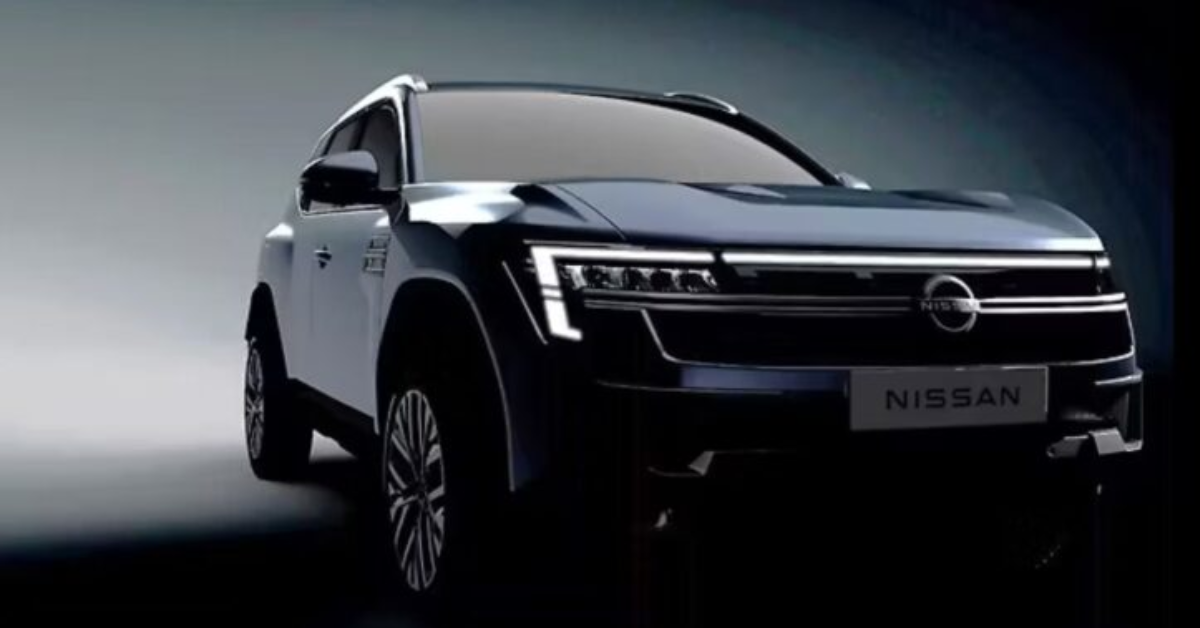
When it comes to SUVs that embody ruggedness, practicality, and a spirit of adventure, few vehicles have left as lasting an impression as the Nissan Xterra. Introduced in 1999, the Xterra quickly carved out a niche for itself as a no-nonsense, off-road capable SUV that appealed to outdoor enthusiasts, families, and anyone who wanted a vehicle that could handle both daily commutes and weekend escapades. Though production ended in 2015, the Xterra remains a beloved icon among SUV fans, with a reputation for durability and a design philosophy that prioritized function over flash.
Origins and Design Philosophy
The Nissan Xterra was born out of a simple idea: create a rugged, affordable SUV that could take people anywhere. Nissan’s design team focused on utility, ensuring that every feature had a purpose. The Xterra’s boxy shape wasn’t about aesthetics—it was about maximizing interior space and providing a strong, durable frame.
One of its most distinctive features was the raised roofline over the rear seats, which allowed for more headroom and gave the SUV its recognizable silhouette. The rear cargo area was designed with practicality in mind, featuring easy-to-clean surfaces and innovative storage solutions. Roof racks with integrated gear baskets were standard, making it easy to carry bikes, kayaks, or camping equipment.
Performance and Capability
The Xterra was built on Nissan’s Frontier pickup platform, giving it truck-like toughness and off-road prowess. Early models came with a 3.3-liter V6 engine, while later generations upgraded to a more powerful 4.0-liter V6. This engine delivered solid horsepower and torque, making the Xterra capable of towing and handling rough terrain with ease.
Off-road enthusiasts particularly appreciated the available four-wheel-drive system, skid plates, and high ground clearance. The Pro-4X trim, introduced in later years, added even more capability with features like Bilstein shocks, hill descent control, and locking rear differentials. These enhancements made the Xterra a serious contender for anyone who wanted to tackle trails, rocky paths, or muddy backroads.
Interior and Practicality
Inside, the Xterra was all about functionality. While it didn’t boast luxury finishes or high-tech gadgets, it offered durability and comfort where it mattered. The seats were supportive, the dashboard layout was straightforward, and the materials were chosen to withstand wear and tear.
The cargo area was one of the Xterra’s strongest selling points. With a flat load floor and multiple tie-down points, it was perfect for hauling gear. Some models even featured a first-aid kit integrated into the rear hatch, underscoring Nissan’s focus on adventure-ready design.
The Xterra Lifestyle
What truly set the Xterra apart was the lifestyle it represented. Nissan marketed it as the SUV for people who lived actively—hikers, climbers, surfers, and campers. Its slogan, “Everything you need, nothing you don’t,” captured the essence of the vehicle. It wasn’t about luxury or status; it was about reliability, toughness, and the freedom to explore.
The Xterra became popular among younger buyers who wanted an affordable SUV that could double as a daily driver and a weekend warrior. Its affordability compared to other off-road SUVs like the Jeep Wrangler or Toyota 4Runner made it accessible to a wide audience.
Decline and Discontinuation
Despite its popularity, the Xterra faced challenges as consumer preferences shifted. By the mid-2010s, buyers increasingly demanded SUVs with more comfort, advanced technology, and better fuel efficiency. The Xterra’s rugged simplicity, once its greatest strength, became a drawback in a market dominated by crossover SUVs.
In 2015, Nissan discontinued the Xterra, citing declining sales and the high cost of updating it to meet new safety and emissions standards. While fans were disappointed, the Xterra’s legacy lived on in the hearts of those who valued its adventurous spirit.
Legacy and Enthusiast Community
Today, the Nissan Xterra enjoys cult status among enthusiasts. Used models remain in demand, especially well-maintained Pro-4X trims. Off-road clubs and online communities continue to celebrate the Xterra, sharing modifications, trail stories, and restoration projects.
Its reputation for reliability means many Xterras are still on the road, proving that Nissan’s focus on durability paid off. For those who own one, the Xterra isn’t just a vehicle—it’s a companion for adventures, a reminder of a time when SUVs were built to be tough, practical, and unapologetically rugged.
Conclusion
The Nissan Xterra may no longer be in production, but its impact on the SUV market is undeniable. It represented a philosophy that prioritized adventure, utility, and affordability over luxury and excess. For outdoor enthusiasts and everyday drivers alike, the Xterra was more than just transportation—it was a gateway to exploration.
As SUVs continue to evolve, The Xterra stands as a reminder of what made these vehicles so appealing in the first place: the ability to go anywhere, do anything, and embrace the spirit of adventure. Whether you’re reminiscing about past road trips or still driving one today, the Nissan Xterra remains a symbol of rugged independence and timeless utility.