

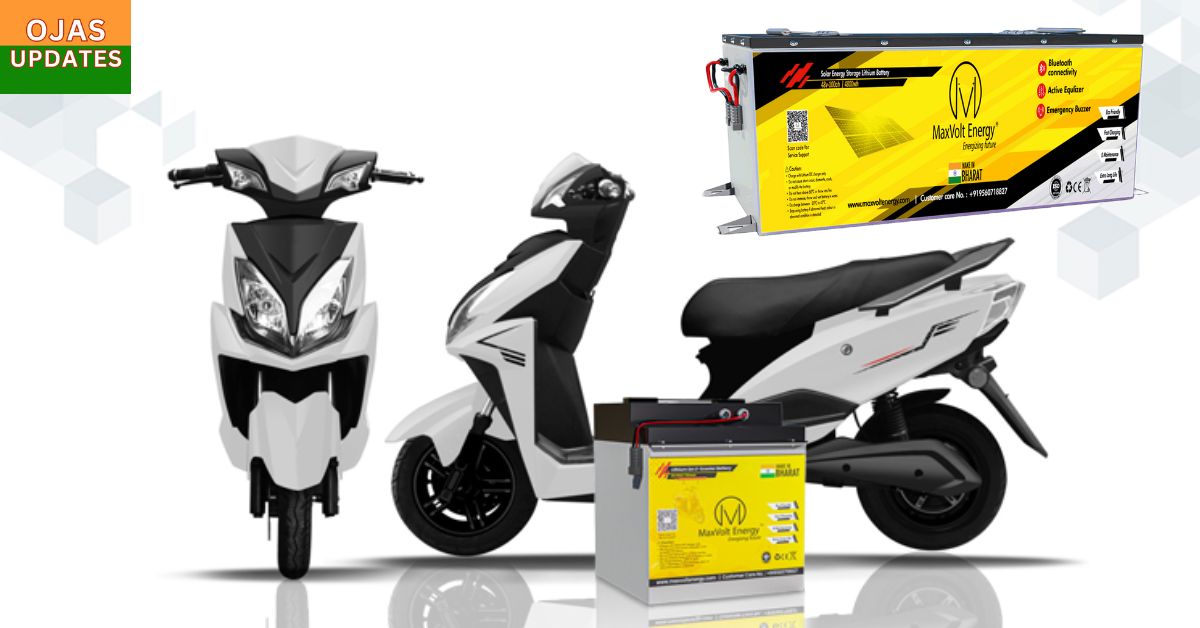
The global transition to clean energy is accelerating, and India is positioning itself as a key player in this transformation. One of the companies leading the charge is MaxVolt Energy, a rapidly growing innovator in energy storage solutions. In December 2025, MaxVolt announced a significant expansion of its manufacturing footprint with the establishment of a new 55,000 sq. ft. facility in the Duhai Industrial Area, Ghaziabad. This move is set to triple its lithium battery pack production capacity, marking a milestone not just for the company but for India’s broader clean energy ambitions.
Expansion Details
The new plant represents a strategic investment in scaling domestic battery production.
- 55,000 sq. ft. facility: Located in Duhai, Ghaziabad.
- Capacity boost: From 72,000 units annually to 225,000 units.
- Operational timeline: Expected to go live by February 2026.
- National reach: MaxVolt’s sales already cover nearly 70% of India, and this expansion will strengthen its supply chain.
This expansion underscores MaxVolt’s commitment to meeting the rising demand for energy storage solutions in India’s fast-growing EV and renewable energy sectors.
Why This Expansion Matters
India’s energy landscape is undergoing a rapid transformation, driven by government policies, consumer demand, and technological innovation. MaxVolt’s expansion is significant for several reasons:
- EV adoption: With electric vehicles gaining traction, reliable battery packs are critical.
- Renewable integration: Solar and wind projects require efficient storage solutions to balance supply and demand.
- Domestic manufacturing: Reduces reliance on imports, supporting India’s “Make in India” initiative.
- Job creation: Large-scale facilities bring employment opportunities to local communities.
By tripling its output, MaxVolt is positioning itself as a cornerstone in India’s clean energy ecosystem.
Technology and Innovation
MaxVolt Energy has built its reputation on innovation in lithium battery technology. The new facility will likely incorporate advanced manufacturing techniques to ensure efficiency and quality.
- Automated assembly lines: Enhancing precision and reducing costs.
- Quality assurance systems: Ensuring batteries meet international safety and performance standards.
- Scalable production: Designed to adapt to future demand surges.
These innovations will help MaxVolt compete with global players while maintaining affordability for Indian consumers.
Market Impact
The expansion will have ripple effects across multiple industries:
- Automotive sector: EV manufacturers will benefit from increased supply and potentially lower costs.
- Renewable energy projects: More reliable storage solutions will accelerate adoption.
- Consumer electronics: Portable devices and backup systems will see improved availability.
- Industrial applications: Factories and businesses can leverage advanced storage for uninterrupted operations.
By strengthening its production capacity, MaxVolt is not only meeting current demand but also preparing for the exponential growth expected in the coming decade.
Risks and Challenges
While the expansion is promising, there are challenges to consider:
- Raw material supply: Lithium and other critical minerals remain subject to global price volatility.
- Competition: Domestic and international players are also scaling up, intensifying market rivalry.
- Regulatory compliance: Ensuring adherence to evolving safety and environmental standards.
- Technology shifts: Emerging alternatives like solid-state batteries could disrupt the market.
MaxVolt’s ability to navigate these challenges will determine the long-term success of its expansion.
Conclusion
The new 55,000 sq. ft. plant in Duhai marks a turning point for MaxVolt Energy. By tripling its production capacity to 225,000 units annually, the company is making a bold statement about its role in India’s clean energy future. This expansion not only strengthens MaxVolt’s market position but also contributes to national goals of sustainability, self-reliance, and economic growth.