

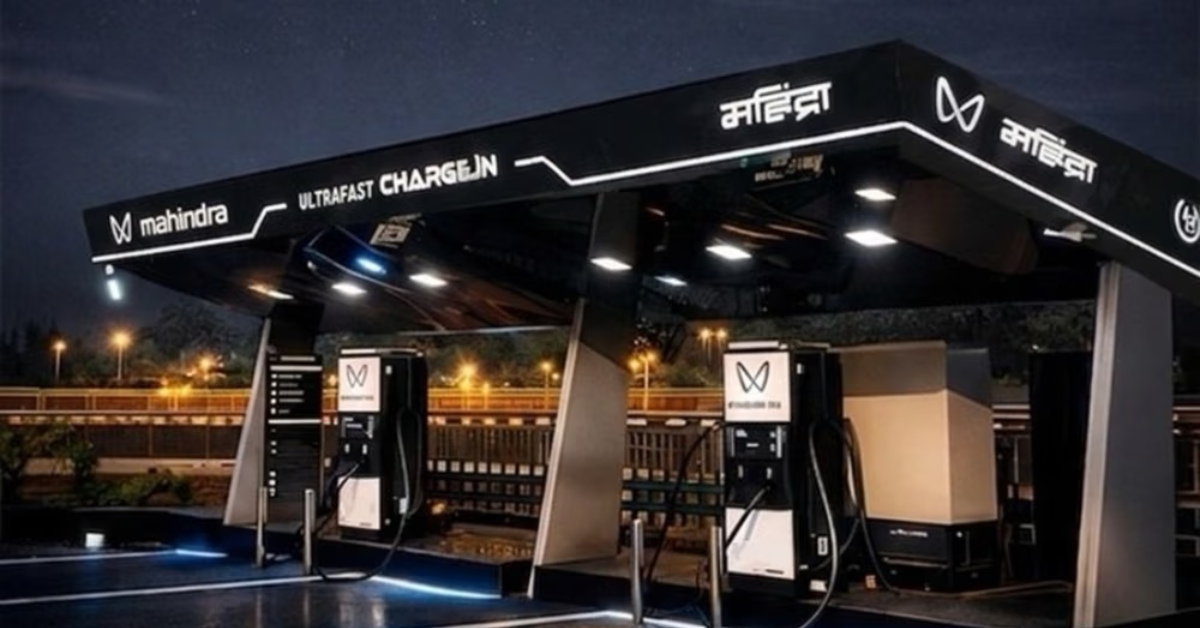
India is rapidly moving towards a cleaner and more sustainable future, with electric vehicles (EVs) playing a central role in this transformation. However, one of the biggest challenges in EV adoption has been the lack of a widespread and reliable charging infrastructure.
Addressing this critical gap, Mahindra and HPCL have partnered to expand the EV charging network across India. This collaboration is expected to significantly boost the country’s electric mobility ecosystem and make EV adoption more practical for millions of users.
This strategic move not only supports sustainability goals but also opens new opportunities for investment, innovation, and infrastructure development.
Understanding the Mahindra and HPCL Partnership
The partnership between Mahindra and HPCL is focused on creating a robust EV charging infrastructure across urban and rural areas.
Mahindra, known for its growing presence in the electric vehicle segment, brings expertise in EV technology and innovation. On the other hand, HPCL, with its vast network of fuel stations across India, provides the perfect platform to install charging stations at scale.
Together, they aim to:
- Expand EV charging stations across highways and cities
- Improve accessibility and convenience for EV users
- Support long-distance EV travel
- Accelerate the adoption of electric vehicles
This collaboration is a strategic step towards building a strong EV ecosystem in India.
Why EV Charging Infrastructure Matters
The success of electric vehicles depends heavily on the availability of charging stations. Without proper infrastructure, even the best EVs struggle to gain widespread acceptance.
Key challenges that this partnership aims to solve:
1. Range Anxiety
Many potential EV buyers hesitate due to concerns about running out of battery without access to a charging point. A wider network will reduce this fear.
2. Limited Charging Points
Currently, charging stations are concentrated in major cities. Expanding the network will ensure coverage in smaller towns and highways.
3. Charging Time Concerns
The introduction of fast-charging stations will significantly reduce waiting times, making EVs more convenient.
Expansion Strategy: Pan-India Coverage
One of the most important aspects of this partnership is its nationwide approach.
The plan is to install EV charging stations at key locations, including:
- Major highways for long-distance travel
- Urban centers for daily commuting
- Fuel stations for easy accessibility
- Commercial hubs and parking areas
HPCL’s existing infrastructure will play a crucial role in enabling quick deployment of charging stations across the country.
Boost to Electric Vehicle Adoption
This initiative is expected to play a major role in increasing EV adoption in India.
With better charging infrastructure:
- Consumers will feel more confident switching to EVs
- Businesses will invest more in electric fleets
- Ride-sharing and delivery services will adopt EVs faster
As a result, the overall demand for electric vehicles is likely to increase significantly in the coming years.
Impact on Sustainability and Environment
The shift towards electric mobility is essential for reducing pollution and achieving sustainability goals.
This partnership contributes to environmental benefits such as:
- Reduction in carbon emissions
- Lower dependence on fossil fuels
- Cleaner air in urban areas
- Support for renewable energy integration
By expanding the EV charging network, Mahindra and HPCL are helping India move closer to a greener future.
Technology and Innovation in Charging Solutions
The EV charging stations developed under this partnership are expected to feature advanced technology.
Key innovations may include:
- Fast-charging capabilities for quicker turnaround
- Smart charging systems with real-time monitoring
- Digital payment integration for convenience
- Mobile app support for locating charging stations
These features will enhance the overall user experience and make EV charging more efficient.
Economic and Investment Opportunities
The expansion of EV infrastructure is not just about sustainability—it also creates significant economic opportunities.
1. Job Creation
Setting up and maintaining charging stations will generate employment across multiple sectors.
2. Investment Growth
The EV sector is attracting strong investor interest, and infrastructure projects like this will further boost investments.
3. Business Opportunities
Entrepreneurs can explore opportunities in EV services, maintenance, and charging solutions.
4. Real Estate Value
Properties with EV charging facilities are likely to see increased demand and value.
Government Support and Policy Alignment
The partnership aligns with the government’s vision of promoting electric mobility in India.
Various initiatives and policies are already in place to support EV adoption, including incentives for buyers and infrastructure development.
By collaborating with HPCL, Mahindra is contributing to these national goals and accelerating progress in the EV sector.
Challenges and Future Outlook
While the partnership is a significant step forward, there are still challenges to address:
- High initial investment costs
- Need for standardization of charging systems
- Ensuring consistent power supply
- Educating consumers about EV benefits
However, with strong collaboration and continuous innovation, these challenges can be overcome.
The future of EV infrastructure in India looks promising, with more partnerships and advancements expected in the coming years.
Why This Partnership is a Game-Changer
The Mahindra and HPCL collaboration stands out for several reasons:
- Combines automotive expertise with infrastructure strength
- Enables rapid expansion of charging stations
- Supports long-term EV growth
- Enhances convenience for users
This partnership has the potential to transform how people perceive and use electric vehicles in India.
What It Means for Consumers
For everyday consumers, this development brings multiple benefits:
- Easier access to charging stations
- Reduced travel limitations for EV owners
- Lower running costs compared to fuel vehicles
- Contribution to a cleaner environment
This makes electric vehicles a more practical and attractive option for Indian buyers.
Conclusion: Driving India Towards an Electric Future
The partnership between Mahindra and HPCL marks a significant milestone in India’s journey towards electric mobility. By expanding the EV charging network across the country, they are addressing one of the biggest challenges in EV adoption.
This initiative not only supports sustainability but also creates new opportunities for growth, investment, and innovation. As infrastructure improves, electric vehicles are expected to become a mainstream choice for consumers.
With strong collaborations like this, India is steadily moving towards a future where electric mobility is not just an option but a standard.