
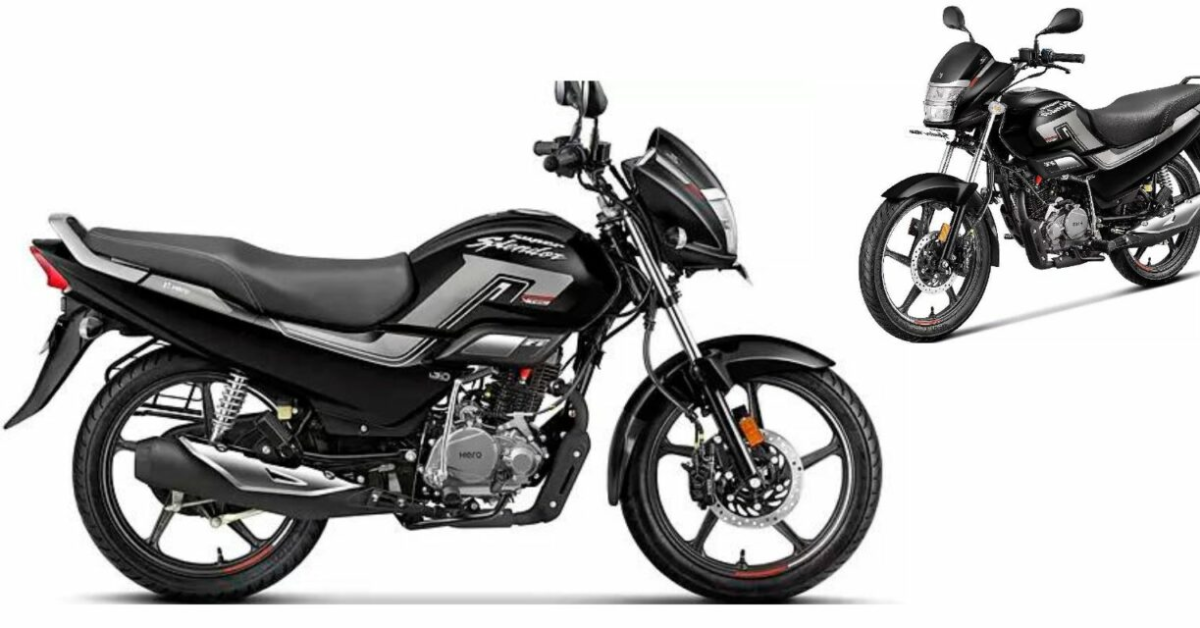
India’s automotive industry has reached a historic milestone as two-wheeler registrations have crossed 20 million units in FY26. This record-breaking achievement highlights the strength and resilience of the Indian two-wheeler market, which continues to be one of the largest in the world.
With increasing demand for affordable mobility, rising fuel costs, and rapid urbanization, two-wheelers remain the preferred mode of transport for millions of Indians. This growth also reflects evolving consumer preferences, technological advancements, and the expanding reach of the automotive sector across urban and rural regions.
A Historic Milestone for the Indian Automotive Market
Crossing the 20 million mark in registrations is a significant achievement for the industry. It indicates strong consumer demand and a robust recovery from past market fluctuations.
Key reasons behind this growth include:
- Increasing need for affordable transportation
- Rising population and urban expansion
- Growth in rural and semi-urban markets
- Improved financing and loan accessibility
This milestone underscores the importance of two-wheelers as a backbone of India’s mobility ecosystem.
Commuter Segment Driving Volume Growth
The commuter bike segment continues to dominate the market, contributing the largest share to total registrations. These bikes are popular due to their affordability, fuel efficiency, and low maintenance costs.
Models like the Bajaj Platina and Hero Splendor have consistently performed well in this segment.
Why commuter bikes remain popular:
- High fuel efficiency
- Budget-friendly pricing
- Durable and reliable performance
- Strong service network across India
For daily commuters and rural users, these bikes offer unmatched value for money.
Rise of Premium Motorcycles and Lifestyle Bikes
While the commuter segment leads in volume, premium motorcycles are witnessing rapid growth. Brands like KTM and Royal Enfield are benefiting from this trend.
Consumers are increasingly opting for:
- Higher engine capacity bikes
- Stylish and performance-oriented models
- Advanced features and technology
This shift is driven by rising disposable income and changing lifestyle preferences, especially among younger buyers.
Electric Two-Wheelers Gaining Momentum
Electric vehicles are playing a crucial role in shaping the future of the two-wheeler market. Models like the Bajaj Chetak and Ola S1 Pro are becoming increasingly popular.
Key factors driving EV adoption:
- Rising fuel prices
- Lower running costs
- Government incentives and subsidies
- Growing environmental awareness
Electric scooters, in particular, are gaining traction in urban areas due to their convenience and eco-friendly nature.
Urban vs Rural Demand Dynamics
The growth in registrations is not limited to metro cities. Rural and semi-urban markets are contributing significantly to this milestone.
Urban Markets:
- Higher demand for premium bikes and electric scooters
- Focus on features, performance, and technology
Rural Markets:
- Strong demand for commuter bikes
- Emphasis on affordability and durability
This balanced demand across regions is fueling overall market growth.
Impact of Financing and Easy Loans
One of the key drivers behind the surge in registrations is the availability of easy financing options. Banks and financial institutions are offering:
- Low down payment schemes
- Flexible EMI options
- Quick loan approvals
This has made it easier for consumers to purchase two-wheelers, even in lower-income segments.
Role of Digitalization and Online Platforms
Digital transformation has also contributed to the growth of the two-wheeler market. Buyers can now:
- Compare models online
- Access detailed reviews and specifications
- Book vehicles digitally
- Explore financing options from home
This convenience has made the buying process faster and more transparent.
Challenges Facing the Industry
Despite the strong growth, the two-wheeler industry faces several challenges:
- Rising input and manufacturing costs
- Supply chain disruptions
- Increasing competition
- Need for EV infrastructure expansion
Addressing these challenges will be crucial for sustaining long-term growth.
Future Outlook of the Two-Wheeler Market
The Indian two-wheeler market is expected to continue its upward trajectory in the coming years.
Key future trends:
- Increased adoption of electric vehicles
- Growth in premium motorcycle segment
- Technological advancements in safety and connectivity
- Expansion into rural and semi-urban markets
Manufacturers will focus on innovation and customer-centric strategies to maintain growth momentum.
What This Means for Consumers
For buyers, this record growth translates into:
- Wider range of options
- Competitive pricing
- Better features and technology
- Improved after-sales service
Whether you are looking for a budget commuter bike or a high-performance motorcycle, the market offers something for everyone.
Final Verdict: A Strong Growth Story
The milestone of 20 million two-wheeler registrations in FY26 reflects the strength and potential of the Indian automotive industry.
Key highlights:
- Record-breaking registrations
- Strong demand across segments
- Rapid EV adoption
- Growth in both urban and rural markets
Conclusion
India’s two-wheeler market is entering a new phase of growth and transformation. The record-breaking registrations in FY26 highlight the increasing importance of two-wheelers in everyday life.
From fuel-efficient commuter bikes like the Hero Splendor to advanced electric models like the Ola S1 Pro, the market is evolving rapidly to meet diverse consumer needs.
As technology advances and infrastructure improves, the future of the Indian two-wheeler industry looks brighter than ever. This milestone is not just a number—it is a reflection of India’s growing mobility ecosystem and economic progress.