
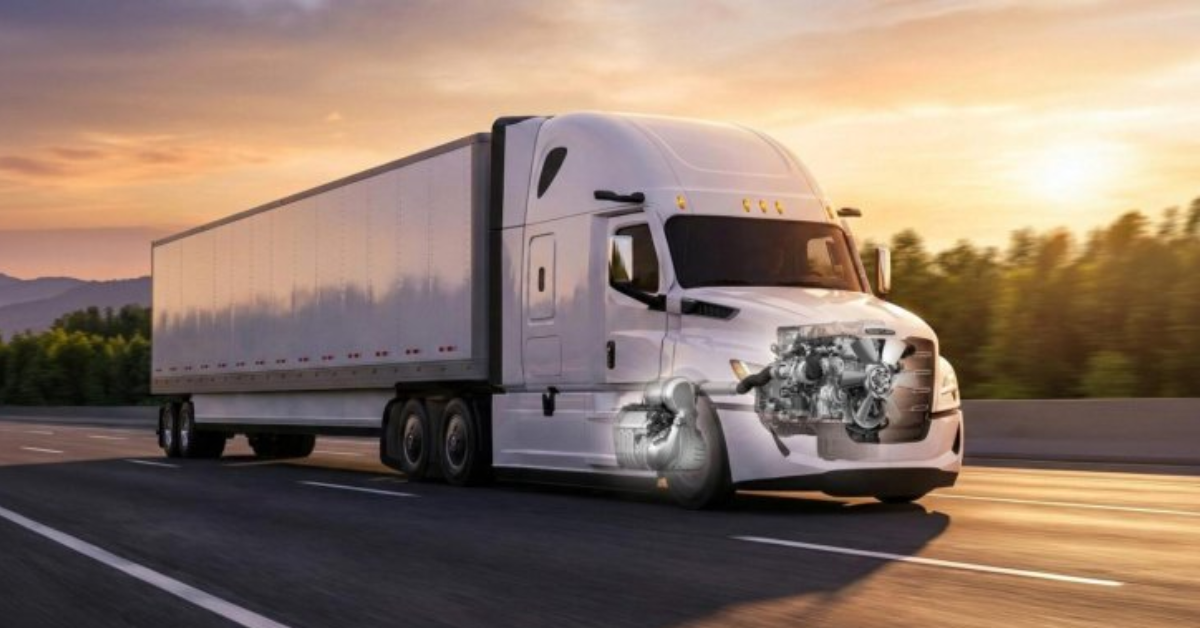
In a major development for the commercial transportation and heavy-duty trucking industry, Daimler Truck has officially introduced its next-generation Detroit Gen 6 engine platform, engineered to meet stringent 2027 emissions regulations while delivering improved fuel efficiency and long-term fleet profitability.
Built under the renowned Detroit Diesel badge, the Gen 6 lineup represents a significant leap forward in clean diesel technology, advanced aftertreatment systems, and total cost of ownership optimization.
For fleet operators, logistics providers, and commercial vehicle investors, this launch marks a pivotal moment in regulatory compliance and sustainable heavy-duty performance.
Here’s a complete 1000-word breakdown of what the Detroit Gen 6 engines mean for the trucking industry.
The 2027 Emissions Challenge
Global environmental standards are tightening rapidly, especially in North America. The 2027 emissions rules aim to:
- Reduce nitrogen oxide (NOx) emissions
- Lower particulate matter output
- Improve cold-start emission control
- Enhance real-world emissions durability
Heavy-duty trucks play a major role in freight logistics, making emissions reduction in this sector critical for environmental sustainability and regulatory compliance.
Daimler’s Gen 6 engines are designed specifically to address these next-generation standards.
What Makes Detroit Gen 6 Different?
The Gen 6 platform isn’t just a software update — it’s a comprehensive mechanical and technological overhaul.
Key Upgrades Include:
- Advanced aftertreatment system redesign
- Improved exhaust gas recirculation (EGR) system
- Enhanced turbocharging efficiency
- Refined fuel injection precision
- Reduced internal engine friction
These enhancements aim to balance emissions compliance with fuel economy — a top priority for commercial fleet operators.
Fuel Efficiency & Cost Savings
One of the biggest concerns about stricter emissions regulations is the potential increase in operating costs. Daimler addresses this through:
- Improved combustion efficiency
- Optimized aerothermal management
- Reduced parasitic losses
- Enhanced predictive maintenance integration
Fleet owners stand to benefit from:
- Lower diesel consumption
- Reduced maintenance downtime
- Extended engine durability
- Improved residual vehicle value
In high-CPC commercial search markets like fleet management and diesel efficiency, these benefits directly impact purchasing decisions.
Advanced Aftertreatment Technology
The 2027 emissions standards demand substantial NOx reduction.
Detroit Gen 6 engines feature:
- Next-gen selective catalytic reduction (SCR) systems
- Enhanced diesel particulate filters (DPF)
- Faster light-off temperature achievement
- Improved thermal management strategies
These improvements ensure compliance even in low-load and cold-start operating conditions — traditionally challenging areas for diesel engines.
Integration With Smart Fleet Technology
Modern trucking relies heavily on telematics and digital fleet monitoring.
Daimler integrates Gen 6 engines with:
- Advanced onboard diagnostics
- Real-time performance tracking
- Predictive service alerts
- Remote emissions monitoring
This data-driven ecosystem improves fleet uptime and operational transparency.
Engine Performance & Durability
Despite tighter emissions compliance, performance remains strong.
Expected advantages include:
- High torque output for heavy hauling
- Smooth power delivery
- Improved engine braking efficiency
- Optimized highway fuel economy
Daimler emphasizes that Gen 6 engines maintain the reliability standards that Detroit engines are known for.
Sustainability Strategy & Market Positioning
The heavy-duty transportation industry is transitioning toward alternative fuels and electrification. However, diesel engines will remain critical for long-haul freight in the near future.
By investing in clean diesel innovation, Daimler:
- Extends the viability of combustion engines
- Reduces environmental impact
- Supports transitional sustainability goals
- Strengthens its market leadership
This dual approach — advancing diesel while investing in zero-emission solutions — positions Daimler competitively in global markets.
Total Cost of Ownership (TCO) Impact
For fleet managers, the real question is financial performance.
Detroit Gen 6 engines aim to optimize:
- Fuel cost per mile
- Maintenance intervals
- Component longevity
- Resale value
Regulatory compliance combined with cost efficiency ensures fleet investments remain profitable.
Competitive Landscape
Heavy-duty engine manufacturers face intense competition in:
- Fuel efficiency benchmarks
- Emissions compliance
- Engine durability
- Digital fleet integration
Daimler’s early compliance with 2027 standards could provide a strategic advantage, allowing customers to transition smoothly before regulatory deadlines.
Industry Implications
The introduction of Gen 6 engines signals broader industry trends:
- Increasing integration of emissions and digital technology
- Greater emphasis on sustainability metrics
- Stricter real-world compliance enforcement
- Investment in clean diesel alongside electrification
Manufacturers that fail to innovate risk losing market share in highly regulated freight markets.
Long-Term Outlook for Diesel Technology
While electric and hydrogen trucks gain traction, diesel engines continue to dominate long-haul transport due to:
- Refueling infrastructure
- Range capability
- Payload efficiency
- Operational familiarity
Gen 6 engines represent a bridge between current diesel dependency and future alternative propulsion systems.
Why Fleet Operators Should Pay Attention
If you manage commercial vehicles, the Gen 6 platform offers:
- Regulatory future-proofing
- Lower lifecycle emissions
- Improved operating efficiency
- Competitive compliance positioning
Early adoption may provide advantages in regions where emissions regulations tighten rapidly.
Final Verdict
The unveiling of Detroit Gen 6 engines by Daimler Truck represents a forward-thinking approach to balancing environmental responsibility with commercial performance.
By combining:
- 2027 emissions compliance
- Advanced aftertreatment technology
- Enhanced fuel efficiency
- Smart telematics integration
- Long-term durability
Daimler reinforces its leadership in the heavy-duty trucking industry.
For fleet owners, logistics operators, and commercial vehicle investors, the Gen 6 engines deliver more than regulatory compliance — they offer a strategic pathway toward sustainable, profitable operations in an evolving transportation landscape.
Clean diesel innovation is far from over — and Detroit Gen 6 proves that performance and sustainability can move forward together.