
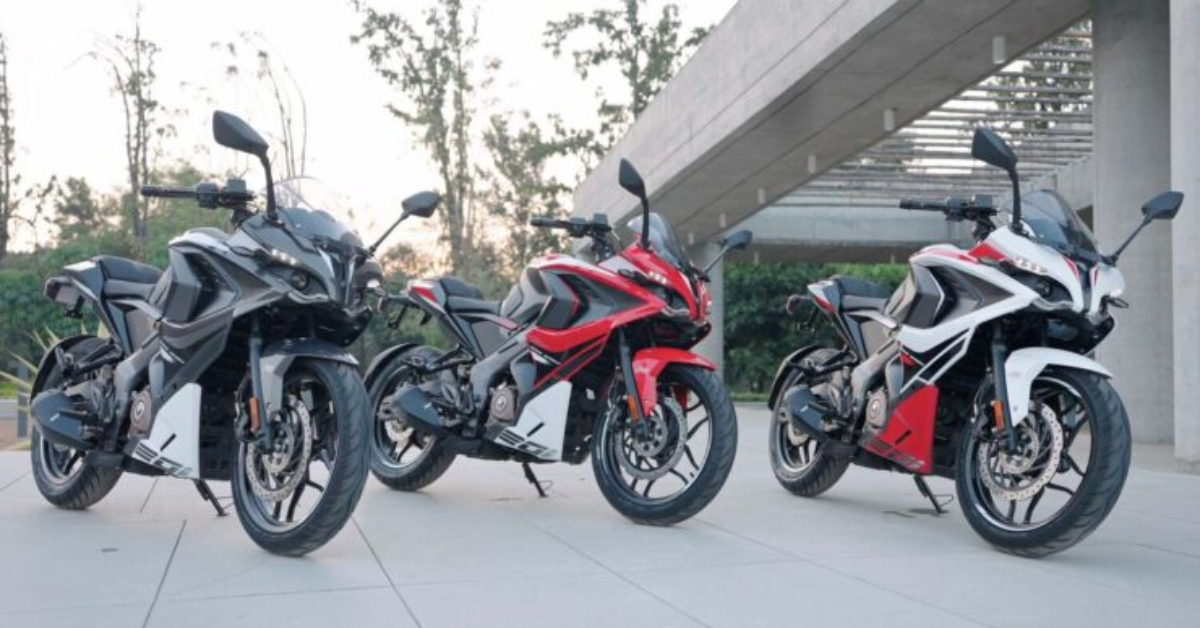
The Indian two-wheeler market continues to showcase dynamic growth, with February 2026 sales figures highlighting strong performances across both commuter and premium motorcycle segments. Brands like Bajaj Auto, KTM, and Triumph Motorcycles have played a significant role in shaping current market trends.
From fuel-efficient commuter bikes to high-performance machines, the market is witnessing diverse demand patterns driven by changing consumer preferences, rising disposable income, and increasing interest in premium mobility.
Overview of February 2026 Sales Performance
The February 2026 sales report indicates steady growth in the two-wheeler segment. While commuter motorcycles continue to dominate in volume, premium bikes are gaining traction at a rapid pace.
Key highlights include:
- Strong demand for entry-level commuter bikes
- Growing popularity of premium motorcycles
- Increasing adoption of electric scooters
- Balanced performance across urban and rural markets
This balanced growth reflects the evolving nature of the Indian automotive landscape.
Bajaj Auto: Leading the Volume Game
Bajaj Auto continues to maintain a strong presence in the Indian market, driven by its wide product portfolio.
1. Bajaj Pulsar – The Performance Commuter King
The Bajaj Pulsar series remains a top contributor to Bajaj’s sales. Known for its sporty design and reliable performance, it appeals to both young riders and daily commuters.
Key factors driving sales:
- Strong brand recognition
- Wide range of engine options
- Affordable pricing with premium appeal
- Balanced performance and fuel efficiency
2. Bajaj Platina – Mileage Champion
The Bajaj Platina continues to attract budget-conscious buyers looking for high fuel efficiency and low maintenance costs.
Key highlights:
- Exceptional mileage
- Comfortable riding experience
- Affordable ownership cost
- Strong demand in rural markets
3. Bajaj Chetak – EV Growth Driver
The Bajaj Chetak is playing a crucial role in Bajaj’s entry into the electric vehicle segment.
Why it’s gaining traction:
- Premium design and build quality
- Eco-friendly performance
- Low running costs
- Increasing urban demand
The success of Chetak reflects the growing acceptance of electric mobility in India.
KTM: Dominating the Premium Performance Segment
KTM continues to lead the premium motorcycle segment with its high-performance offerings.
1. KTM Duke – Street Performance Leader
The KTM Duke lineup remains a favorite among enthusiasts who prioritize performance and aggressive styling.
Key strengths:
- Powerful engine performance
- Advanced technology features
- Lightweight design
- Strong brand appeal among youth
2. KTM RC Series – Track-Inspired Machines
While not mentioned in headline, KTM’s RC series also contributes to the brand’s premium positioning, attracting riders interested in sports biking.
Triumph Motorcycles: Expanding Premium Reach
Triumph Motorcycles has been steadily expanding its footprint in India, especially with more accessible premium motorcycles.
1. Bajaj Dominar – Power Meets Touring Comfort
The Bajaj Dominar, developed with KTM influence, continues to perform well in the touring segment.
Key highlights:
- Strong engine performance
- Comfortable long-distance riding
- Premium features
- Value-for-money positioning
2. Entry-Level Premium Bikes Boosting Growth
Triumph’s strategy of introducing relatively affordable premium bikes is helping it attract a new segment of buyers who want to upgrade from commuter motorcycles.
Key Market Trends in February 2026
1. Shift Toward Premium Motorcycles
There is a clear shift in consumer preference toward premium and performance-oriented motorcycles. Buyers are willing to spend more for better features and riding experience.
2. Continued Dominance of Commuter Segment
Despite premium growth, commuter bikes like the Bajaj Platina still dominate in terms of overall sales volume.
3. Electric Vehicles Gaining Momentum
Electric scooters such as the Bajaj Chetak are becoming increasingly popular, especially in urban areas.
4. Youth-Driven Demand
Younger buyers are driving demand for stylish and high-performance bikes like the KTM Duke.
Urban vs Rural Demand Dynamics
The February 2026 sales data also highlights differences between urban and rural markets:
Urban Areas:
- Higher demand for premium bikes and EVs
- Focus on technology and design
Rural Areas:
- Strong demand for fuel-efficient commuter bikes
- Emphasis on affordability and durability
This dual demand pattern is shaping product strategies for manufacturers.
Impact on the Indian Two-Wheeler Industry
The performance of Bajaj Auto, KTM, and Triumph Motorcycles reflects broader industry trends:
- Increased competition across segments
- Rapid innovation in technology
- Expansion of electric mobility
- Growing importance of brand positioning
These factors are driving the evolution of the Indian two-wheeler market.
What This Means for Buyers
For consumers, this market shift offers several benefits:
- More choices across price segments
- Access to advanced features and technology
- Better financing and ownership options
- Improved product quality and performance
Whether you are a daily commuter or a performance enthusiast, the market now caters to a wide range of needs.
Future Outlook
The Indian two-wheeler market is expected to continue its growth trajectory, with key focus areas including:
- Expansion of electric vehicles
- Growth in premium motorcycle segment
- Technological advancements
- Increased focus on sustainability
Manufacturers will need to innovate continuously to meet evolving consumer expectations.
Conclusion
The February 2026 sales performance of Bajaj Auto, KTM, and Triumph Motorcycles highlights the dynamic nature of the Indian two-wheeler market.
From the reliable Bajaj Platina to the high-performance KTM Duke and the eco-friendly Bajaj Chetak, the market is evolving to meet diverse consumer needs.
As trends continue to shift, one thing is clear—the future of the Indian two-wheeler industry will be driven by innovation, performance, and sustainability.