
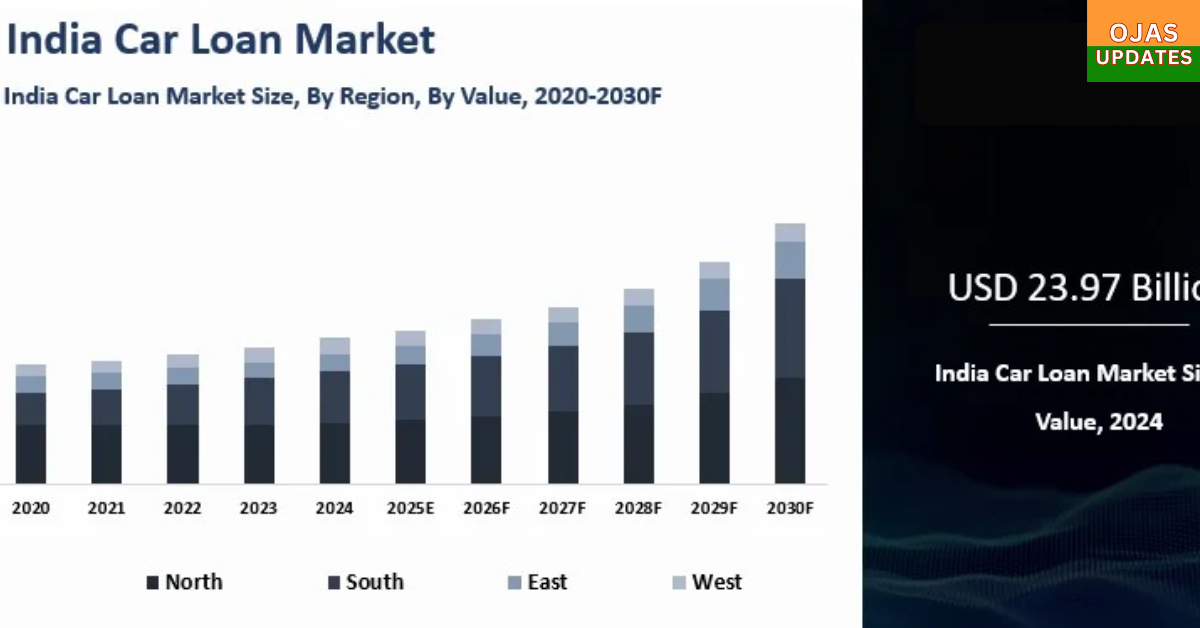
India’s automotive sector is experiencing a significant shift. Driven by a growing middle class, rising disposable incomes, and an expanding network of highways, owning a personal vehicle has transitioned from a luxury to a primary aspiration for millions of households.
However, the way Indians buy cars has radically evolved. Rather than dipping into lifelong savings to make a massive upfront cash payment, contemporary buyers are overwhelmingly leaning into structured financing. In fact, overall consumer credit demand has surged, turning the Indian auto loan market into a highly competitive, tech-driven playground for banks, NBFCs, and digital fintechs. Whether you are eyeing a family SUV, a sleek sedan, or your very first electric vehicle (EV), here is an insider look at how India’s auto financing market shapes up today.
The Big Players: Who is Financing India’s Mobility?
The Indian auto lending ecosystem is highly robust, consisting of three main categories of financiers that vie for a slice of the growing retail market:
- Public Sector Banks (PSBs): Led by institutions like the State Bank of India (SBI), Bank of Baroda, and Union Bank of India, PSBs consistently anchor the market with the lowest available interest rates. They offer incredible stability, minimum starting rates ranging between 7.50% and 8.80% p.a., and highly consumer-friendly policies such as zero foreclosure or prepayment penalties. Stashfin
- Private Sector Banks: Powerhouses like HDFC Bank, ICICI Bank, and Axis Bank dominate urban center markets. While their base interest rates can sit marginally higher than PSBs (starting around 8.15% to 8.75% p.a.), they lead the pack in pure convenience, offering instant digital approvals and integrated banking perks. Stashfin
- Non-Banking Financial Companies (NBFCs): Giants like Mahindra Finance, Sundaram Finance, and Shriram Finance hold a commanding share of the auto financing market—especially across Tier-2, Tier-3, and rural landscapes. They have a higher risk appetite and offer flexible, customized underwriting structures for agriculturalists or self-employed individuals who lack formal income proofs like salary slips or formal ITRs.
Emerging Market Drivers shaping the Landscape
Several distinct trends are changing the mechanics of how auto loans are disbursed and structured across India:
1. The Digital Revolution and the Account Aggregator Framework
The days of submitting stacks of physical bank statements and identity proofs are gone. Thanks to the widespread integration of the Account Aggregator (AA) framework and e-KYC workflows, lenders can pull verified digital financial data instantly with your consent. Platforms like HDFC’s Xpressway or ICICI’s iMobile Pay now routinely disburse fully digital, paperless car loans in less than 15 to 30 minutes for pre-approved users.
2. The Exponential Surge in Used Car Financing
Driven by a widening affordability gap following the transition to stringent BS-VI compliance and higher new car insurance tariffs, India’s pre-owned car market is booming. Historically a highly fragmented segment, used car financing has organized rapidly. Buyers can now easily secure up to 90% to 100% of a pre-owned vehicle’s audited valuation, with tenures averaging between 3 to 5 years, making second-hand upgrades highly accessible to budget-conscious first-time buyers.
3. Specialized “Green” EV Loans
With major automakers like Tata, Mahindra, and Hyundai rolling out mainstream electric vehicle portfolios, lenders have introduced dedicated Green Car Loans. To accelerate India’s electric mobility goals, major banks offer attractive eco-incentives, including custom 0.25% to 0.50% interest rate concessions on EVs, waived processing fees, and extended repayment tenures stretching out to 8 years.
Stashfin+ 1
Budgeting Smartly: Decoding the Math
Before stepping into a dealership gallery, it is vital to mathematically align your monthly liabilities with your formal cash flows. Rather than accepting a dealer’s bundled loan packet, use a digital Car Loan EMI Calculator to assess your financing.
- P = Principal amount borrowed
- R = Monthly interest rate (Annual rate divided by 12)
- N = Loan repayment tenure in months
To maximize your savings, keep your CIBIL score above 750. A premium credit profile functions as excellent leverage, enabling you to secure up to 100% on-road funding (which rolls road tax, registration, and initial comprehensive insurance directly into the loan) at the absolute lowest interest brackets.
Stashfin
Traps to Avoid When Signing the Dotted Line
Fixed vs. Floating Rates: Carefully evaluate your risk tolerance before choosing your interest structure. A fixed interest rate guarantees that your EMIs stay identical throughout the loan tenure, making budgeting completely predictable. A floating rate changes alongside RBI repo rate movements; while it can offer savings if market rates decline, it risks extending your tenure or increasing your EMIs if inflation spikes.
BankBazaar
Look Beyond the Headline Interest Rate: A low headline interest rate can sometimes mask high administrative processing fees, hidden loan documentation charges, or steep prepayment penalties. Always compare the true Annual Percentage Rate (APR) across different banks before finalizing a lender.
Final Word
The Indian auto loan market is more buyer-friendly than ever, characterized by hyper-competitive interest rates, specialized EV options, and lightning-fast digital onboarding. By maintaining an excellent credit score, checking your budget using a digital calculator, and shopping around across public, private, and NBFC channels, you can comfortably secure a loan that sets you up for a smooth ride down the open road!