
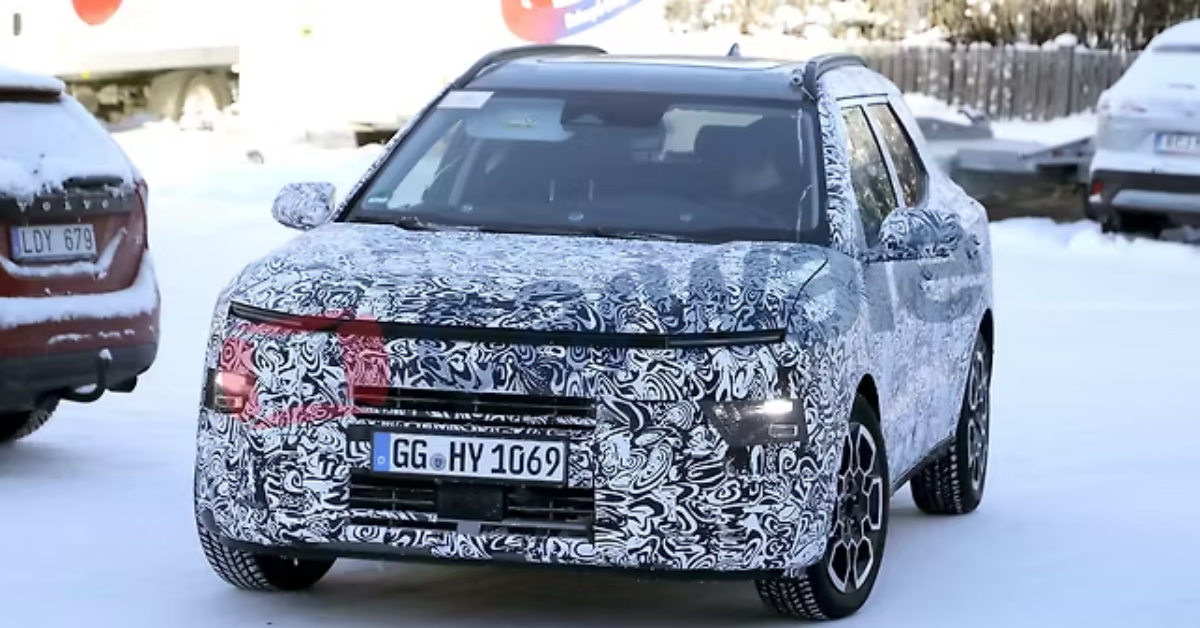
India’s electric vehicle market is entering a new phase of growth. Rising fuel prices, expanding charging infrastructure, government support for cleaner transportation, and increasing consumer awareness have accelerated the adoption of electric mobility across the country. As competition intensifies, major automobile manufacturers are investing heavily in local production and affordable electric vehicle development.
Among these companies, Hyundai is taking a significant step forward by utilizing its Tamil Nadu manufacturing facility for the production of a new sub-4 meter electric vehicle. This move highlights the company’s long-term commitment to the Indian market and its ambition to become a stronger player in the rapidly growing EV segment.
The decision is important for several reasons. It reflects Hyundai’s confidence in India’s EV future, demonstrates the growing importance of local manufacturing, and signals the arrival of a more accessible electric vehicle aimed at mass-market buyers.
Let’s explore what this development means for Hyundai, Indian consumers, and the future of electric mobility.
Why the Sub-4 Meter Segment Matters
The sub-4 meter category has become one of the most important segments in the Indian automotive market.
Several factors contribute to its popularity:
- Affordable pricing
- Easy urban maneuverability
- Lower ownership costs
- Better parking convenience
- Strong demand among first-time buyers
Compact vehicles continue to attract customers who need practical transportation solutions without sacrificing modern features.
For Hyundai, entering this segment with a dedicated electric vehicle could unlock significant growth opportunities.
Hyundai’s Expanding EV Vision
Over the past few years, Hyundai has steadily strengthened its electric mobility strategy.
The company understands that future success will depend on:
- Electrification
- Local manufacturing
- Competitive pricing
- Advanced technology
- Sustainable transportation
The upcoming sub-4 meter EV appears to align perfectly with these goals.
A Shift Toward Mass-Market Electrification
Premium electric vehicles help showcase technology, but mass-market products drive adoption.
By focusing on a compact EV, Hyundai is targeting:
- Urban commuters
- Young professionals
- Small families
- First-time EV buyers
This broader audience could significantly expand the company’s EV customer base.
Why the Tamil Nadu Facility Is Important
Manufacturing location plays a crucial role in vehicle pricing and production efficiency.
Hyundai’s Tamil Nadu facility has long been one of its most important manufacturing hubs.
Strong Production Capabilities
The facility offers:
- Advanced manufacturing infrastructure
- Experienced workforce
- Efficient logistics network
- Large-scale production capability
These strengths make it an ideal location for EV manufacturing.
Cost Optimization Benefits
Local production can help reduce:
- Import expenses
- Transportation costs
- Supply chain complexity
As a result, Hyundai may be able to offer more competitive pricing.
Faster Market Response
Domestic manufacturing also enables:
- Quicker production adjustments
- Improved inventory management
- Faster customer deliveries
These advantages become increasingly valuable in a competitive market.
What Buyers Can Expect from the Upcoming EV
Although detailed specifications may emerge later, several expectations are already forming.
Compact Yet Practical Design
The new electric vehicle is expected to focus on:
- Urban-friendly dimensions
- Modern styling
- Efficient packaging
- Everyday practicality
Compact dimensions remain important for city driving.
Distinctive EV Identity
Hyundai is likely to differentiate the vehicle through:
- Unique lighting elements
- Aerodynamic styling
- EV-specific design features
- Futuristic details
These design cues help establish a modern identity.
Battery Technology Will Be Key
Battery performance remains one of the most important considerations for EV buyers.
Practical Driving Range
Consumers increasingly demand electric vehicles that can comfortably handle daily travel requirements.
Expected priorities include:
- Consistent real-world range
- Reliable battery performance
- Efficient energy management
- Reduced range anxiety
A balanced approach will likely be essential.
Fast Charging Compatibility
Charging convenience continues to influence purchasing decisions.
Potential benefits may include:
- Reduced charging times
- Improved long-distance usability
- Greater ownership flexibility
Fast charging support has become an important competitive advantage.
Advanced Technology Features
Hyundai has built a strong reputation for offering feature-rich vehicles.
The upcoming EV is expected to continue this tradition.
Connected Vehicle Functions
Modern buyers increasingly expect:
- Smartphone integration
- Remote monitoring
- Vehicle tracking
- Smart charging controls
These features improve convenience and usability.
Digital Cabin Experience
Potential technology highlights may include:
- Large infotainment displays
- Digital instrument clusters
- Voice recognition systems
- Advanced user interfaces
Technology will likely play a major role in the vehicle’s appeal.
Safety Will Remain a Priority
Safety expectations have evolved significantly in recent years.
Consumers now prioritize protection alongside performance and efficiency.
Expected Safety Equipment
The upcoming EV may feature:
- Multiple airbags
- Electronic stability systems
- Advanced braking technologies
- Parking assistance systems
These features could strengthen customer confidence.
Structural Integrity
Electric vehicles require carefully engineered structures to protect both passengers and battery systems.
Hyundai is expected to focus heavily on this area.
Potential Market Positioning
Pricing will ultimately determine the vehicle’s success.
Affordable EV Strategy
Many buyers are interested in electric vehicles but remain concerned about affordability.
A competitively priced sub-4 meter EV could address this challenge.
Benefits include:
- Wider market appeal
- Increased EV adoption
- Better accessibility
This strategy could help Hyundai attract new customers.
Competing for Volume
Rather than targeting a niche audience, Hyundai appears to be preparing for volume-driven growth.
This approach aligns with the long-term direction of the Indian EV market.
How This EV Could Change Hyundai’s Position
The company already enjoys strong brand recognition in India.
However, success in the affordable EV segment could further strengthen its market standing.
Expanding Customer Reach
The new EV may appeal to:
- Existing Hyundai owners
- First-time car buyers
- Environmentally conscious consumers
- Urban professionals
This broad customer base could drive substantial demand.
Strengthening Brand Image
A successful affordable EV can reinforce Hyundai’s reputation for:
- Innovation
- Technology
- Reliability
- Future-focused mobility
These qualities are increasingly important in the modern automotive landscape.
Benefits for Indian Consumers
The introduction of a locally manufactured compact EV offers several advantages.
More Choice
Consumers benefit when manufacturers introduce additional options.
Greater competition often leads to:
- Better features
- Improved technology
- Competitive pricing
This ultimately enhances buyer value.
Lower Ownership Costs
Electric vehicles typically offer:
- Reduced fuel expenses
- Lower maintenance requirements
- Improved operational efficiency
These benefits are particularly attractive to high-mileage users.
Future-Ready Transportation
Many buyers are now planning for the future rather than focusing solely on immediate requirements.
Electric mobility aligns with this mindset.
Challenges Hyundai Must Address
Despite the opportunities, several challenges remain.
Competitive EV Market
The affordable EV segment is becoming increasingly crowded.
Success will require:
- Strong product differentiation
- Competitive pricing
- Reliable performance
Charging Infrastructure Perception
Although infrastructure continues to improve, some consumers remain concerned about charging availability.
Hyundai must ensure buyers feel confident about ownership.
Range Expectations
Modern customers expect practical driving range.
Balancing affordability and battery capacity will be critical.
Why This Development Matters for India’s EV Future
The decision to manufacture a sub-4 meter EV locally demonstrates confidence in India’s electric mobility potential.
It also reflects broader industry trends:
- Increased localization
- Affordable electrification
- Growing EV demand
- Expanding manufacturing investment
Such developments help accelerate the country’s transition toward cleaner transportation.
Who Should Be Excited About This Upcoming Hyundai EV?
The vehicle could be particularly attractive for:
Urban Commuters
Who need:
- Compact dimensions
- Low running costs
- Easy maneuverability
First-Time EV Buyers
Who want:
- Affordable ownership
- Practical range
- Modern technology
Young Professionals
Who value:
- Advanced connectivity
- Stylish design
- Sustainable transportation
These groups represent a significant portion of future EV demand.
Final Verdict
Hyundai’s decision to utilize its Tamil Nadu manufacturing facility for the production of a new sub-4 meter electric vehicle represents a major step in the company’s Indian growth strategy. By focusing on local manufacturing, affordable electrification, and modern technology, Hyundai is positioning itself to compete more aggressively in one of the fastest-growing segments of the automotive industry.
The upcoming EV has the potential to attract a wide range of buyers, from first-time electric vehicle owners to urban commuters seeking cost-effective and environmentally friendly transportation. If Hyundai successfully combines competitive pricing, practical driving range, advanced features, and strong safety credentials, the new model could become a significant milestone in India’s EV journey.
More importantly, this initiative signals that affordable electric mobility is moving closer to becoming a mainstream reality. As local production expands and manufacturers continue investing in electric technology, consumers can expect more choices, better value, and a faster transition toward the future of transportation.