
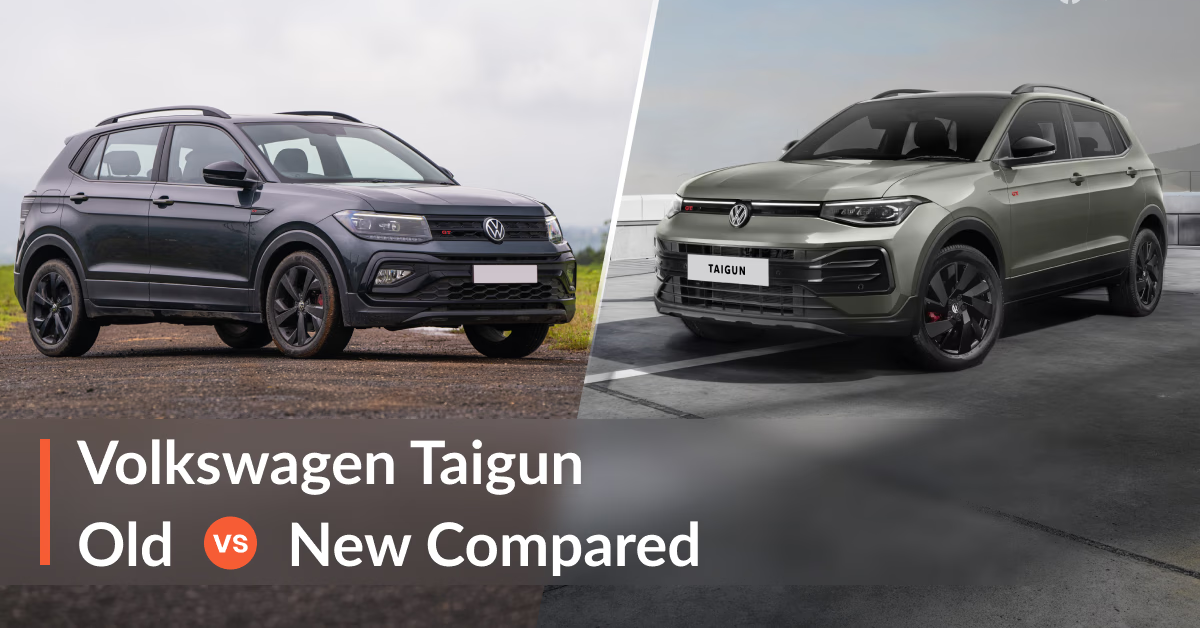
The compact SUV segment in India continues evolving rapidly as buyers now demand more than just practicality and performance. Today’s customers expect premium styling, advanced technology, connected features, luxurious interiors, and sophisticated driving dynamics — all packaged within a modern SUV. In this highly competitive market, the Volkswagen Taigun has already established itself as one of the strongest premium compact SUVs thanks to its refined turbo-petrol engines, German engineering, stable highway behavior, and strong safety reputation.
Now, with the arrival of the 2026 Volkswagen Taigun facelift, the SUV receives several significant updates aimed at making it more competitive against newer rivals. While the core strengths of the Taigun remain unchanged, the facelift introduces meaningful upgrades in design, technology, comfort, convenience, and overall premium appeal.
This naturally raises an important question among buyers:
How different is the new Taigun facelift compared to the older model?
Many existing Taigun owners are also wondering whether the facelift brings enough improvements to justify an upgrade.
In this detailed comparison, we explore every important difference between the old Volkswagen Taigun and the new 2026 facelift version, including:
- Exterior design changes
- Interior improvements
- Technology upgrades
- Feature additions
- Safety enhancements
- Engine and gearbox expectations
- Driving experience
- Variant strategy
- Premium appeal
Let’s examine how Volkswagen has evolved the Taigun to stay relevant in India’s increasingly premium SUV market.
Why The Volkswagen Taigun Became Popular
Before understanding the facelift upgrades, it is important to recognize why the Taigun became successful in the first place.
The original Taigun impressed buyers because of:
- Turbocharged petrol performance
- Strong build quality
- Excellent highway stability
- Refined driving dynamics
- Premium European styling
Unlike many rivals focusing heavily on flashy features, the Taigun built its reputation on solid engineering and driving confidence.
The facelift now aims to combine these strengths with additional premium technology and luxury features.
Exterior Design: Old Vs New
The facelifted Taigun receives noticeable styling revisions while maintaining its recognizable SUV identity.
Volkswagen has chosen an evolutionary design approach rather than a complete redesign.
Front Fascia Comparison
Old Taigun
The older Taigun featured:
- Clean grille design
- Conservative styling
- Sharp LED headlamps
- Balanced proportions
Its design focused more on sophistication than aggression.
New Taigun Facelift
The facelift introduces:
- Revised front grille
- Sharper LED lighting
- Sportier bumper design
- More aggressive styling elements
- Updated daytime running lamps
The SUV now looks:
- More modern
- More youthful
- More premium
This change is important because Indian buyers increasingly prefer SUVs with stronger visual presence.
Road Presence Has Improved
One major criticism of the old Taigun was that it looked slightly understated compared to rivals.
The facelift improves this through:
- More muscular design language
- Better detailing
- Sportier styling cues
- Enhanced premium appeal
The SUV now appears more commanding on the road.
Side Profile Changes
The overall silhouette remains similar because the Taigun already had balanced proportions.
However, the facelift may include:
- New alloy wheel designs
- Dark-themed styling
- Additional chrome or gloss-black detailing
These subtle changes improve the SUV’s premium character without altering its core identity.
Rear Design Updates
Old Model
The older Taigun’s rear styling was:
- Clean
- Minimalistic
- Elegant
While sophisticated, it lacked some visual excitement.
New Facelift
The facelift introduces:
- Updated LED tail lamps
- Sportier bumper styling
- New lighting signatures
- Revised rear detailing
The SUV now looks more contemporary and upscale.
Interior Comparison: Biggest Improvements Inside
The cabin is where the facelift is expected to show the most noticeable upgrades.
Old Taigun Interior
The earlier model offered:
- Excellent build quality
- Functional dashboard layout
- Practical cabin ergonomics
- Durable materials
However, some buyers felt the interior lacked:
- Premium visual excitement
- Advanced digital technology
- Luxury-oriented design elements
New Taigun Facelift Cabin
The facelift significantly improves the interior experience through:
- Larger infotainment system
- Updated dashboard styling
- Better upholstery options
- Ambient lighting
- Premium trim materials
- Enhanced digital integration
The cabin now feels more aligned with modern premium SUV expectations.
Infotainment System: Major Technology Upgrade
Technology has become one of the most important factors in SUV buying decisions.
Old Taigun Technology
The previous model already offered:
- Touchscreen infotainment
- Smartphone connectivity
- Digital driver display
- Basic connected features
However, competitors began offering larger and more advanced systems.
New Facelift Technology
The facelift is expected to introduce:
- Larger touchscreen display
- Faster interface
- Improved graphics
- Better smartphone integration
- Enhanced connected car technology
These upgrades significantly improve the user experience.
Connected Features Have Expanded
Modern SUV buyers increasingly expect smart connectivity.
The facelift may include:
- Remote vehicle access
- App-based controls
- Smart alerts
- Vehicle tracking
- AI-powered features
This helps Volkswagen compete more effectively against technology-focused rivals.
Panoramic Sunroof Could Be A Major Addition
One of the biggest expected upgrades is the addition of a panoramic sunroof.
The old Taigun lacked this highly demanded feature.
In India, panoramic sunroofs have become extremely popular because buyers associate them with:
- Luxury
- Premium ownership
- Better cabin ambience
- Family comfort
Its inclusion could significantly improve the Taigun’s showroom appeal.
Seat Comfort And Cabin Experience
Old Model
The earlier Taigun already offered:
- Comfortable seating
- Strong support
- Practical space utilization
Its seats were especially appreciated during highway travel.
New Facelift
The updated version may improve comfort further through:
- Better upholstery
- Ventilated seats
- Enhanced cushioning
- Premium interior finishes
These additions improve long-distance comfort and luxury feel.
Safety Comparison: Stronger Technology Focus
Safety remains one of Volkswagen’s biggest strengths.
Old Taigun Safety
The earlier model offered:
- Multiple airbags
- Electronic stability control
- Strong structural integrity
- Excellent highway confidence
It already enjoyed a strong safety reputation.
New Facelift Safety
The facelift is expected to add:
- More advanced driver assistance systems
- Improved camera systems
- Enhanced parking assistance
- Additional active safety technologies
ADAS features may include:
- Lane assist
- Collision alerts
- Adaptive safety systems
This helps the Taigun align with evolving premium SUV expectations.
Engine Options: Familiar But Refined
Volkswagen is expected to retain the existing turbo-petrol engine lineup.
Old Engine Setup
The earlier Taigun offered:
- 1.0-litre turbo petrol
- 1.5-litre turbo petrol
Both engines became popular for:
- Strong acceleration
- Refined highway cruising
- Excellent stability
Facelift Powertrain Expectations
The facelift may continue using these engines but with:
- Improved refinement
- Better efficiency tuning
- Updated automatic transmission options
The goal appears focused on enhancing overall smoothness rather than dramatically increasing performance.
Driving Dynamics Remain A Major Strength
The Taigun has always excelled in driving feel.
Both old and new versions offer:
- Excellent steering feedback
- High-speed stability
- Strong body control
- Confident highway behavior
Volkswagen’s German engineering continues differentiating the SUV from many rivals.
Ride Quality Improvements
The facelift may improve ride comfort through:
- Revised suspension tuning
- Better cabin insulation
- Enhanced NVH management
These refinements could make urban driving even smoother.
Variant Strategy Has Expanded
The facelift introduces a broader variant lineup including:
- Comfortline
- Highline
- GT Line
- GT Plus
- GT Plus Sport
This expanded strategy allows Volkswagen to target:
- Budget-conscious buyers
- Urban professionals
- Enthusiast drivers
- Premium SUV customers
The old lineup was comparatively simpler.
Premium Appeal Has Increased Significantly
One of the biggest changes is the overall perception shift.
Old Taigun
The earlier model felt:
- Functional
- Driver-focused
- Engineering-oriented
New Taigun Facelift
The facelift feels:
- More luxurious
- More technology-focused
- More visually premium
- More feature-rich
This broader appeal may help attract a larger customer base.
Competition Has Forced Volkswagen To Evolve
The compact SUV segment now includes rivals offering:
- ADAS systems
- Panoramic sunroofs
- Hybrid powertrains
- AI-connected technology
- Premium cabin experiences
The facelift helps Volkswagen remain competitive in this rapidly evolving segment.
Who Should Upgrade To The New Facelift?
The facelift may be worth considering for buyers wanting:
- More premium interiors
- Better technology
- Panoramic sunroof
- Connected features
- Improved visual appeal
However, owners satisfied with the old model’s driving dynamics and engineering quality may still find their SUVs highly relevant.
Is The New Taigun Better Than The Old One?
In overall terms, yes.
The facelift successfully builds upon the original Taigun’s strongest qualities while addressing earlier weaknesses related to:
- Feature packaging
- Cabin excitement
- Premium visual appeal
- Connected technology
The result is a more balanced and modern premium SUV.
Final Verdict
The 2026 Volkswagen Taigun facelift represents a thoughtful and well-executed evolution of Volkswagen’s premium compact SUV. Rather than changing the SUV’s core identity, Volkswagen has focused on improving the areas modern buyers increasingly prioritize — technology, premium features, connected experiences, visual appeal, and luxury comfort.
Compared to the older model, the facelift feels significantly more contemporary, feature-rich, and premium while still retaining the driving dynamics, turbocharged performance, solid build quality, and highway confidence that originally made the Taigun popular.
For new buyers entering the compact SUV market, the facelifted Taigun appears far more competitive and desirable than before. Meanwhile, existing Taigun owners can appreciate how Volkswagen has modernized the SUV without compromising its core German engineering strengths.
With these updates, the 2026 Taigun facelift positions itself as one of the most complete premium compact SUVs currently available in the Indian market.