
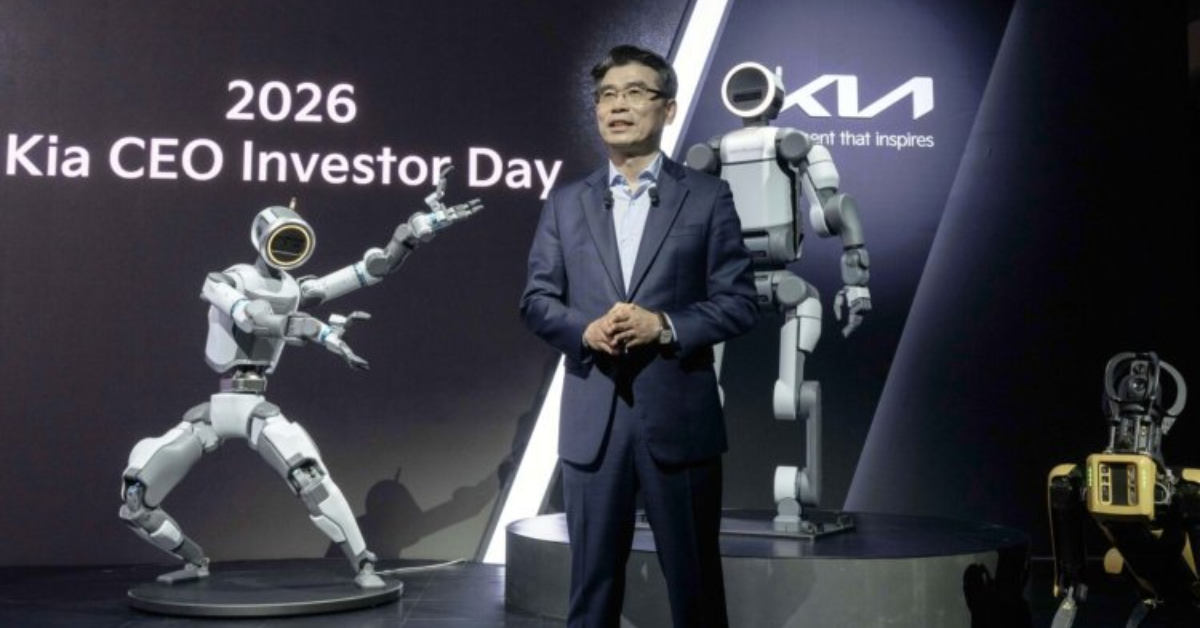
The global automotive industry is undergoing a massive transformation, and automakers are racing to secure their position in the electric future. One company making bold moves is Kia, which has unveiled an ambitious roadmap aiming for 4.13 million annual sales and 14 electric vehicles (EVs) by 2030.
This strategy is not just about numbers—it reflects a deeper commitment to sustainability, innovation, and global market expansion. Kia is positioning itself as a key player in the next generation of mobility, where electrification, technology, and customer experience take center stage.
Let’s take a deep dive into Kia’s vision, its EV strategy, and what it means for the future of the automobile industry.
Kia’s 2030 Vision: A Bold Growth Strategy
Kia’s target of 4.13 million annual sales by 2030 represents a significant leap from its current global performance.
Key Goals:
- Achieve 4.13 million global vehicle sales
- Launch 14 electric vehicles
- Strengthen presence in global markets
- Focus on sustainable mobility solutions
This roadmap clearly shows that Kia is not just aiming to grow—it is aiming to lead.
Why Electric Vehicles Are Central to Kia’s Plan
Electric vehicles are at the heart of Kia’s future strategy.
Reasons Behind This Shift:
- Rising environmental concerns
- Government regulations on emissions
- Increasing fuel prices
- Growing consumer demand for EVs
Kia understands that the future of mobility is electric, and it is investing heavily to stay ahead of the curve.
14 EVs by 2030: What to Expect
Kia plans to launch 14 electric vehicles across multiple segments, catering to a wide range of customers.
Expected EV Categories:
- Affordable entry-level EVs
- Mid-range family SUVs
- Premium electric vehicles
- Performance-oriented EV models
This diverse lineup ensures that Kia can attract buyers from different income groups and preferences.
Focus on Dedicated EV Platforms
One of the biggest strengths of Kia’s EV strategy is its use of dedicated electric platforms.
Benefits of Dedicated Platforms:
- Better battery efficiency
- Improved driving range
- Enhanced safety
- More interior space
These platforms are designed specifically for EVs, unlike traditional cars adapted for electric power.
Global Market Expansion Plans
Kia is not limiting its growth to a single region. Instead, it is targeting multiple global markets.
Key Focus Areas:
- North America
- Europe
- Asia-Pacific region
- Emerging markets like India
India, in particular, is expected to play a crucial role due to its growing demand for SUVs and EVs.
India’s Role in Kia’s Growth Story
India has become one of the most important markets for Kia.
Why India Matters:
- Rapidly growing automobile market
- Increasing demand for SUVs
- Rising interest in electric vehicles
Models like the Seltos and Sonet have already established Kia as a strong brand in India, and future EV launches could further strengthen its position.
Hybrid and Sustainable Technologies
While EVs are the main focus, Kia is also investing in hybrid and alternative fuel technologies.
Key Initiatives:
- Hybrid powertrains
- Improved fuel efficiency
- Reduced carbon emissions
This balanced approach ensures that Kia can cater to markets where EV infrastructure is still developing.
Advanced Technology and Innovation
Kia’s future vehicles will not just be electric—they will also be smarter.
Technology Focus Areas:
- Advanced infotainment systems
- Connected car technology
- Autonomous driving features
- Over-the-air updates
These innovations aim to enhance the overall driving and ownership experience.
Production and Infrastructure Expansion
To meet its ambitious targets, Kia is also expanding its manufacturing capabilities.
Key Developments:
- New production facilities
- Increased EV manufacturing capacity
- Investment in battery technology
This ensures that Kia can scale production efficiently as demand grows.
Challenges Kia Might Face
While the vision is impressive, achieving it will not be easy.
Potential Challenges:
- High cost of EV production
- Limited charging infrastructure in some regions
- Intense competition from global brands
- Supply chain issues
However, Kia’s strategic planning and investments position it well to overcome these challenges.
Competition in the EV Space
Kia will face strong competition from both traditional automakers and new EV-focused companies.
Key Competitors:
- Tesla
- Hyundai
- Tata Motors
- MG Motor
To stay ahead, Kia will need to continuously innovate and offer competitive pricing.
What This Means for Buyers
Kia’s strategy is good news for consumers.
Benefits for Customers:
- More EV options across price ranges
- Better technology and features
- Improved fuel efficiency
- Sustainable mobility choices
Buyers can expect more advanced, efficient, and stylish vehicles in the coming years.
Impact on the Automotive Industry
Kia’s ambitious plan reflects a larger trend in the industry.
Industry Impacts:
- Faster adoption of electric vehicles
- Increased competition
- Technological advancements
- Shift toward sustainable mobility
This will ultimately benefit consumers and the environment.
Future Outlook
Looking ahead, Kia’s success will depend on how effectively it executes its strategy.
If it manages to:
- Deliver high-quality EVs
- Maintain competitive pricing
- Expand infrastructure support
Then achieving its 2030 targets is well within reach.
Final Verdict
Kia’s plan to achieve 4.13 million sales and launch 14 EVs by 2030 is a bold and forward-thinking strategy. It highlights the company’s commitment to innovation, sustainability, and global growth.
By focusing on electric mobility, advanced technology, and market expansion, Kia is setting itself up as a major player in the future of the automotive industry.
Conclusion
The journey toward 2030 is going to be transformative for Kia. With its ambitious targets and strong focus on electrification, the company is not just adapting to change—it is leading it.
For consumers, this means more choices, better technology, and a cleaner future. And for the industry, it signals an exciting era of innovation and competition.