
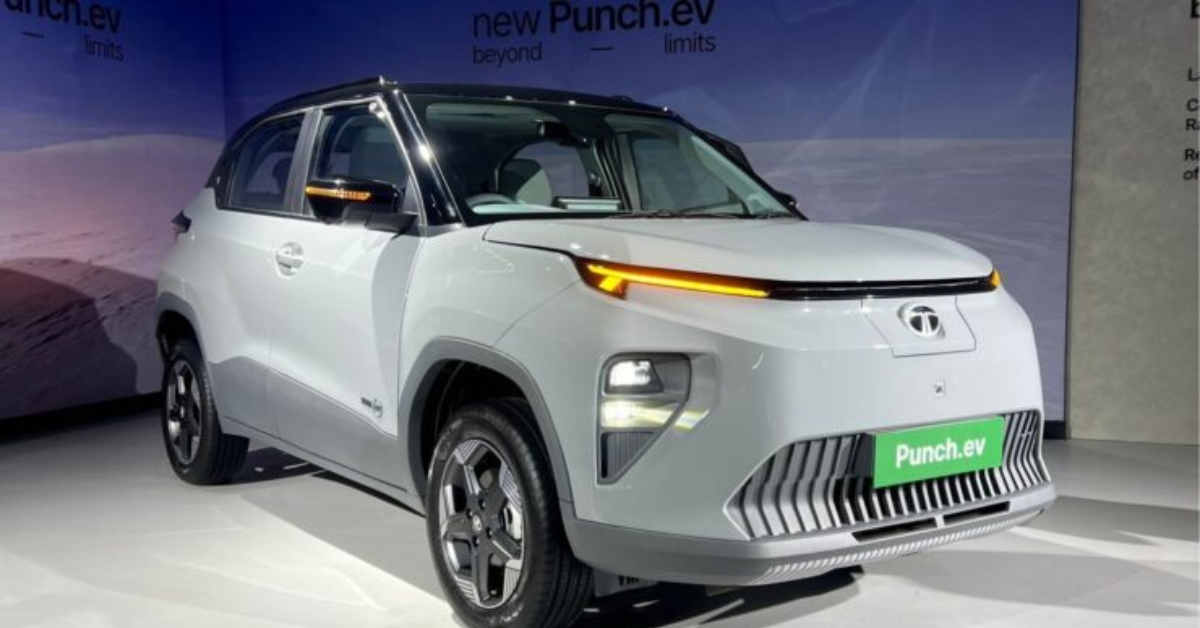
In a major push toward sustainable mobility, the Government of Delhi has introduced the updated Delhi EV Policy 2026, offering incentives of up to ₹1 lakh for individuals who replace their old vehicles with electric cars.
This policy aims to reduce pollution, encourage EV adoption, and make electric vehicles more affordable for the common public.
🌍 Why Delhi EV Policy 2026 Matters
Delhi has been facing severe air pollution challenges, making it essential to shift toward cleaner transportation.
Key Objectives:
- Reduce vehicular emissions
- Promote electric mobility
- Phase out old petrol and diesel vehicles
- Improve air quality
The new policy is a significant step toward achieving these goals.
💰 ₹1 Lakh Incentive: What You Get
One of the biggest highlights of the policy is the financial incentive offered to buyers.
Key Benefits:
- Up to ₹1 lakh subsidy for switching to EVs
- Additional scrappage benefits for old vehicles
- Road tax and registration fee exemptions
- Lower total cost of ownership
These incentives make EVs more affordable and attractive.
🔄 Vehicle Scrappage Benefit
The policy strongly encourages the replacement of old vehicles.
How It Works:
- Owners scrap old petrol/diesel cars
- Receive additional financial incentives
- Get benefits while purchasing a new EV
This not only promotes EV adoption but also helps reduce pollution from older vehicles.
⚡ Support for Electric Cars
The policy focuses heavily on promoting electric cars in Delhi.
Benefits for EV Buyers:
- Direct purchase subsidy
- Reduced upfront cost
- Lower running expenses
- Access to government incentives
This makes EV ownership more practical for a wider audience.
🔋 Charging Infrastructure Expansion
A strong charging network is essential for EV growth, and the policy addresses this.
Key Initiatives:
- Installation of public charging stations
- Incentives for private charging setups
- Fast-charging infrastructure development
This reduces range anxiety and improves convenience for EV users.
🚘 Impact on Automobile Industry
The Delhi EV Policy 2026 is expected to influence the entire automotive sector.
Key Impacts:
- Increased EV sales
- More EV launches by automakers
- Growth in EV ecosystem
- Boost to local manufacturing
Automakers are likely to introduce more electric models to meet rising demand.
🆚 EV vs Petrol/Diesel: Cost Comparison
The policy makes EVs more competitive compared to traditional vehicles.
EV Advantages:
- Lower fuel cost
- Reduced maintenance
- Government incentives
Petrol/Diesel Challenges:
- Rising fuel prices
- Higher emissions
- Increasing restrictions on older vehicles
This shift is encouraging more buyers to consider EVs.
👥 Who Can Benefit From This Policy?
The Delhi EV Policy 2026 is designed for a wide range of users:
✅ Car Owners
Looking to replace old vehicles
✅ First-Time Buyers
Planning to purchase an EV
✅ Urban Commuters
Seeking cost-effective mobility
✅ Environment-Conscious Individuals
Wanting to reduce carbon footprint
📊 Economic & Environmental Impact
The policy is expected to have both economic and environmental benefits.
Environmental Benefits:
- Reduced air pollution
- Lower carbon emissions
- Cleaner urban environment
Economic Benefits:
- Growth in EV sector
- Job creation
- Increased investment
🔥 Challenges in Implementation
While the policy is promising, there are some challenges:
- Need for widespread charging infrastructure
- High initial cost of EVs (even after subsidy)
- Awareness among consumers
- Availability of EV models
Addressing these challenges will be key to success.
🚀 Future of EVs in Delhi
The Delhi EV Policy 2026 sets the foundation for a strong EV ecosystem.
Future Expectations:
- Higher EV adoption rates
- Expansion of charging network
- More affordable EV models
- Increased government support
Delhi could become a model city for electric mobility in India.
🏁 Final Verdict
The Delhi EV Policy 2026 is a game-changing initiative that makes electric vehicles more accessible and affordable.
What Works:
✔ Attractive ₹1 lakh incentive
✔ Strong focus on sustainability
✔ Support for EV infrastructure
Challenges:
✖ Infrastructure development
✖ Awareness and adoption
🔥 Conclusion
With incentives of up to ₹1 lakh, the Government of Delhi is taking a major step toward promoting electric mobility. The Delhi EV Policy 2026 not only benefits buyers financially but also contributes to a cleaner and greener future.
If you are planning to switch to an electric vehicle, this policy makes it the perfect time to make the move and enjoy long-term savings along with environmental benefits.