
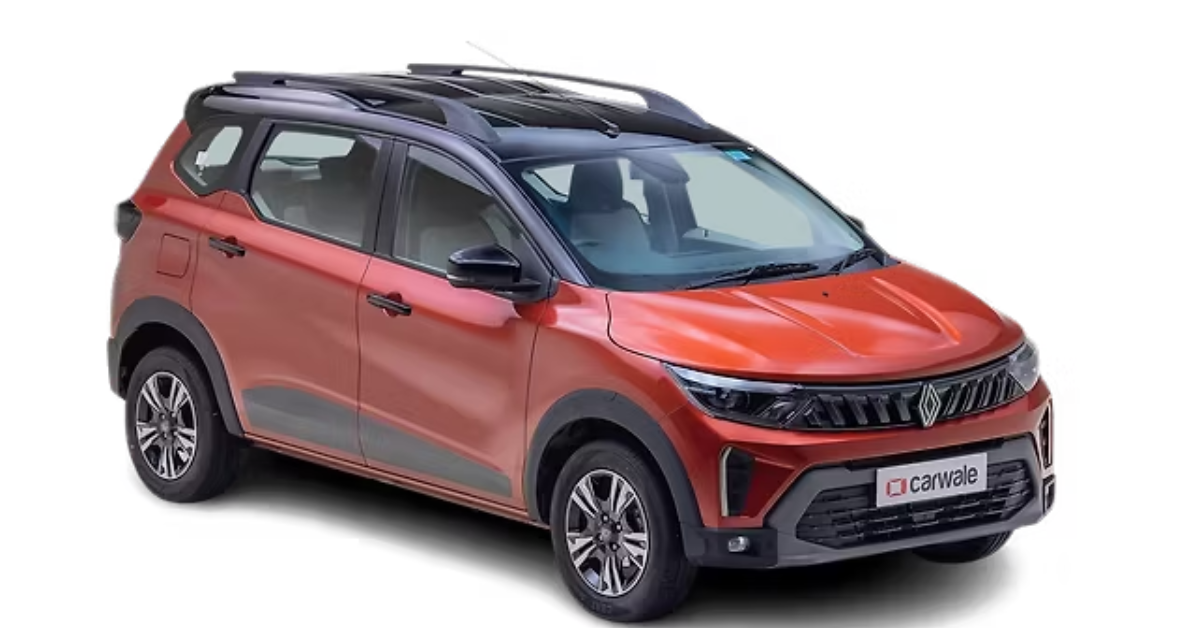
The Indian automobile market is one of the fastest-growing car markets in the world. As demand for affordable and feature-packed vehicles continues to rise, global manufacturers are strengthening their strategies to capture a larger share of the market. One company that is preparing for a major comeback in India is Renault.
The French automaker has announced an ambitious plan to introduce four new mass-market models in India by 2030. This move highlights Renault’s long-term commitment to the Indian automotive industry and its intention to compete aggressively in the budget and mid-range vehicle segments.
With new product launches, advanced technology, and a refreshed design approach, Renault aims to attract a wider range of customers in the coming years.
In this article, we explore Renault’s future plans for India, upcoming vehicles, market strategy, and what buyers can expect from these new models.
Renault’s Growing Focus on the Indian Market
India has become one of the most important automotive markets globally. Rising disposable incomes, urbanization, and growing demand for SUVs have made the country highly attractive for international automakers.
Renault already has a presence in India with popular models like the Renault Kwid, Renault Kiger, and Renault Triber.
These vehicles are known for their affordability and practicality, which has helped Renault build a strong customer base in the budget and compact vehicle segments.
However, the company now plans to expand its portfolio significantly with four new vehicles designed specifically for mass-market buyers.
Four New Renault Models Planned by 2030
Renault’s future product strategy in India focuses on introducing vehicles that combine modern design, advanced technology, and competitive pricing.
Although the company has not revealed complete details about all four vehicles yet, industry reports suggest that the lineup could include:
- Next-generation compact SUVs
- Updated hatchback models
- Family-friendly multi-purpose vehicles
- Electrified or hybrid models
These vehicles are expected to be built on Renault’s latest modular platforms, allowing the company to share technology and reduce production costs.
Focus on the High-Demand SUV Segment
One of the most important aspects of Renault’s upcoming strategy is its focus on SUVs.
SUVs have become the most popular vehicle type in India, with buyers preferring them for their high driving position, strong road presence, and practical interiors.
Renault is expected to introduce new compact and mid-size SUVs that could compete with popular models in the segment.
These new SUVs may feature:
- Bold exterior styling
- Larger infotainment systems
- Advanced safety technologies
- Improved engine performance
By targeting the SUV segment, Renault aims to attract young buyers and families who want stylish and practical vehicles.
New Platform and Modern Engineering
Renault’s upcoming vehicles will likely use a new-generation modular platform developed for emerging markets.
This platform will allow Renault to build multiple vehicle types using shared components, which helps reduce development costs and improve efficiency.
The benefits of this approach include:
- Lower production costs
- Faster product development
- Better fuel efficiency
- Improved safety standards
This strategy will also allow Renault to introduce new models faster and respond quickly to market trends.
Advanced Features and Technology
Modern car buyers expect their vehicles to offer advanced technology and digital features.
Renault’s upcoming models are expected to include several high-tech features that improve convenience and connectivity.
Possible features may include:
- Large touchscreen infotainment systems
- Wireless smartphone connectivity
- Digital instrument clusters
- Voice command systems
- Connected car technology
These technologies enhance the driving experience and make vehicles more appealing to younger customers.
Safety Improvements in Future Models
Safety is becoming increasingly important for Indian car buyers. With stricter safety regulations and higher customer awareness, manufacturers must ensure their vehicles meet modern safety standards.
Renault’s upcoming cars are expected to include several advanced safety features such as:
- Multiple airbags
- Electronic stability control
- Anti-lock braking system
- Hill start assist
- Rear parking sensors and cameras
Some higher variants may also include advanced driver-assistance systems, which are gradually becoming more common in modern vehicles.
Electrification and Hybrid Possibilities
Another major focus of Renault’s future strategy is electrification.
As governments around the world encourage the adoption of cleaner vehicles, automakers are investing heavily in electric and hybrid technologies.
Renault may introduce hybrid or electric versions of some upcoming models, especially as India continues to expand its electric vehicle infrastructure.
Electrified vehicles offer several advantages:
- Lower fuel costs
- Reduced emissions
- Quieter driving experience
- Improved efficiency
By exploring electrification, Renault can position itself as a forward-thinking brand in the evolving automotive landscape.
Competitive Pricing Strategy
One of Renault’s biggest strengths in India has always been its competitive pricing strategy.
Vehicles like the Kwid and Kiger gained popularity because they offered stylish design and useful features at affordable prices.
Renault is expected to continue this approach with its upcoming vehicles by offering premium features at competitive price points.
This strategy will allow the brand to compete with other manufacturers that dominate the mass-market segments.
Manufacturing and Localization Plans
Renault has already established strong manufacturing capabilities in India.
The company operates a production facility in partnership with Nissan Motor Company, where several models are produced for both domestic sales and exports.
Future models are likely to be manufactured locally, which offers several advantages:
- Lower production costs
- Competitive pricing
- Faster supply chain management
- Increased employment opportunities
Localization also allows Renault to adapt vehicles to Indian driving conditions and customer preferences.
Challenges in the Indian Market
While Renault’s expansion strategy is promising, the company will face strong competition from established brands.
The Indian automobile market is highly competitive, with manufacturers constantly launching new models and upgrading existing ones.
To succeed, Renault must ensure that its upcoming vehicles offer strong value, reliability, and modern features.
Customer service and dealership networks will also play an important role in building long-term brand trust.
Future Outlook for Renault in India
Renault’s plan to introduce four new vehicles by 2030 reflects its confidence in the Indian automotive market.
With the right combination of affordability, technology, and stylish design, the company has the potential to strengthen its position in the mass-market segment.
These upcoming vehicles could attract a new generation of buyers who are looking for modern cars with advanced features at reasonable prices.
If Renault executes its strategy effectively, it could significantly increase its market share and compete more strongly with other automakers.
Final Verdict
The decision by Renault to launch four new mass-market models in India by 2030 signals an exciting new phase for the brand.
With a focus on SUVs, modern technology, electrification, and competitive pricing, Renault aims to capture a larger share of one of the world’s most dynamic automotive markets.
If these upcoming vehicles deliver strong design, advanced features, and reliable performance, they could help Renault attract a wider customer base and strengthen its long-term presence in India’s rapidly evolving car industry.