
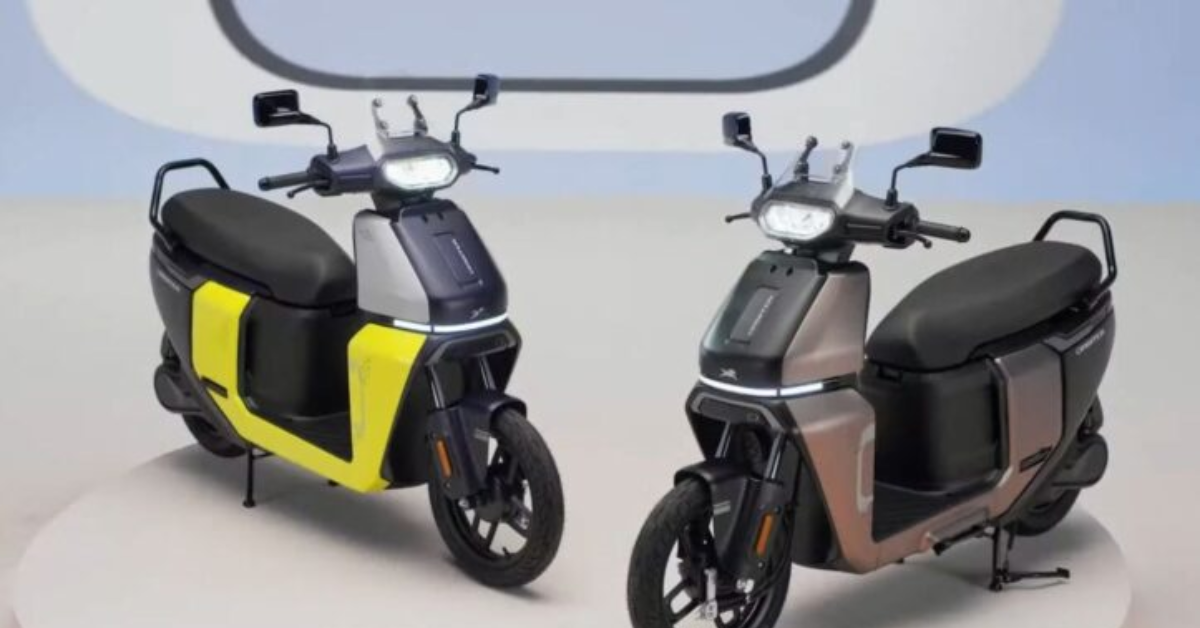
India’s electric two-wheeler revolution is entering a decisive phase, and established automotive giants are leading the charge. TVS Motor Company, Bajaj Auto, and Hero MotoCorp have collectively secured more than 60% of the electric scooter market share, signaling a strong consolidation of power in the rapidly growing EV segment.
While startups initially drove the electric mobility narrative, traditional manufacturers have leveraged brand trust, dealer networks, and large-scale manufacturing capabilities to establish dominance. The result is a strategic shift in India’s high-growth electric vehicle (EV) ecosystem.
Let’s analyze how these three industry leaders tightened their grip and what it means for the future of the Indian e-scooter market.
India’s E-Scooter Market: A High-Growth Opportunity
The electric scooter segment is one of the fastest-growing automotive categories in India. Rising fuel prices, government incentives, urban pollution concerns, and technological advancements have accelerated EV adoption.
Key market drivers include:
✔ Lower running costs
✔ Attractive government subsidies
✔ Expanding charging infrastructure
✔ Increasing urban commuting needs
✔ Growing environmental awareness
With urban consumers shifting toward cost-efficient mobility solutions, electric scooters are emerging as a practical alternative to petrol-powered two-wheelers.
TVS Motor Company: Strategic Expansion & Product Reliability
Among legacy players, TVS has positioned itself as a technology-forward brand in the EV space.
Its flagship electric scooter, the TVS iQube, has gained significant traction across urban markets.
Why TVS Is Winning:
- Strong dealership presence nationwide
- Multiple battery variants
- Reliable build quality
- Competitive pricing strategy
- Robust after-sales support
TVS has also expanded production capacity to meet growing demand, ensuring consistent supply amid increasing bookings.
Bajaj Auto: Premium Electric Repositioning
Bajaj re-entered the scooter market with a premium electric approach through the Bajaj Chetak.
Reviving the iconic Chetak nameplate, Bajaj blended nostalgia with modern electric engineering.
Bajaj’s Competitive Strengths:
✔ Strong brand recall
✔ Premium metal body design
✔ High-quality finish
✔ Smart connected features
✔ Urban-focused positioning
Bajaj’s focus on premium electric mobility has helped it attract customers seeking durability and design excellence.
Hero MotoCorp: Leveraging Scale & Brand Power
India’s largest two-wheeler manufacturer, Hero MotoCorp, has accelerated its EV strategy through dedicated electric offerings and platform investments.
The company’s EV push includes the Vida V1, which targets urban riders looking for performance and smart connectivity.
Hero’s Advantages:
- Extensive rural and urban dealer network
- Strong financing partnerships
- Aggressive marketing strategy
- Battery swapping innovation
- Competitive introductory pricing
Hero’s scale allows it to offer competitive pricing while maintaining profitability.
Why Legacy Brands Are Winning Over Startups
Initially, startups dominated EV headlines. However, traditional manufacturers have leveraged structural advantages:
1️⃣ Dealer & Service Network
Legacy brands have nationwide reach, reducing customer anxiety around maintenance and support.
2️⃣ Manufacturing Efficiency
Large-scale production lowers per-unit costs and ensures consistent supply.
3️⃣ Financial Stability
Established balance sheets enable aggressive investment in R&D and infrastructure.
4️⃣ Brand Trust
Indian consumers prioritize reliability, especially in new technology segments.
These factors collectively strengthen the grip of TVS, Bajaj, and Hero.
Market Share Breakdown & Industry Impact
Securing over 60% of the e-scooter market significantly alters the competitive landscape.
Implications include:
📈 Increased investor confidence in legacy players
🏭 Higher production volumes
💰 Improved economies of scale
🚀 Accelerated EV adoption
📊 Greater competitive pressure on startups
As the market matures, consolidation appears inevitable.
Technology & Innovation Driving Growth
All three companies are investing heavily in:
- Lithium-ion battery advancements
- Extended riding range
- Smart connectivity apps
- Fast-charging capability
- Improved battery warranty programs
Technology remains the core differentiator in the electric mobility race.
Government Incentives & Policy Support
The EV boom is further supported by government initiatives promoting electric mobility adoption.
Subsidies under various state and central programs reduce effective purchase prices, encouraging mass adoption.
Legacy brands, with their compliance capabilities and production scale, are better positioned to benefit from such policies.
Consumer Economics: Why E-Scooters Make Financial Sense
Electric scooters offer:
✔ Lower running cost per kilometer
✔ Reduced maintenance expenses
✔ Zero fuel dependency
✔ Tax benefits in some states
✔ Environmental compliance
Over a 3–5 year ownership period, EV scooters often deliver substantial cost savings compared to petrol alternatives.
Competitive Landscape Ahead
Despite strong dominance, competition remains intense.
Emerging players and international entrants continue investing in:
- Higher battery density
- Swappable battery technology
- AI-enabled dashboards
- Subscription-based ownership models
However, the current market share indicates that established manufacturers hold a commanding advantage.
Future Outlook: Can the 60% Share Grow Further?
The combined dominance of TVS, Bajaj, and Hero may increase further due to:
✔ Expanding charging infrastructure
✔ Rural market penetration
✔ Improved battery affordability
✔ Increased EV awareness
✔ Higher petrol prices
If production continues scaling efficiently, these brands could push their collective share even higher.
Strengths of the Big Three
🚀 Manufacturing scale
🔧 Strong service ecosystem
💼 Financial backing
📱 Technological upgrades
🏪 Nationwide dealership presence
Potential Challenges
⚡ Battery cost volatility
🏭 Supply chain constraints
📊 Regulatory changes
🔋 Charging infrastructure gaps
Despite these challenges, established players are better equipped to navigate industry disruptions.
Final Verdict: Legacy Leadership in India’s EV Revolution
The electric scooter market in India is no longer a startup-driven experiment—it is becoming a structured, high-investment industry dominated by experienced manufacturers.
With over 60% market share, TVS, Bajaj, and Hero have demonstrated that legacy expertise, brand credibility, and operational scale remain powerful assets even in emerging technology segments.
As India accelerates toward electrified mobility, these three automotive giants are not just participating—they are leading the transformation.
For investors, consumers, and industry analysts alike, the message is clear: the EV revolution in India is now firmly in the hands of established market leaders.