
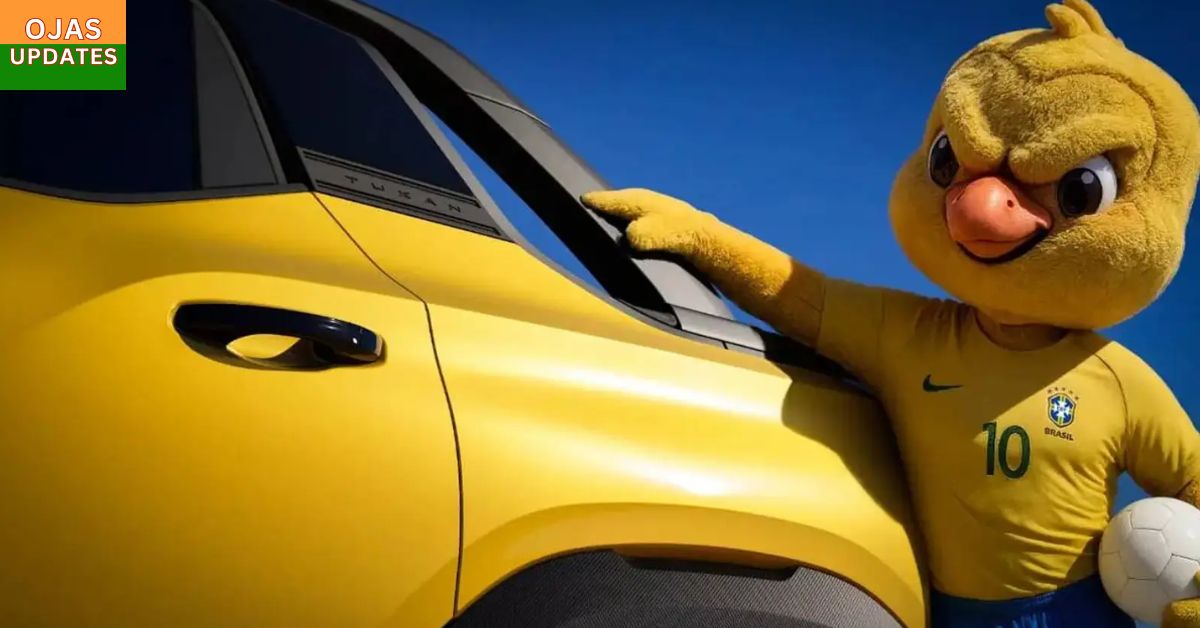
Volkswagen is set to launch the all-new Tukan pickup in 2027, a compact unibody truck designed to replace the Saveiro and compete in Latin America’s booming pickup segment. Built in Brazil with a $570 million investment, the Tukan blends practicality, electrification, and bold design, signaling VW’s renewed commitment to the region.
A Name That Stands Out
The Tukan pickup takes its name from the toucan, a bird known for its vibrant colors and distinctive beak. Volkswagen is leaning into this imagery, with the launch model arriving in Canary Yellow, a bold statement that reflects both the vehicle’s personality and VW’s marketing strategy. The name is more than branding—it’s a nod to Latin American culture and biodiversity, anchoring the truck in its regional identity.
Strategic Investment in Brazil
Volkswagen is investing 3 billion reais ($570 million) to produce the Tukan at its São José dos Pinhais plant in Paraná state. This move is part of a larger 20-billion-real investment plan for South America through 2028, underscoring the importance of the pickup market, which represents nearly 18% of vehicle sales in Brazil. By localizing production, VW ensures competitive pricing, job creation, and a stronger foothold in a market dominated by rivals like Fiat and Chevrolet.
Replacing the Saveiro
The Tukan is positioned as the successor to the Volkswagen Saveiro, a long-standing compact pickup popular in Brazil. Unlike the Saveiro, which was more utilitarian, the Tukan is being developed on an evolution of the MQB platform, offering modern engineering, improved safety, and a pathway toward electrification. This shift reflects VW’s broader strategy of phasing out older models in favor of vehicles that align with global sustainability goals.
Design and Features
While full specifications are yet to be revealed, early reports suggest the Tukan will emphasize:
- Compact unibody design: Easier handling in urban environments compared to body-on-frame pickups.
- Electrification-ready platform: Potential hybrid or fully electric variants in the future.
- Bold styling: Canary Yellow launch edition highlights VW’s focus on youthful, adventurous buyers.
- Interior upgrades: Expect digital cockpits, advanced infotainment, and driver-assistance systems.
This positions the Tukan as a lifestyle vehicle, appealing to younger consumers who want versatility without sacrificing modern tech.
Market Competition
The Tukan enters a crowded but lucrative segment. Its main rivals include:
| Model | Origin | Segment | Key Strengths |
|---|---|---|---|
| Fiat Toro | Brazil | Compact pickup | Strong brand loyalty, stylish design |
| Chevrolet Montana | Brazil | Compact pickup | Affordable pricing, wide dealer network |
| Renault Niagara (upcoming) | Brazil | Compact pickup | New entrant with electrification focus |
| VW Tukan (2027) | Brazil | Compact pickup | MQB platform, electrification-ready, bold branding |
Volkswagen’s challenge will be differentiating the Tukan through design, technology, and sustainability while keeping costs competitive.
Electrification and the Future
The Tukan is not just another pickup—it’s a bridge to Volkswagen’s electrified future in South America. By building it on a platform that supports hybrid and electric drivetrains, VW is preparing for regulatory shifts and consumer demand for greener vehicles. While initial models may launch with traditional combustion engines, electrified versions are expected to follow, aligning with VW’s global push toward carbon neutrality.
Cultural and Economic Impact
The Tukan represents more than a new vehicle—it’s a cultural and economic statement.
- Cultural resonance: Naming the truck after a toucan ties it to Latin American identity.
- Economic boost: Local production strengthens Brazil’s auto industry and creates jobs.
- Consumer appeal: Compact pickups are increasingly popular among urban buyers who want utility without bulk.
Conclusion: A Bold Step Forward
The 2027 Volkswagen Tukan pickup is poised to redefine VW’s presence in Latin America. With its vibrant branding, modern platform, and electrification potential, it’s more than a replacement for the Saveiro—it’s a symbol of Volkswagen’s future strategy.
By investing heavily in Brazil and targeting a segment that accounts for nearly a fifth of vehicle sales, VW is betting big on the Tukan. Whether it bottles glory or soars like its namesake bird will depend on execution, but one thing is clear: the Tukan is a bold, colorful step into the next era of compact pickups.