
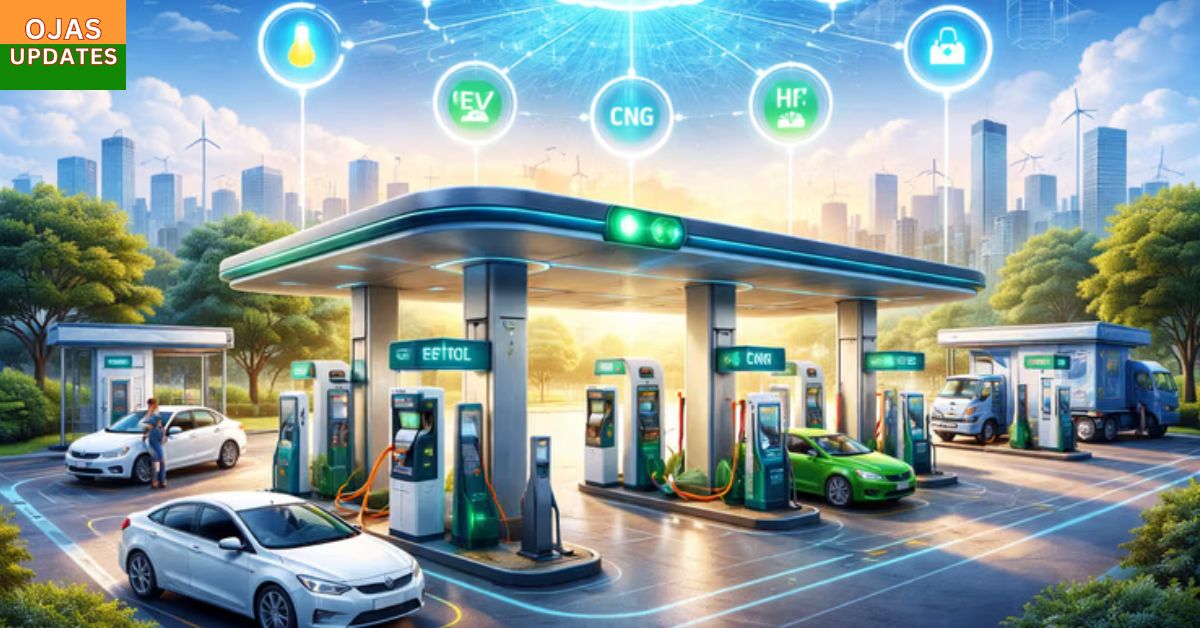
The fuel retail industry is undergoing a profound transformation. Traditionally, fuel stations were defined by physical infrastructure—pumps, tanks, and forecourts. But in today’s digital-first world, software-defined fuel retail is emerging as a revolutionary concept. By leveraging cloud computing, IoT, AI, and data analytics, fuel retailers are redefining how they operate, engage with customers, and integrate into the broader mobility ecosystem. This shift is not just about efficiency—it’s about creating smarter, more sustainable, and customer-centric experiences.
What is Software-Defined Fuel Retail?
At its core, software-defined fuel retail means that software becomes the primary driver of operations, customer engagement, and business innovation. Instead of relying solely on hardware and manual processes, retailers use digital platforms to manage:
- Fuel dispensing and monitoring through IoT-enabled sensors.
- Dynamic pricing based on real-time demand and supply.
- Customer engagement via mobile apps, loyalty programs, and personalized offers.
- Energy integration, including EV charging and alternative fuels.
This approach mirrors the evolution of industries like telecommunications and cloud computing, where software-defined systems replaced rigid hardware-based models.
Key Components of Software-Defined Fuel Retail
1. Cloud-Based Infrastructure
Fuel retailers are moving away from siloed legacy systems to cloud-native platforms. This enables:
- Centralized monitoring of multiple stations.
- Real-time updates on fuel levels, pricing, and equipment health.
- Scalability to add new services like EV charging or hydrogen refueling.
2. IoT and Smart Devices
Connected sensors and devices allow retailers to:
- Track fuel inventory with precision.
- Predict equipment failures before they occur.
- Automate maintenance schedules.
- Provide seamless, contactless fueling experiences.
3. Artificial Intelligence and Data Analytics
AI-driven insights help retailers:
- Forecast demand patterns.
- Optimize pricing strategies dynamically.
- Personalize promotions for individual customers.
- Enhance fraud detection and security.
4. Customer-Centric Digital Platforms
Mobile apps and digital wallets are becoming central to the fuel retail experience. Customers can:
- Locate nearby stations.
- Reserve EV charging slots.
- Pay digitally and earn loyalty rewards.
- Receive personalized offers based on driving habits.
Benefits of Software-Defined Fuel Retail
🚀 Operational Efficiency
Automated monitoring reduces downtime and ensures optimal fuel availability. Predictive analytics minimize losses and streamline logistics.
💡 Enhanced Customer Experience
Customers enjoy faster, more personalized services. From contactless payments to tailored loyalty rewards, the experience becomes seamless and engaging.
🌍 Sustainability and Energy Transition
Software-defined systems make it easier to integrate EV charging, hydrogen, and biofuels into existing infrastructure. Retailers can manage multiple energy streams from a single platform, supporting the global shift toward cleaner mobility.
📊 Business Agility
Retailers can quickly adapt to market changes—whether it’s fluctuating fuel prices, new government regulations, or evolving consumer preferences.
Challenges in Implementation
While promising, software-defined fuel retail faces hurdles:
- High initial investment in digital infrastructure.
- Cybersecurity risks due to increased connectivity.
- Skill gaps among staff who must adapt to new technologies.
- Integration complexity with legacy systems.
Retailers must balance innovation with risk management, ensuring that digital transformation enhances rather than disrupts operations.
The Road Ahead
The future of fuel retail lies in convergence. Stations will no longer be just places to refuel—they will evolve into mobility hubs offering:
- EV charging and battery swapping.
- Hydrogen and alternative fuels.
- Convenience retail and quick-service restaurants.
- Digital services like vehicle diagnostics and subscription-based mobility packages.
Software-defined platforms will orchestrate this ecosystem, ensuring seamless integration across services.
Conclusion
Software-defined fuel retail is not a distant vision—it’s already taking shape across the globe. By embracing cloud platforms, IoT, AI, and customer-centric digital tools, fuel retailers can transform their operations into agile, sustainable, and future-ready businesses.
As the world transitions toward cleaner energy and smarter mobility, software-defined fuel retail will be the backbone of this evolution. It represents a paradigm shift from pumps and pipes to platforms and pixels, redefining how we think about energy, convenience, and customer engagement.