
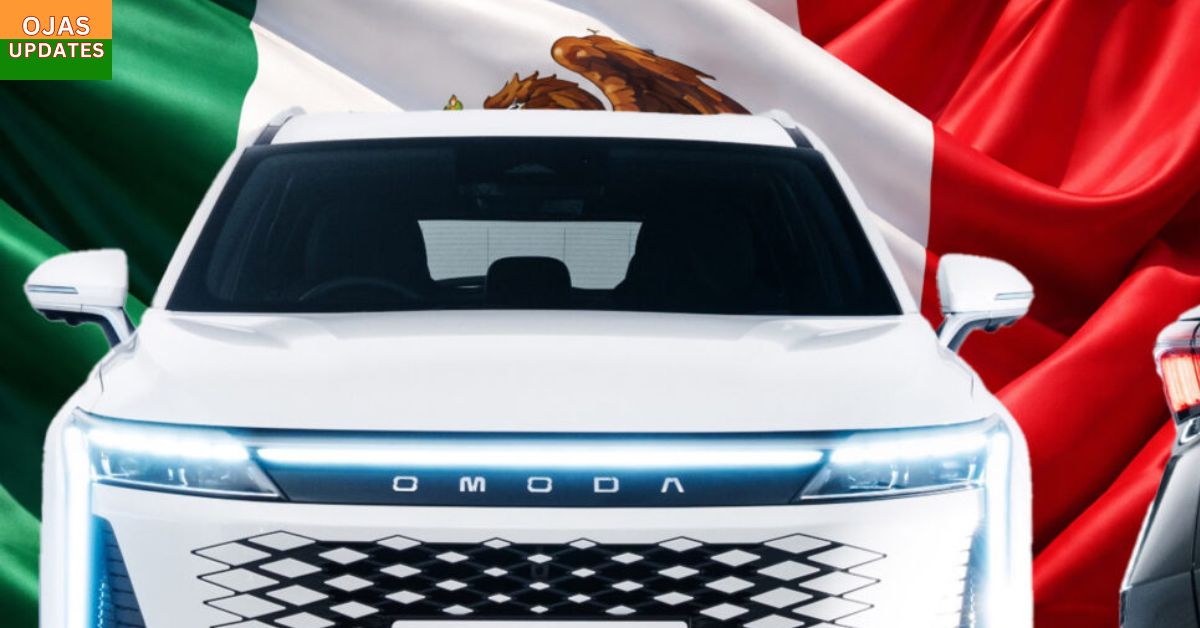
Mexico has kicked off 2026 with a bold and controversial economic move: raising import tariffs on passenger vehicles from 20% to 50% for countries without free trade agreements (FTAs). This decision, approved by the Mexican Senate in December 2025, is already sending shockwaves through the global automotive industry.
🇲🇽 Why Mexico Raised Tariffs
Mexico’s government argues that the tariff hike is necessary to:
- Protect domestic jobs: Officials estimate that around 350,000 industrial jobs could be safeguarded by reducing reliance on foreign imports.
- Strengthen local manufacturing: By making imported cars more expensive, Mexico hopes to encourage investment in domestic production facilities.
- Prepare for USMCA review: The United States-Mexico-Canada Agreement (USMCA) will undergo its first joint review in July 2026, focusing on regional value content requirements. Mexico wants to demonstrate commitment to regional production.
🌏 Who Gets Hit the Hardest
The new tariffs primarily affect countries without FTAs with Mexico, including India, China, South Korea, and several Southeast Asian nations.
- India: Nearly three-quarters of India’s $5.75 billion exports to Mexico in FY 2025 are impacted, covering automobiles, auto components, electronics, metals, and chemicals.
- China: Chinese automakers, already expanding aggressively into Latin America, face steep barriers that could derail growth plans.
- Other exporters: Countries like South Korea and Thailand, which rely on Mexico as a gateway to North America, will also feel the pinch.
🚗 Impact on Consumers and Industry
For Mexican consumers, the immediate effect will be higher car prices for imported models. This could shift demand toward:
- North American brands: Vehicles produced in the US, Canada, or Mexico under USMCA rules will remain tariff-free.
- Domestic assembly plants: Global automakers may accelerate plans to build or expand factories in Mexico to bypass tariffs.
For the industry, the tariffs create both risks and opportunities:
- Risks: Exporters from India and China could lose billions in sales. Supply chains may need to be restructured.
- Opportunities: Mexico could attract new investment as companies seek to localize production.
⚖️ Comparison: Winners vs. Losers
| Group | Impact of Tariffs |
|---|---|
| Mexican workers | Potential job protection and new factory investments |
| North American automakers | Competitive advantage under USMCA rules |
| Indian exporters | Severe losses; ~75% of exports affected |
| Chinese automakers | Growth in Mexico slowed; forced to rethink strategy |
| Mexican consumers | Higher prices, fewer choices in imported cars |
🌍 Global Trade Implications
Mexico’s move highlights a broader trend of protectionism in global trade. As countries grapple with economic uncertainty, governments are increasingly prioritizing domestic industries over open markets.
- India-Mexico relations: The tariffs could strain ties, as India has been one of Mexico’s fastest-growing trade partners.
- China’s Latin America strategy: China may redirect focus to other markets like Brazil or Argentina.
- USMCA dynamics: Mexico’s decision aligns with North American priorities, potentially strengthening its position in upcoming negotiations.
🔮 What’s Next?
The coming months will reveal whether Mexico’s gamble pays off. Key questions include:
- Will automakers invest more heavily in Mexican production?
- Can consumers absorb higher prices without dampening demand?
- How will India and China respond—retaliatory tariffs, new trade deals, or shifting focus elsewhere?
✨ Final Thoughts
Mexico’s steep car tariffs mark a turning point in its trade policy. By prioritizing domestic manufacturing and aligning with USMCA goals, the country is betting on long-term industrial growth. But the short-term pain—especially for exporters like India and China—will be significant.
For the global auto industry, 2026 begins with a reminder: trade policies can reshape markets overnight. Automakers, suppliers, and consumers alike must adapt quickly to this new reality.