
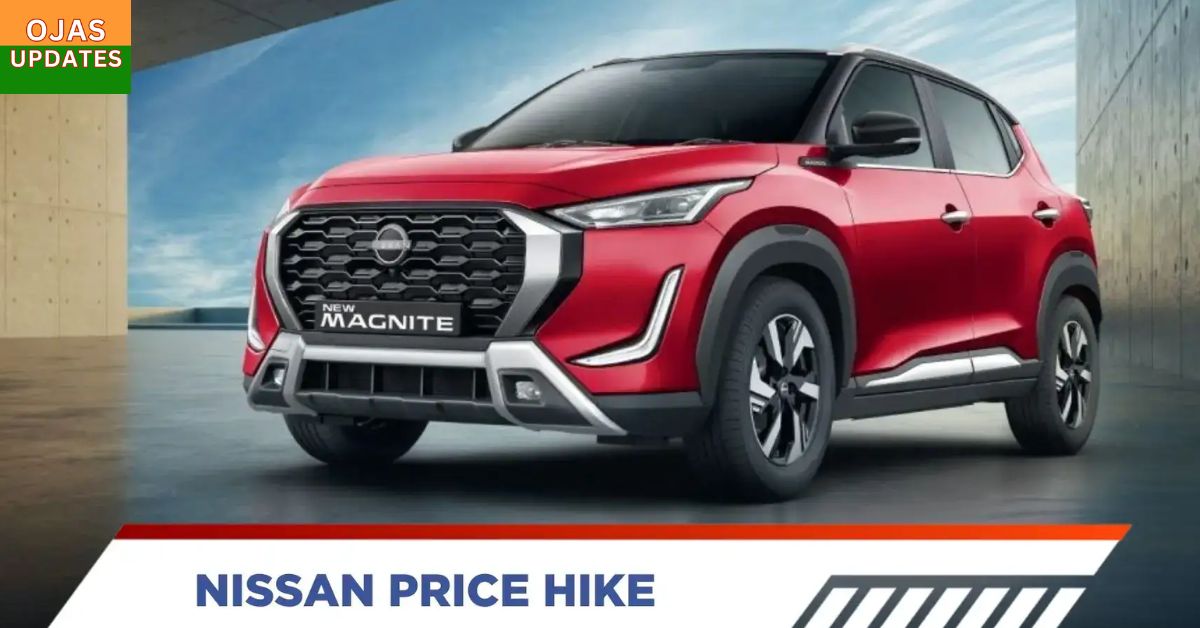
Price hikes in the automotive industry are nothing new, but when a major manufacturer like Nissan announces an increase, it sends ripples across the market. Nissan Motor India has confirmed that it will raise prices by up to 3% from January 1, 2026, impacting its popular Magnite SUV. This move comes at a time when the brand is preparing for a renewed push in India with new product launches, making the timing particularly significant.
Why the Price Hike?
Several factors are driving Nissan’s decision:
- Rising input costs: Raw materials and logistics expenses have surged, putting pressure on automakers.
- Currency depreciation: The Indian rupee has fallen sharply against the US dollar and euro in 2025, making imports more expensive.
- Annual revision cycle: Many automakers adjust prices at the start of a new year to balance costs.
By implementing this hike, Nissan joins a long list of manufacturers who have announced similar revisions, including Maruti Suzuki, Hyundai, Kia, and Tata Motors.
Impact on the Magnite
Currently, the Nissan Magnite is priced between Rs 5.61 lakh and Rs 10.90 lakh (ex‑showroom). After the hike:
- Entry‑level Magnite Visia MT: Expected to rise by Rs 15,000–17,000, reaching around Rs 5.78 lakh.
- Top‑spec Magnite Tekna+ Turbo CVT Dual Tone: Likely to increase by Rs 30,000–32,000, touching Rs 11.10 lakh.
This adjustment keeps the Magnite competitive but slightly narrows its affordability advantage compared to rivals like the Renault Kiger and Tata Punch.
Nissan’s Strategy for 2026
Interestingly, the price hike coincides with Nissan’s product‑led reset in India. The company plans to launch three all‑new models within 16 months, starting with a compact MPV in early 2026. This suggests that Nissan is positioning itself for growth, even as it adjusts pricing to reflect market realities.
The Magnite remains Nissan’s only offering in India today, but the upcoming launches could diversify its portfolio and strengthen its presence in key segments.
Market Context
The Indian auto industry has faced multiple challenges in 2025:
- High tariffs on exports have strained manufacturers.
- Foreign investor outflows have weakened the rupee.
- Rising fuel and insurance costs have added to consumer burdens.
In this environment, price hikes are almost inevitable. However, Nissan’s relatively modest increase of up to 3% is in line with industry norms, ensuring it doesn’t alienate buyers.
Risks and Trade‑offs for Buyers
For prospective Magnite buyers, the hike presents a dilemma:
- Buy now or wait? Purchasing before January 2026 could save Rs 15,000–32,000.
- Future models may offer more value: Nissan’s upcoming launches could provide better options, but at higher prices.
- Financing costs: With interest rates fluctuating, delaying purchase could also affect affordability.
Final Thoughts
The Nissan price hike in 2026 is a reflection of broader industry pressures rather than a brand‑specific issue. While the Magnite will become costlier, it remains one of the most affordable compact SUVs in India, offering strong value for money.
For buyers, the decision is clear: if you’ve been considering the Magnite, purchasing before January could save you a significant amount. For Nissan, the hike is part of a larger strategy to stabilize operations while gearing up for an ambitious product rollout.