
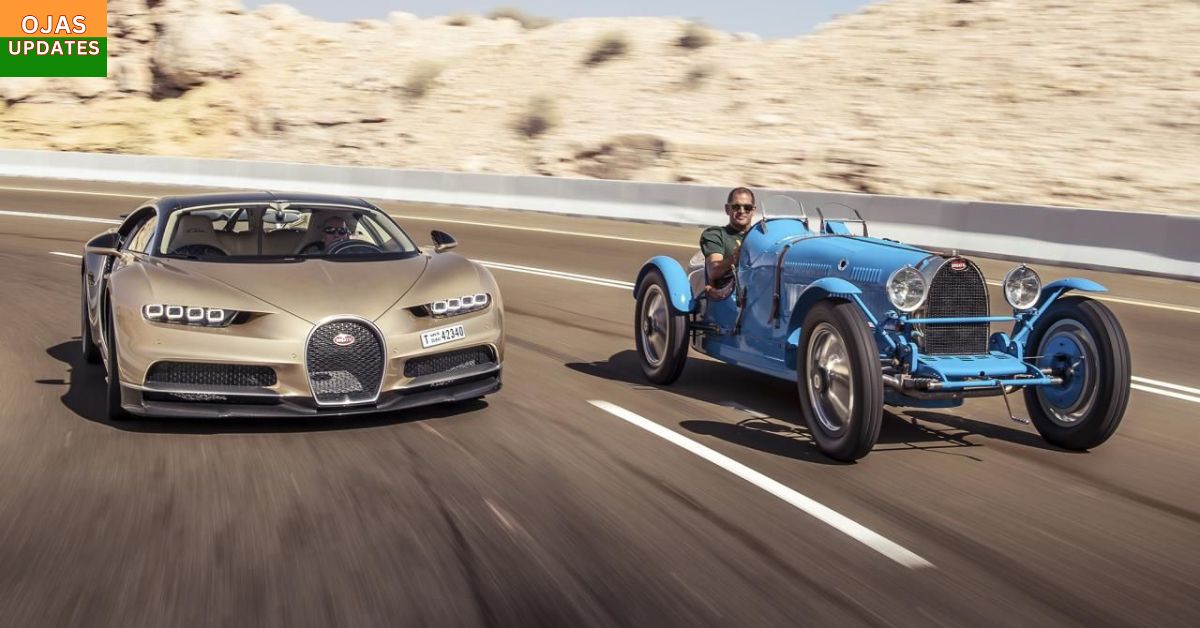
The Bugatti Type 35 is one of the most celebrated racing cars in automotive history, combining elegance, engineering brilliance, and unmatched success on the track. Produced between 1924 and 1930, it became the symbol of Ettore Bugatti’s vision and remains a timeless masterpiece that shaped motorsport forever.
🚗 Origins and Design
The Type 35 was introduced in 1924 at the Lyon Grand Prix, immediately captivating enthusiasts with its sleek proportions and technical innovations. Ettore Bugatti, known for his artistry in engineering, designed the car to be both beautiful and functional.
- Chassis: Lightweight steel ladder frame with an aluminum body.
- Dimensions: Wheelbase of 2,400 mm and curb weight between 650–750 kg, making it agile and responsive.
- Styling: The iconic horseshoe-shaped radiator and elegant lines gave it a distinctive look that still inspires modern Bugatti design.
Bugatti’s philosophy was clear: racing cars should be as aesthetically pleasing as they were mechanically advanced.
⚡ Engine and Performance
The Type 35 was powered by a straight-eight engine, ranging from 1.1 to 2.3 liters depending on the variant. It featured a single overhead camshaft and three valves per cylinder, producing between 60–130 horsepower.
- Transmission: 4-speed manual with reverse.
- Top Speed: Up to 190 km/h (118 mph), remarkable for its era.
- Innovation: Roller-bearing crankshaft and advanced carburetion ensured reliability during long races.
This combination of lightweight design and robust power made the Type 35 nearly unbeatable in competition.
🏆 Racing Dominance
The Bugatti Type 35 is often called the most successful racing car of all time. Between 1924 and 1930, it won over 1,000 races, including Grand Prix events and hill climbs.
- Key Victories: Dominated the Targa Florio in Sicily, winning five consecutive times from 1925 to 1929.
- Drivers: Legends like Louis Chiron and Achille Varzi piloted the Type 35 to glory.
- Legacy: Its success cemented Bugatti’s reputation as the premier racing marque of the 1920s.
Ettore Bugatti understood the marketing power of motorsport, using these victories to elevate his brand worldwide.
🛋️ Variants and Evolution
The Type 35 spawned several variants, each tailored for specific racing needs:
- Type 35A (“Tecla”): A more affordable version with simplified mechanics.
- Type 35B: Featured a larger 2.3L engine with supercharging.
- Type 35C: Introduced a Roots-type supercharger, boosting power to 128 hp.
- Type 35T: Built for endurance racing with a longer chassis.
- Type 39: A 1.5L version designed for Formula racing.
This continuous evolution reflected Bugatti’s relentless pursuit of perfection.
🌍 Cultural Impact
Beyond racing, the Type 35 became a cultural symbol of the roaring twenties. It embodied speed, glamour, and innovation, attracting wealthy enthusiasts and aristocrats who wanted a car that was both competitive and stylish.
- Exclusivity: Only around 340 units were built, making it rare and highly collectible today.
- Influence: Its design philosophy influenced later Bugatti models, including the modern Chiron and Bolide.
- Legacy: Museums and private collections worldwide showcase the Type 35 as a piece of automotive art.
💰 Value Today
Owning a Bugatti Type 35 today is a privilege reserved for collectors. Original examples can fetch millions at auctions, reflecting their historical importance and rarity.
- Auction Prices: Well-preserved models often exceed $2–3 million.
- Restorations: Specialist workshops maintain and restore surviving cars, keeping the legacy alive.
🚀 Final Thoughts
The Bugatti Type 35 is more than just a racing car—it is a symbol of innovation, artistry, and dominance. Ettore Bugatti’s masterpiece combined lightweight engineering, elegant design, and relentless performance to create a vehicle that defined an era.
Nearly a century later, the Type 35 remains a benchmark in motorsport history, reminding us that true greatness lies in the perfect harmony of form and function.